
Contract Manufacturing: How It Works & Why It’s Profitable
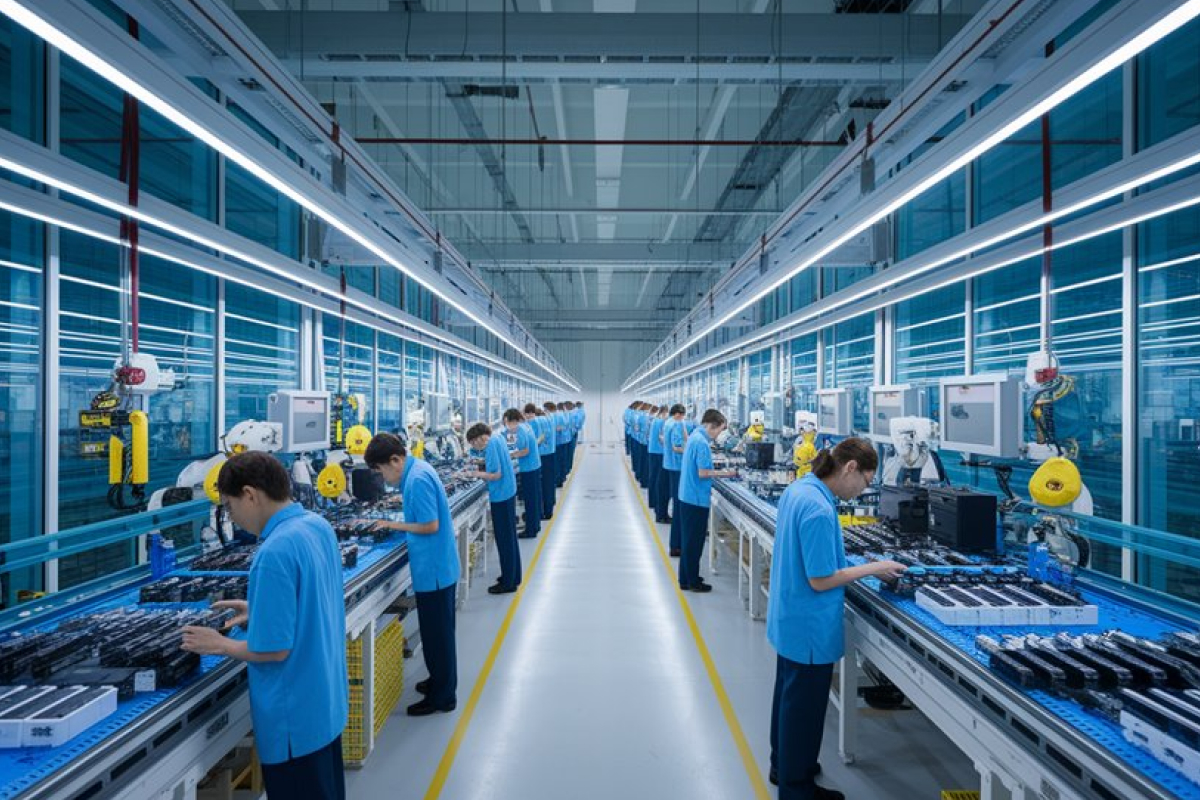
Contract manufacturing helps you scale your business by partnering with specialized manufacturers who handle production while you focus on design and sales. You’ll save on equipment and labor costs while gaining access to advanced manufacturing capabilities and expertise. The process involves selecting partners, negotiating agreements, setting quality standards, and managing production remotely. Though you’ll face some challenges with control and customization, the cost-efficiency and rapid scaling potential make it an attractive business model. Let’s investigate how you can maximize these benefits.
How Contract Manufacturing Works

Contract manufacturing transforms ideas into market-ready products through a systematic partnership between brands and producers. The process streamlines production while reducing overhead costs, making it an attractive option for businesses of all sizes.
1. Order Placement – Defining project requirements and specifications

Three critical steps define the order placement phase when working with contract manufacturers.
First, you’ll need to clearly outline your textile product customization requirements. This includes detailed specifications for materials, designs, and manufacturing processes.
Next, you’ll collaborate with the garment contract manufacturing team to establish production timelines and volume expectations. You’re creating a roadmap for success here.
Finally, you’ll define quality assurance in textiles standards. This means setting specific benchmarks for fabric quality, stitching precision, and finish requirements.
These steps guarantee you’re aligned with your manufacturer before production begins. Think of it as creating your project’s DNA.
Quality control processes must be thoroughly documented to maintain transparency throughout the manufacturing relationship.
2. Quotation & Pricing – Cost estimation and contract terms

Understanding pricing in contract manufacturing starts with receiving detailed cost estimates from potential manufacturing partners. You’ll need to analyze their textile manufacturing cost analysis thoroughly.
Let’s investigate what manufacturers typically include in their quotations:
- Materials and components breakdown (fabrics, inks, transfer papers)
- Production costs including labor and machine time
- Quality control and testing procedures
- Shipping and handling expenses
Your textile contract negotiation should focus on establishing clear terms. You’ll want to define payment schedules and minimum order quantities.
Consider requesting sample runs before committing to large orders. This helps validate quality standards and production capabilities.
Private label services can help reduce initial investment costs by eliminating the need for production facilities.
3. Contract Signing – Formalizing agreements and responsibilities

After finalizing negotiations and pricing details, signing the contract represents a crucial milestone in your manufacturing partnership.
You’ll want to clearly define responsibilities between your company and the contract manufacturing provider. This includes quality standards, production timelines, and textile supply chain specifications.
When you’re entering private label manufacturing agreements, confirm intellectual property rights and confidentiality clauses are properly documented.
Don’t forget to outline terms for modifications, termination conditions, and dispute resolution processes. You’ll need these safeguards as your production scales.
Review payment schedules, delivery commitments, and compliance requirements thoroughly before signing. This protects both parties throughout the partnership.
Establishing clear quality control procedures is essential since manufacturers must conduct rigorous testing to meet specified standards.
4. Production Process – Manufacturing and quality assurance
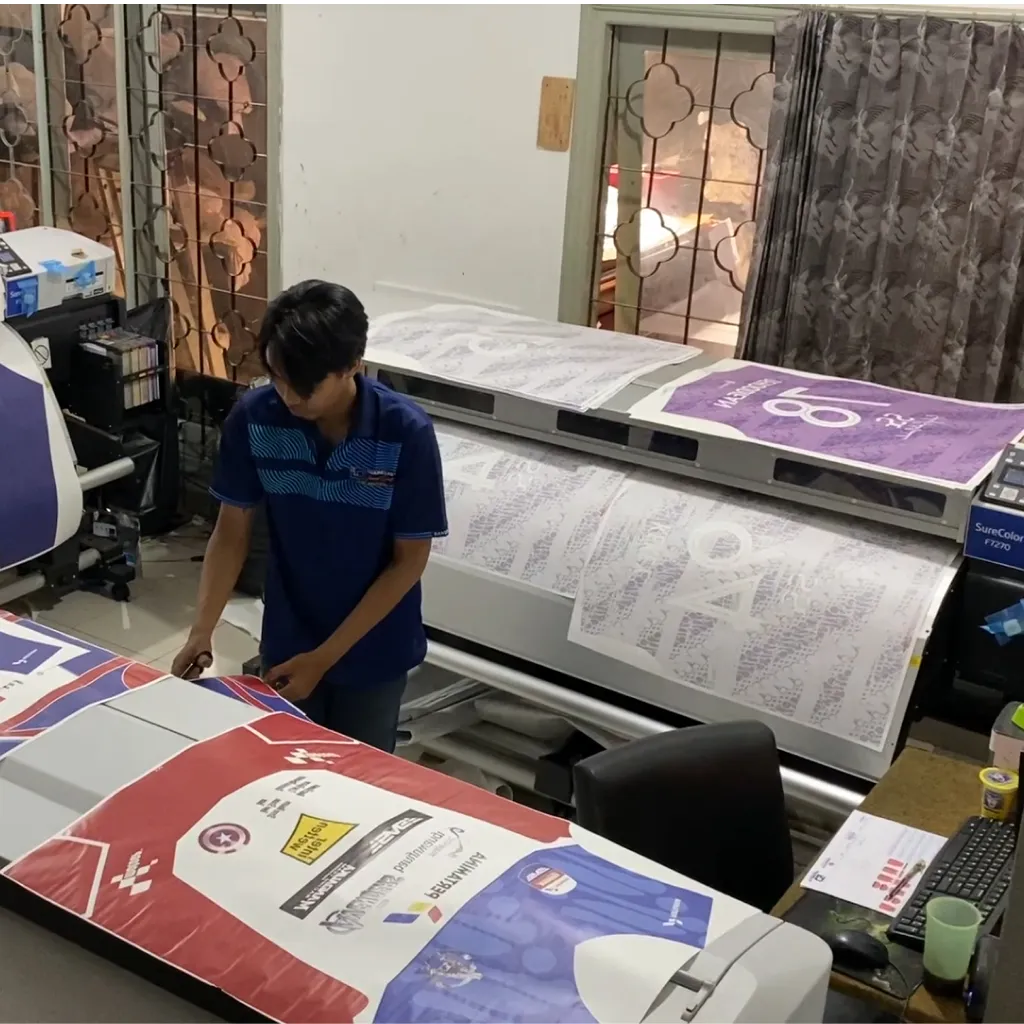
Once your contract is signed, the production process kicks into high gear with detailed quality assurance protocols. Your textile contract manufacturing partner will streamline operations for maximum efficiency.
You’ll see your apparel manufacturing services take shape through these essential steps:
- Initial sample production and approval testing
- Raw material sourcing and quality verification
- Production line setup with textile production efficiency monitoring
- Multi-point quality inspections throughout manufacturing
Your manufacturer’s quality control team will document every stage. They’ll guarantee your specifications are met through precision testing and verification.
You can track progress through digital monitoring systems. This gives you real-time visibility into production milestones.
Many manufacturers now offer sublimation printing capabilities for specialized textile products like custom hijabs and performance wear.
5. Product Delivery – Final inspection and shipment to the client
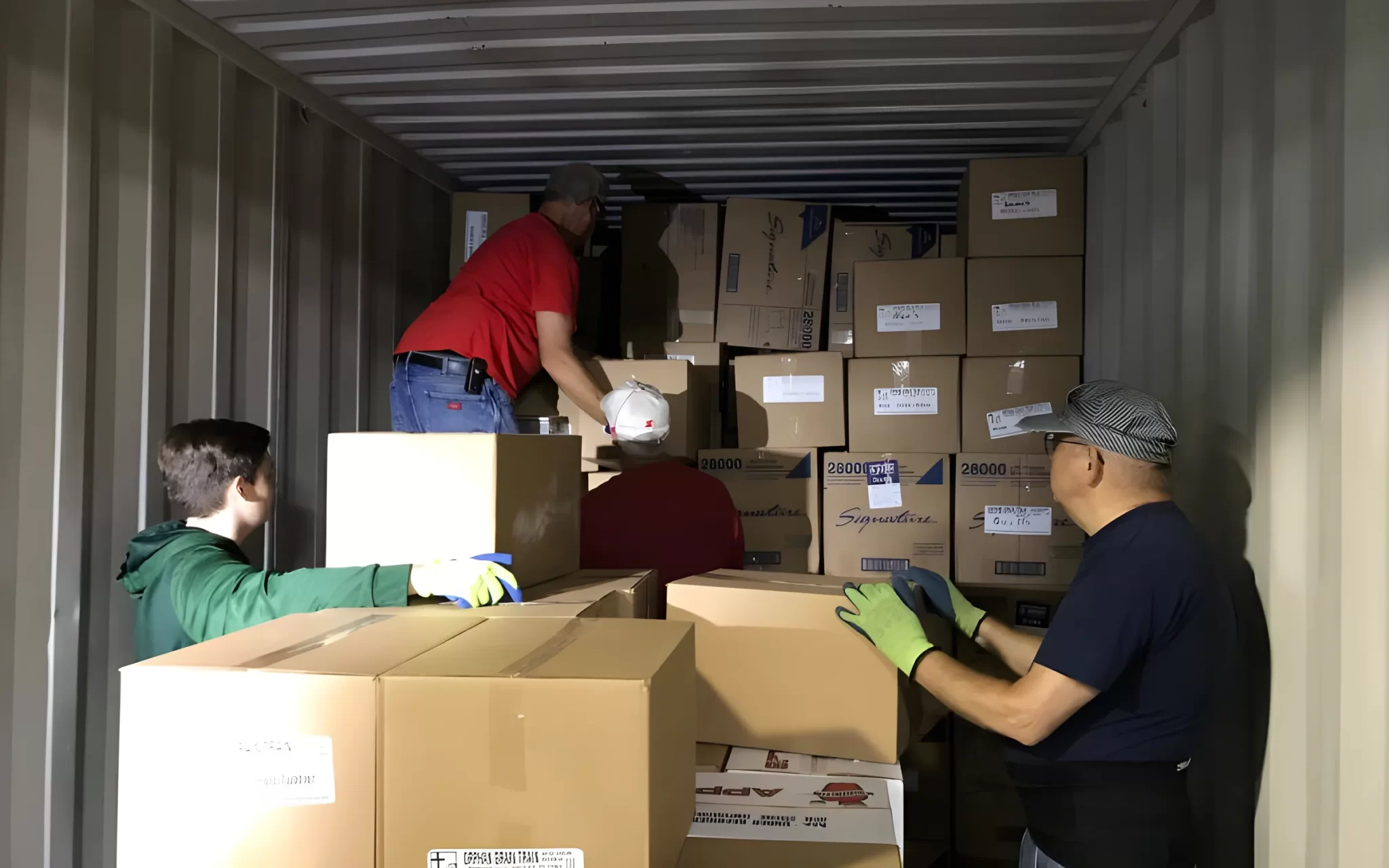
Before your products head out the door, they’ll undergo comprehensive final quality inspections. Your third-party production partner will verify every detail meets specifications.
For bulk textile orders, you’ll receive detailed inspection reports covering material quality, print consistency, and finishing standards. Modern textile logistics management guarantees your goods are properly packaged and labeled.
You’ll get real-time tracking updates from warehouse to delivery. Your contract manufacturer will coordinate shipping documentation and customs requirements for international orders.
Remember to review your quality control agreements upfront. They’ll outline inspection criteria, acceptable defect rates, and shipping protocols specific to your production needs.
Risk management practices help ensure stable operations through diversified production and quality control partnerships.
Advantages of Contract Manufacturing
Contract manufacturing has revolutionized how businesses bring products to market in today’s competitive landscape. Its strategic advantages can transform a company’s production capabilities while significantly impacting the bottom line.
Cost Efficiency – Save on production and operational expenses

By partnering with contract manufacturers like Texco, you’ll significantly reduce your production and operational costs compared to setting up an in-house facility. Their textile supply chain solutions and outsourced fabric production expertise streamline your operations.
- Skip expensive equipment investments like sublimation printers and heat transfer machines
- Eliminate training costs with access to pre-trained production specialists
- Reduce overhead expenses including facility maintenance and utility bills
- Save on raw materials through manufacturer’s bulk purchasing power
Modern DTF printing technology can deliver exceptional quality prints that last over 50 washes while keeping operational costs low. You’ll benefit from Texco’s established infrastructure while maintaining cost efficiency. Their comprehensive support services and flexible payment options make scaling your textile business more affordable than ever.
Time Savings – Faster market entry with minimal setup

Partnering with contract manufacturers like Texco can slash your time-to-market from months to just weeks.
When you utilize textile outsourcing, you’ll bypass the lengthy process of setting up your own production facility. You won’t need to source equipment or train operators.
Apparel contract manufacturing gives you instant access to ready-to-use infrastructure and skilled teams. You can start production immediately with proven systems.
Supply chain optimization becomes simpler when you work with established manufacturers. They’ve already built relationships with suppliers and logistics partners.
You’ll benefit from their streamlined workflows and quality control processes that took years to perfect. Your products can reach customers faster while maintaining high standards.
Modern manufacturers often utilize direct-to-fabric printing technology, which reduces setup time and allows for faster production of custom designs.
High-Quality Products – Leveraging expert manufacturers
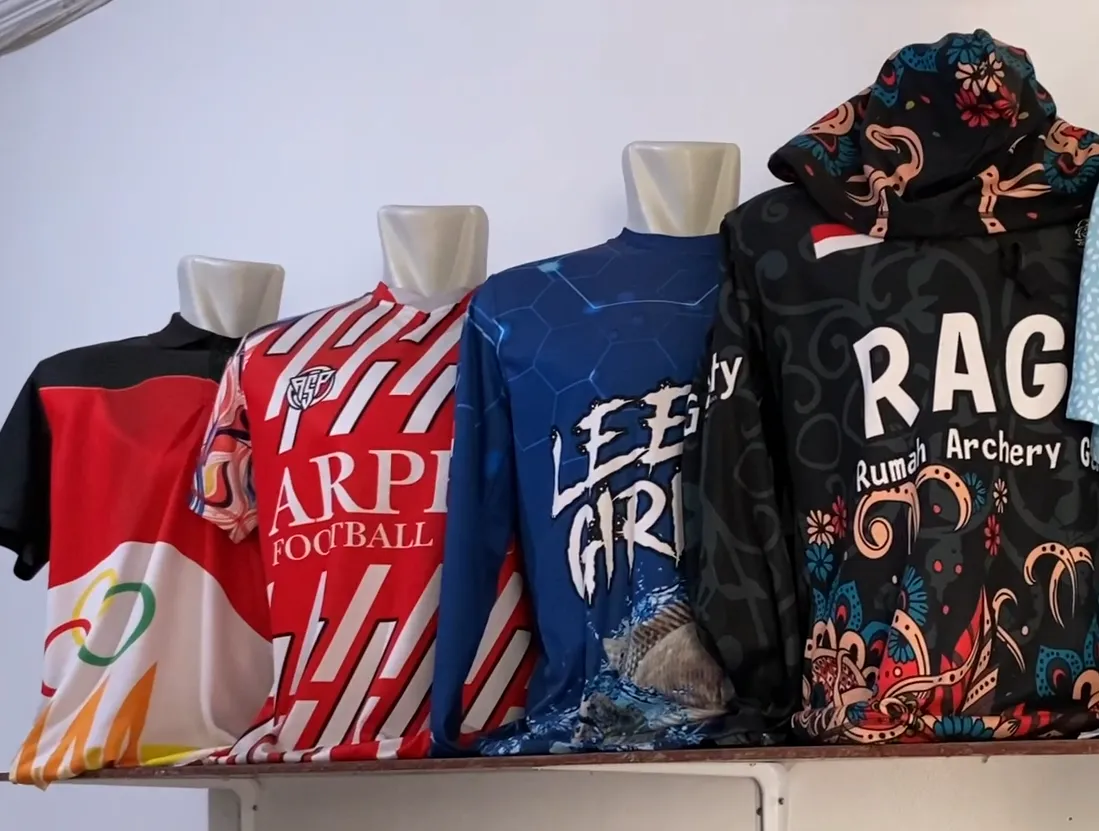
Professional contract manufacturers deliver exceptional product quality that’s hard to match with in-house production. You’ll benefit from their specialized expertise in oem manufacturing and white-label production standards.
When you partner with expert manufacturers, you’ll gain access to:
- Advanced quality control systems that guarantee consistent output
- Cutting-edge sustainable textile production methods and certifications
- Specialized equipment and technologies optimized for your product type
- Highly trained personnel with deep industry knowledge
You’ll achieve premium product quality without investing in expensive infrastructure. Their established processes and quality assurance protocols help you maintain high standards while reducing production risks. Similar to successful sublimation printing businesses, manufacturers maintain strict workspace organization and temperature controls to ensure optimal production conditions.
Challenges of Contract Manufacturing
Contract manufacturing presents a unique set of obstacles in today’s business landscape. While it offers scalability and cost advantages, companies must navigate the delicate balance between outsourcing production and maintaining control over their product quality.
Limited Flexibility – Less control over customization
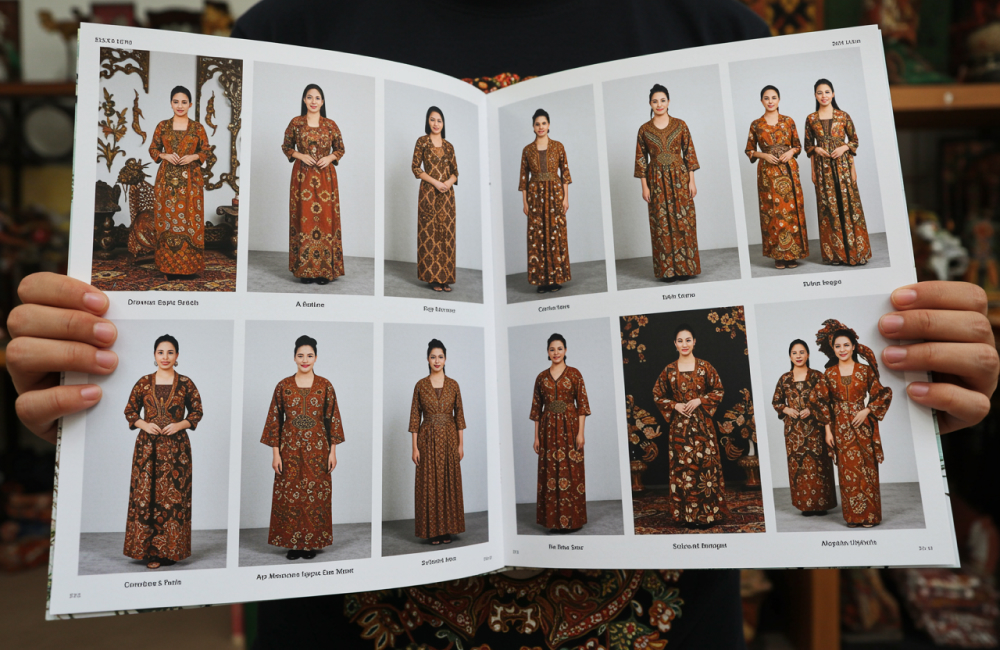
Organizations that rely on contract manufacturers often face significant constraints in relation to customizing their products. You’ll find this especially challenging when working with custom textile printing and private label textile brands.
- Your ability to make quick design modifications becomes limited by the manufacturer’s production schedules
- You can’t always implement unique features that could set you apart in competitive textile manufacturing
- Your color choices and material selections may be restricted to the contractor’s existing inventory
- You’ll have less control over quality standards and production timelines
The trade-off between cost-efficiency and customization flexibility means you’ll need to carefully weigh your priorities when choosing a manufacturing partner. For textile printing applications like hijabs, limitations on fabric selection can impact quality since high polyester content is essential for achieving optimal sublimation printing results.
Restricted Oversight – Dependence on third-party manufacturers
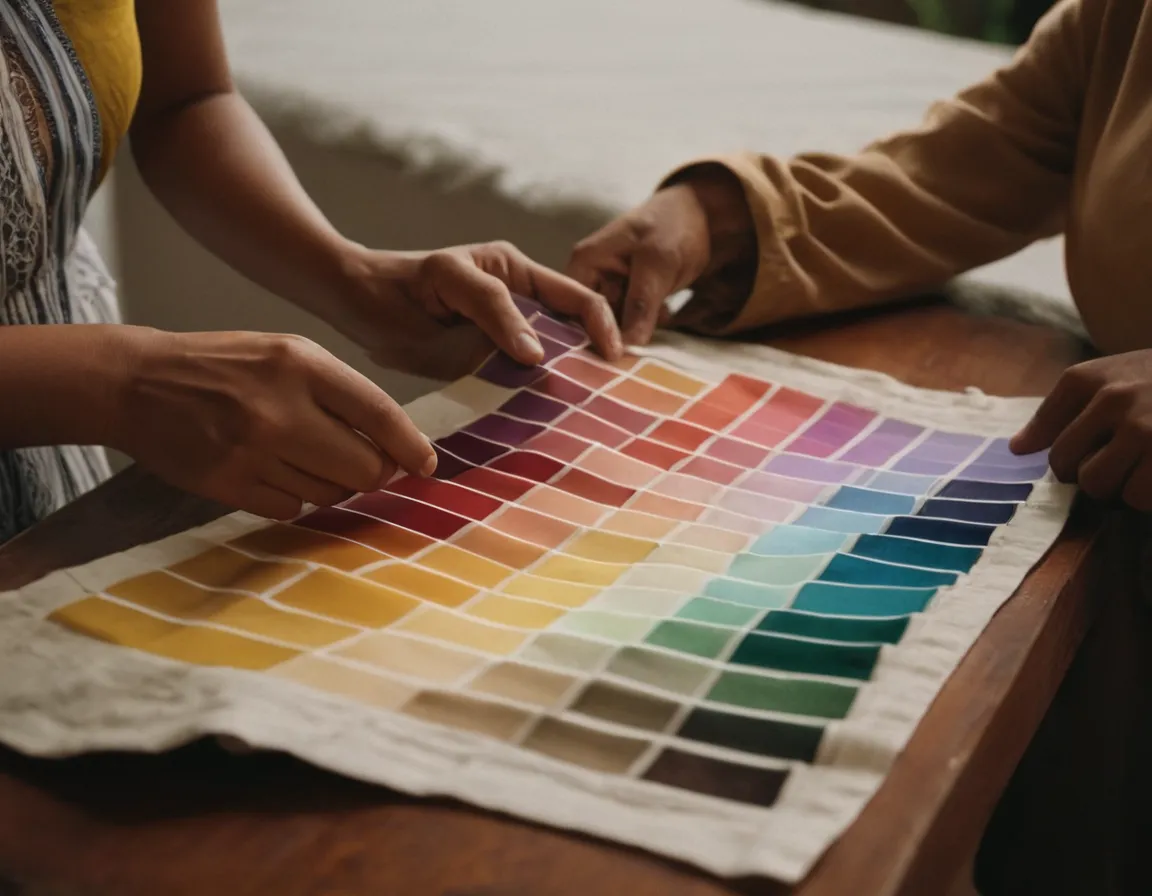
Working with third-party manufacturers means you’ll have limited visibility into day-to-day production operations. When engaging in oem textile production, you can’t monitor every step directly.
Your textile factory partnerships may operate differently than your standards require. You’ll often rely on periodic reports and scheduled inspections rather than real-time oversight.
Manufacturing efficiency strategies become harder to implement when you’re not physically present. You might miss quality issues or production bottlenecks that could be caught earlier with direct supervision.
Think of it like trying to coach a sports team remotely – you can provide guidance, but you can’t make split-second decisions on the field.
Similar to how digital screen printing reduces production oversight needs through automated processes, contract manufacturing requires trusting your partners’ capabilities and systems.
Quality Assurance Risks – Product quality depends on the manufacturer’s expertise
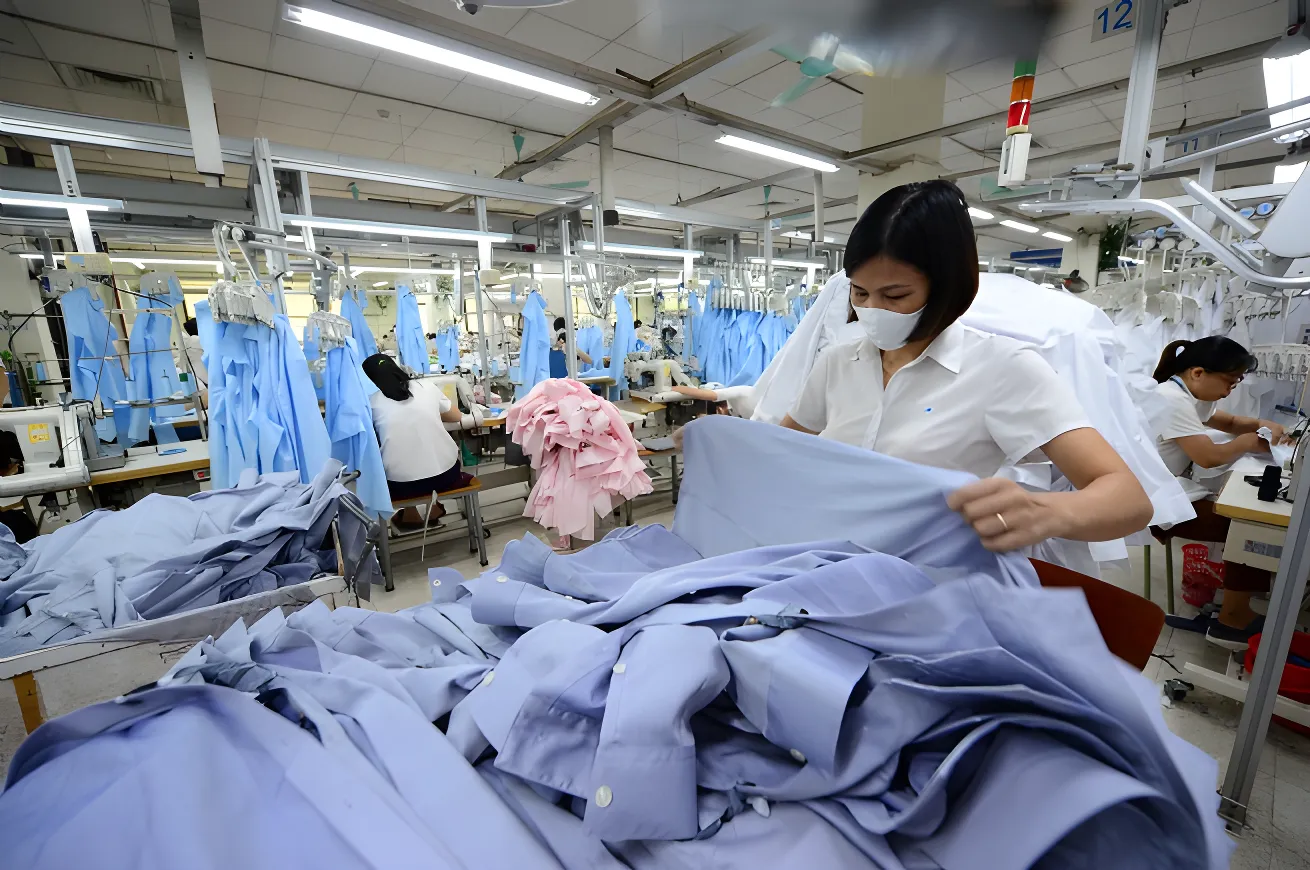
The success of your product’s quality rests heavily in the hands of your contract manufacturer’s skill level and expertise. When you’re developing textile product innovation, their capabilities directly impact your outcomes.
You’ll need to verify their proficiency in these critical areas:
- Automated textile manufacturing systems calibration and maintenance
- Advanced fabric processing solutions implementation
- Quality control protocols for various material types
- Technical expertise in modern digital printing methods
You can’t afford quality compromises in today’s competitive market. It’s crucial to thoroughly evaluate your manufacturer’s track record with similar projects before committing to a partnership.
Make sure they’re continuously investing in emerging technologies and industry certifications.
Types of Contract Manufacturing in the Textile Industry
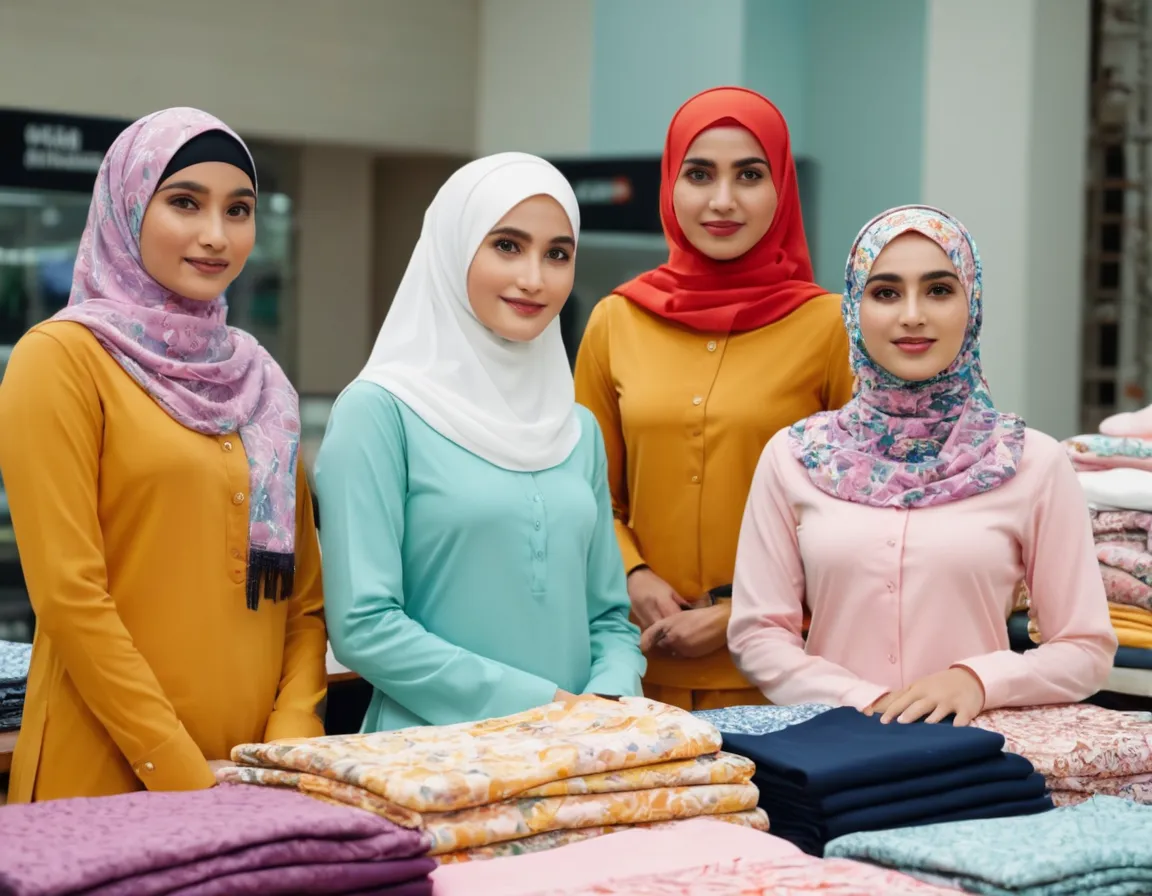
Contract manufacturing in the textile industry spans several specialized categories that serve different production needs. You’ll find opportunities across textile product development, bulk fabric manufacturing, and international textile trade.
Digital printing manufacturers offer specialized services for polyester, cotton, and mixed fabrics. You can choose from sublimation printing for sportswear, DTF for multi-material applications, or DTG for cotton garments.
Traditional manufacturing focuses on cut-and-sew operations for large-scale production. These services typically handle pattern making, material sourcing, and quality control.
Specialty manufacturers provide niche services like sustainable textile processing and technical fabric development. They’re perfect when you need expertise in specific materials or techniques.
Conclusion
Successfully managing contract manufacturing requires careful planning and the right partnerships. When you’re ready to expand your textile business growth through industrial textile solutions, you’ll need to focus on strategic implementation.
Here’s what you need to keep in mind about contract manufacturing success:
- Partner with certified manufacturers like Texco that offer comprehensive support services
- Utilize modern printing technologies including DTG, DTF, and sublimation options
- Verify quality control measures align with industry standards like Oeko-Tex
- Maintain flexibility in production scale while keeping costs manageable
You’ve now got the knowledge to make informed decisions about your manufacturing partnerships. Bear in mind that success comes from choosing partners who understand your vision and can scale with your growth.
And if you want to start your own hijab brand business, you can go directly to this article.