
16 Best Hijab Fabrics Suitable for Sublimation Printers
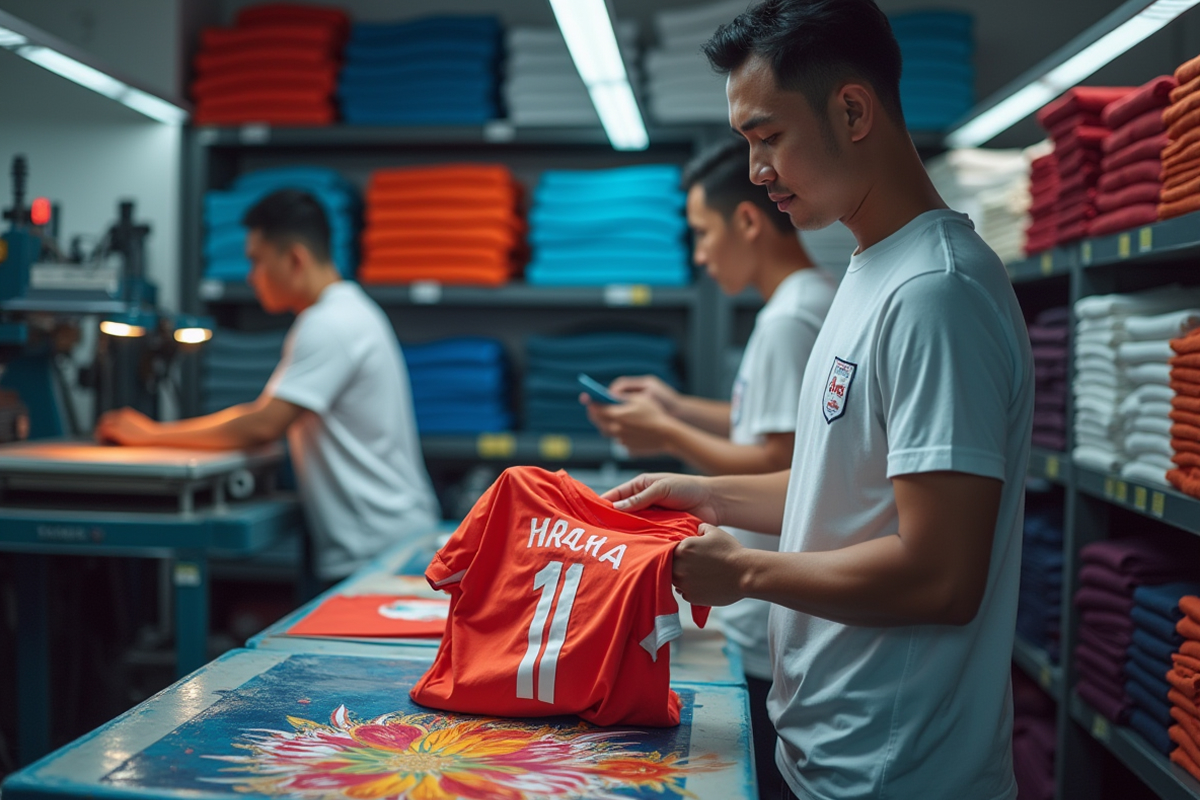
The hijab printing business is booming in Indonesia, in line with the continuously growing hijab fashion trend. This business is considered to have promising potential in the future.
However, the key to success lies in choosing the right fabric for sublimation printers.
So, what types of hijab fabrics are ideal and suitable for sublimation printing?
Read this article to find out!
Recommended Hijab Fabrics for Sublimation Printing
Sublimation printers are known for producing detailed, vibrant, and long-lasting prints.
These printers use ink that permeates the fabric, preventing cracks and delivering stunning print quality.
However, to achieve the best printing results, choosing a fabric with at least 70% polyester content is crucial; the higher the percentage, the better the print quality.
Here are various types of polyester-containing fabrics ideal for sublimation printing:
1. Chiffon Fabric

Elegant chiffon fabric is perfect for sublimation printing.
Chiffon fabric is known for its fine and soft texture, created through a special weaving technique.
Its loose weave, made with thin threads, results in a lightweight, smooth fabric that is resistant to wrinkles.
Originally made from silk threads, chiffon is now produced using various fibers like cotton, rayon, nylon, and polyester.
The polyester content in chiffon fabric enhances its suitability for sublimation printing, producing impeccable prints.
2. Woolpeach Fabric

Woolpeach hijabs offer both comfort and style.
Made from polyester, woolpeach fabric is smooth and lightweight, offering a soft and non-transparent texture that is easy to iron.
With a slightly thinner thickness than jersey fabric, woolpeach is an ideal hijab material for all-day comfort.
Since it is made from 100% polyester, it guarantees excellent printing results with sublimation printers.
3. Satin Fabric

Satin hijabs offer elegance and sophistication.
With a glossy appearance, satin fabric is perfect for formal events like parties, weddings, and photoshoots.
Satin, typically made from 100% polyester, delivers perfect prints through sublimation printing while preventing ink from bleeding through the fabric.
Its softness, smoothness, and lightweight nature make it a preferred choice in the hijab industry.
4. Spandex Fabric
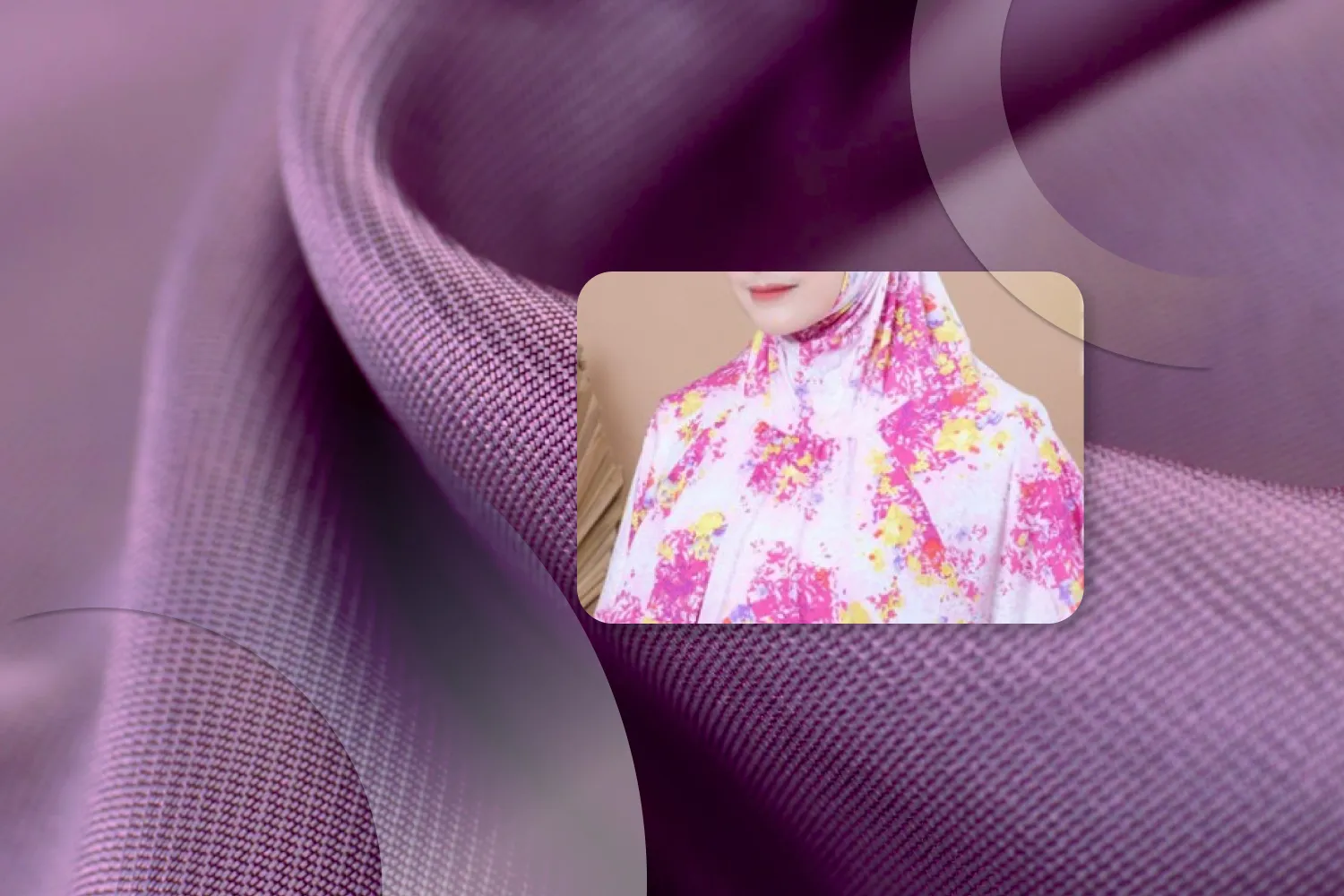
Spandex hijabs combine comfort, flexibility, and style.
Derived from nylon or polyester, spandex is known for its elasticity. Since it cannot stand alone as a fabric, it is often blended with other fibers like cotton or rayon.
Spandex has a thick, flowy, and easy-to-shape nature, making it perfect for hot weather.
Though slightly more expensive, its softness and smooth texture ensure comfort. Additionally, spandex maintains high-quality prints when used with sublimation printers.
5. Ceruti Fabric
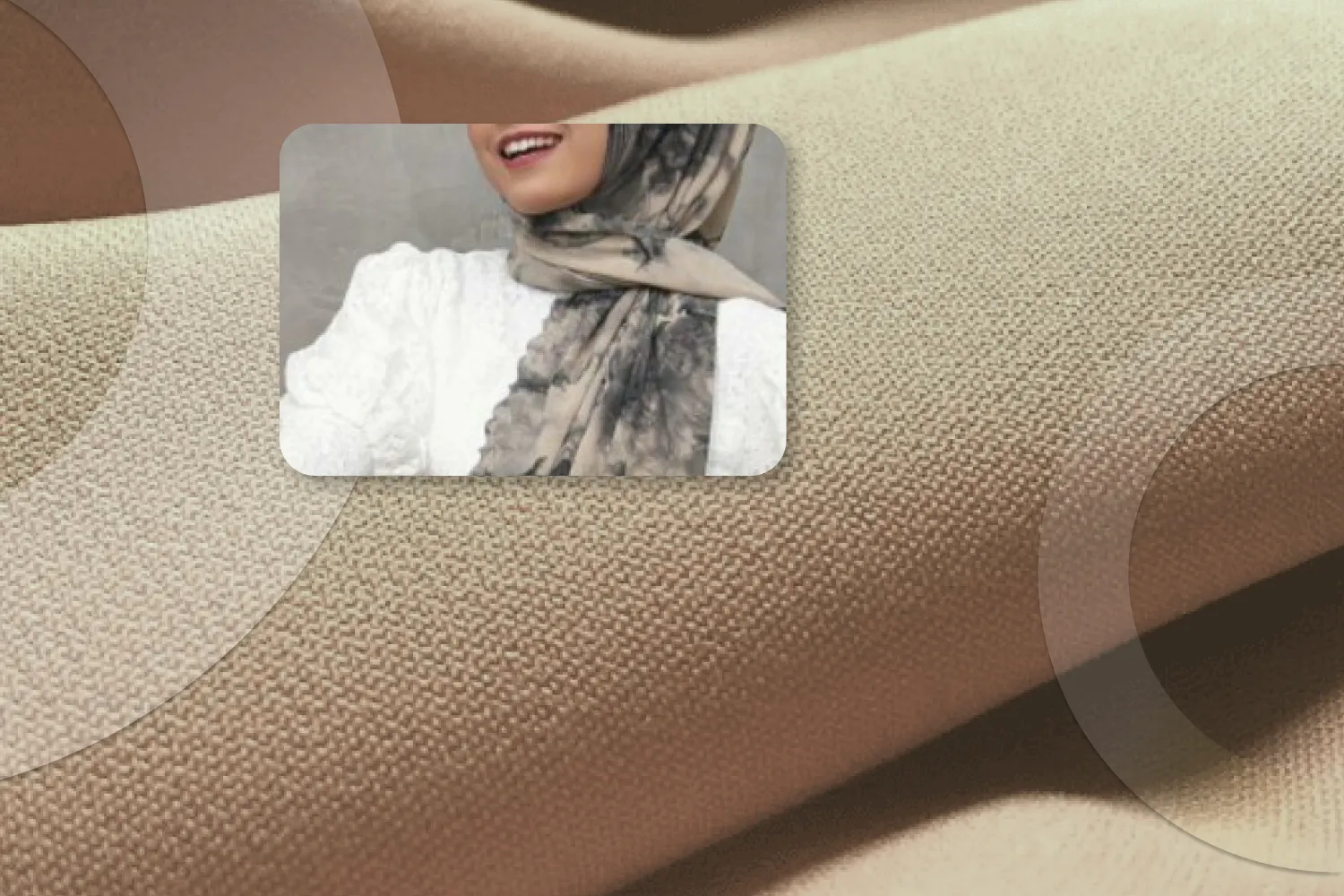
Ceruti hijabs, with their textured surface similar to orange peel, are ideal for layered styles.
This fabric is thin, drapes well, and is slightly transparent but still breathable and comfortable.
As a chiffon variant, ceruti contains a mix of polyester, chiffon, and crepe, ensuring high-quality sublimation prints.
6. Polycotton Fabric

Polycotton hijabs highlight texture and print compatibility.
Made from a blend of polyester and cotton, polycotton combines softness, lightweight texture, and excellent sweat absorption.
Due to its dominant polyester content, polycotton ensures optimal print quality when used with sublimation printers.
7. Organza Fabric

Organza hijabs offer a sheer, lightweight, and glossy texture, perfect for formal occasions.
Initially made from natural silk, organza is now also produced using synthetic fibers like nylon and polyester, making it more affordable.
8. Toyobo Fabric
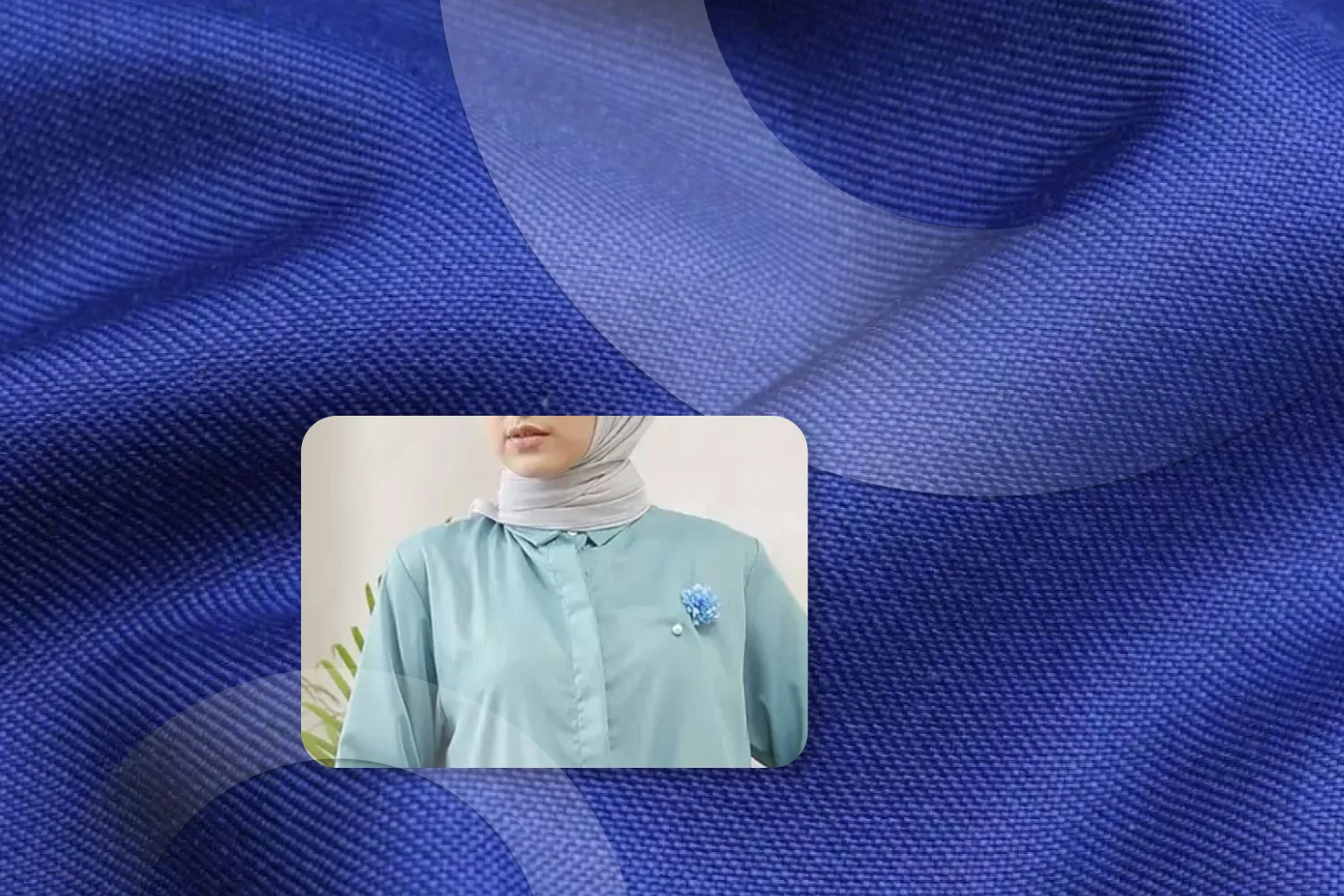
Toyobo hijabs offer unmatched comfort and quality.
Imported from Japan, this cotton variant is soft and smooth, providing exceptional comfort in tropical climates.
When printed using a sublimation printer, Toyobo fabric delivers beautiful and high-quality prints.
9. Besway (BSY) Fabric
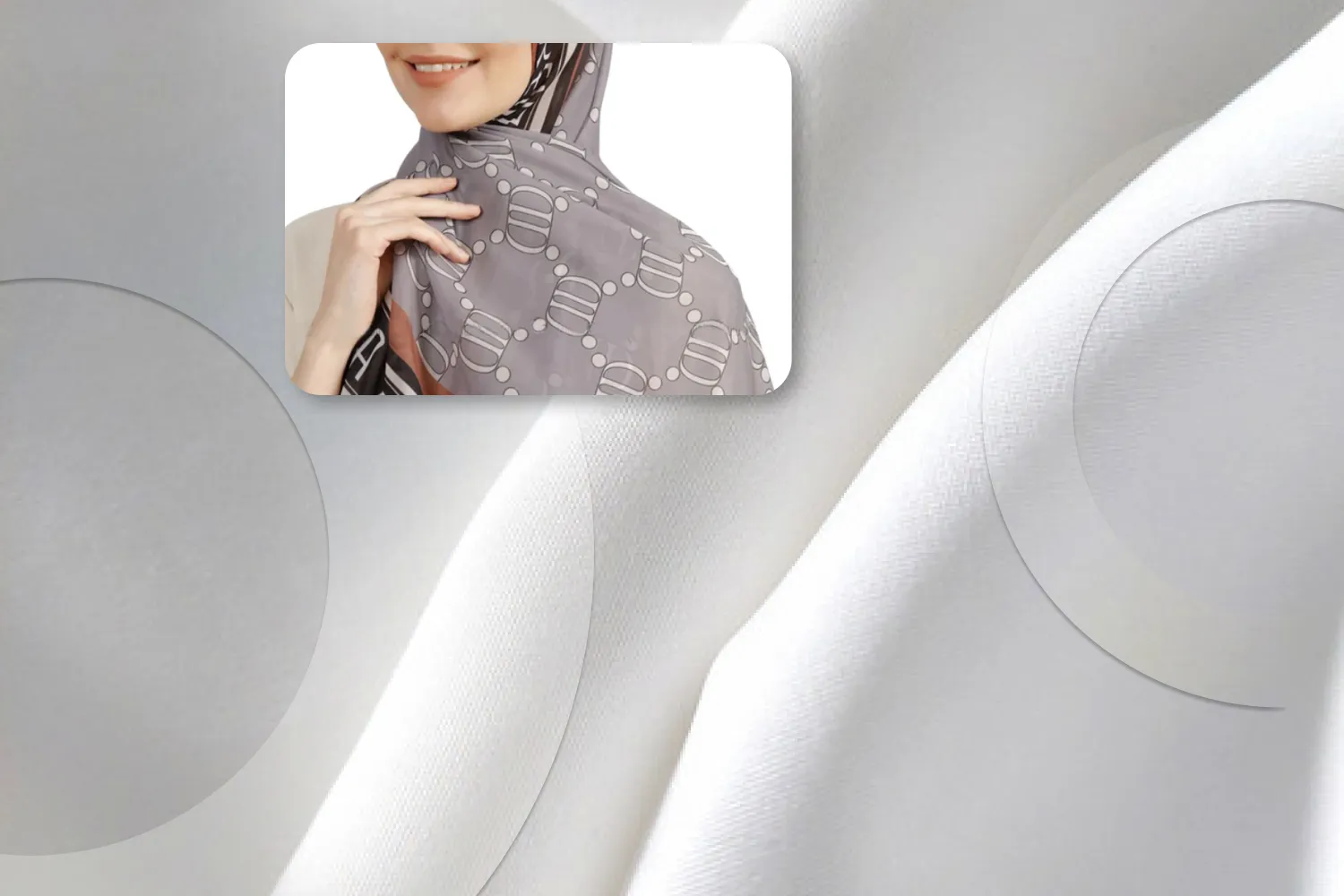
BSY hijabs showcase a smooth and luxurious texture, ideal for formal events.
Made from 100% polyester, BSY fabric resembles cotton in texture but retains a synthetic feel.
Its elegant appearance and excellent print results make it a top choice for textile printing businesses.
10. Shakila Fabric

Shakila hijabs combine softness, smoothness, and sweat absorption.
A blend of cotton and silk, Shakila fabric ensures comfortable wear while delivering sharp and vivid sublimation prints.
11. Silk Fabric
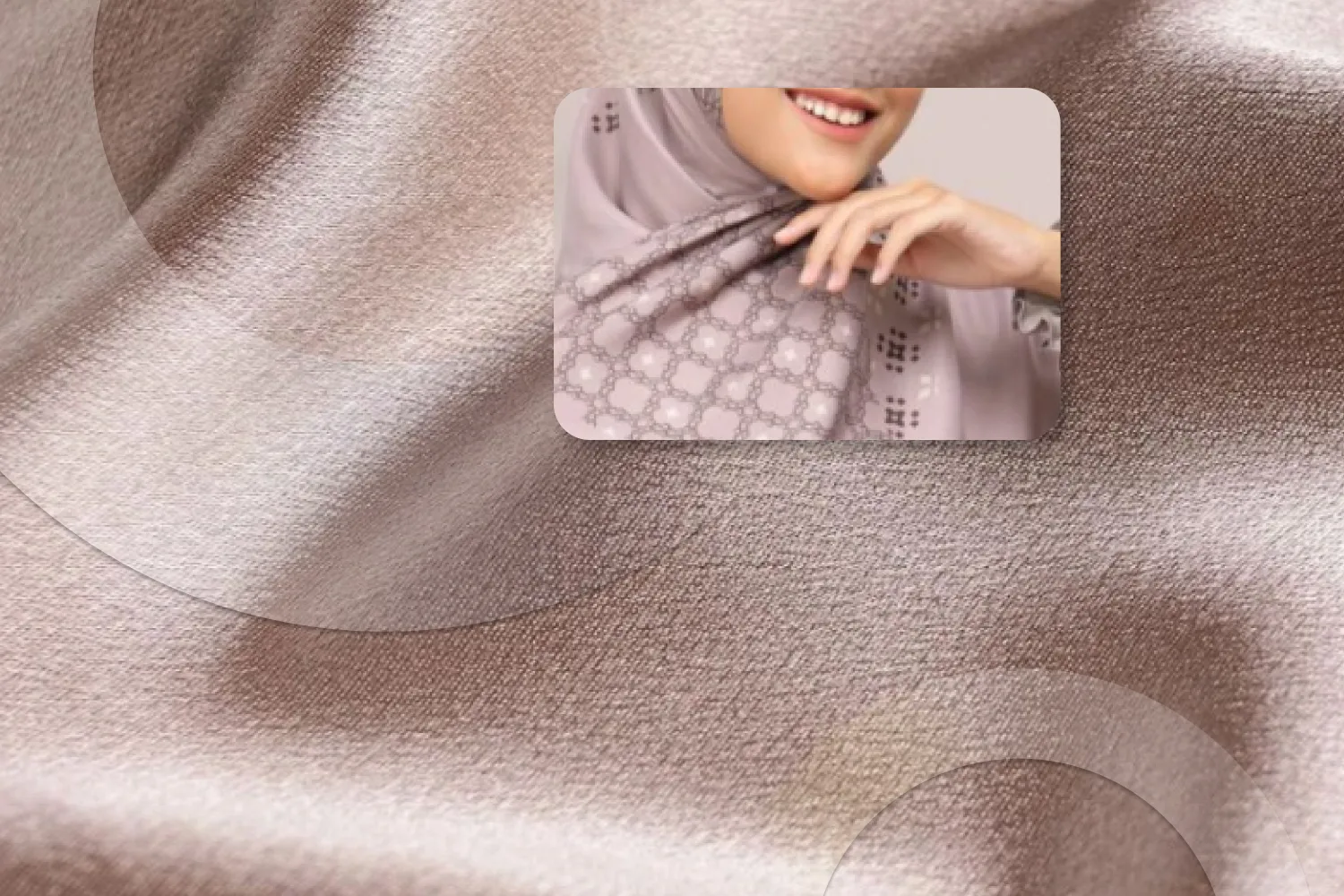
Silk hijabs emphasize softness, natural sheen, and sublimation print compatibility.
Renowned for its luxurious and elegant look, silk fabric remains a timeless hijab material.
Despite being lightweight, silk maintains a premium appearance when printed using sublimation technology.
12. ITY (Interlocked Twist Yarn) Fabric
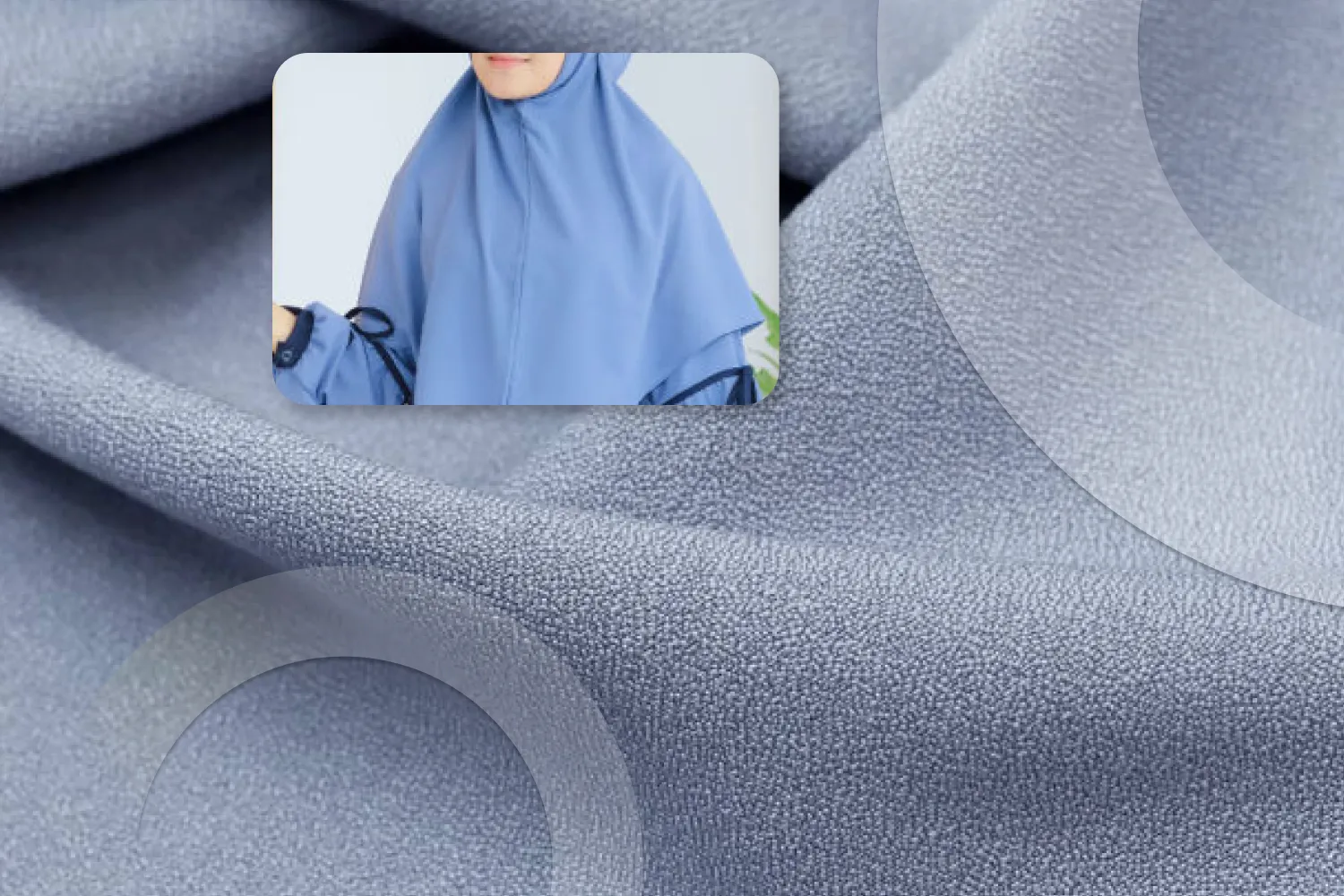
ITY hijabs provide elasticity, comfort, and sharp sublimation print results.
Made from polyester and spandex, ITY fabric is highly flexible and resistant to wrinkles, making it an excellent choice for daily hijabs.
13. Parachute Fabric
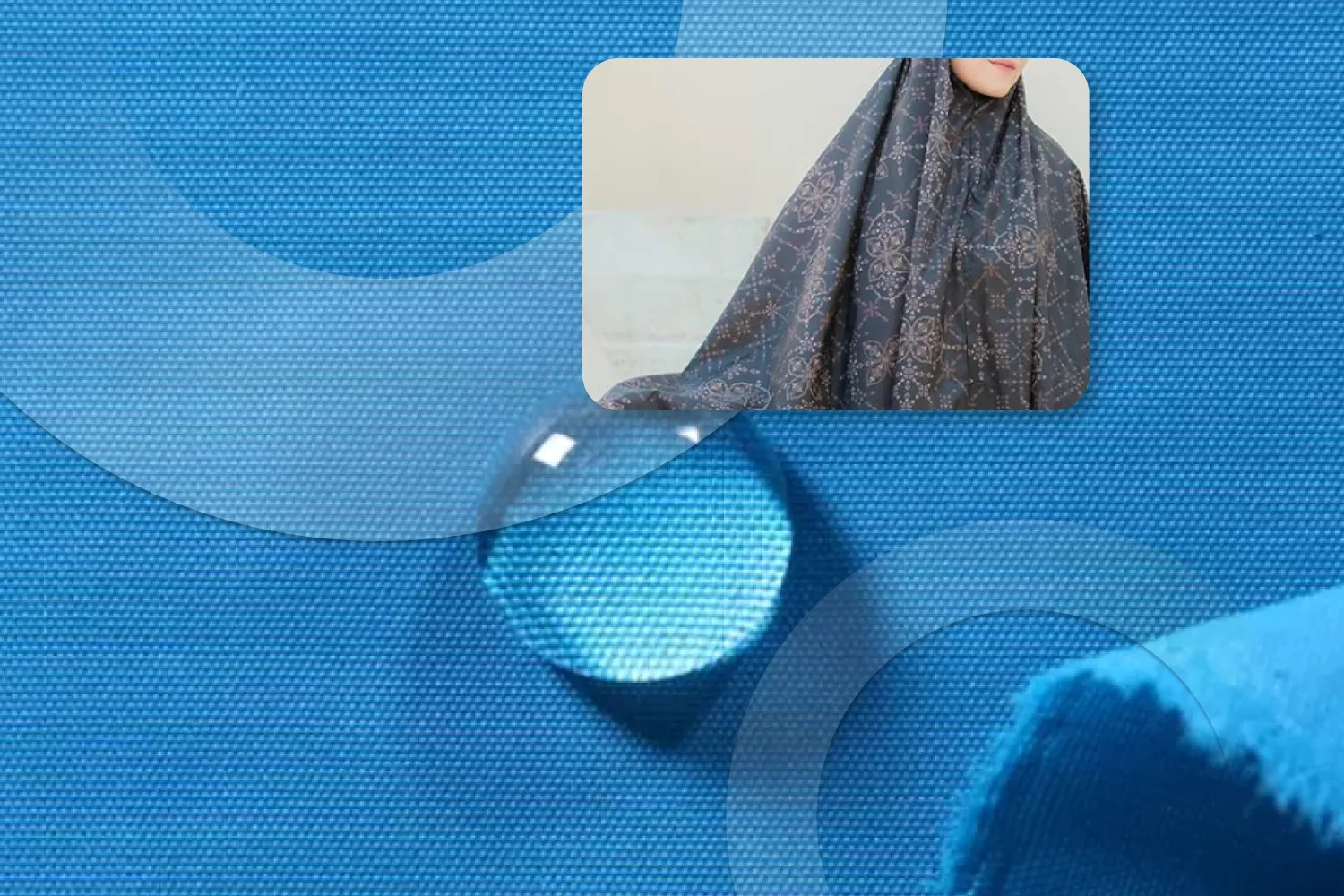
Parachute hijabs offer water resistance, styling flexibility, and sharp sublimation prints.
Often associated with sportswear, parachute fabric is lightweight, opaque, wrinkle-resistant, and comfortable for everyday use.
14. Voal Fabric

Voal hijabs emphasize softness, smoothness, and long-lasting printed motifs.
With excellent air circulation and minimal shrinkage, voal fabric ensures durable prints, making it a favorite in the hijab printing business.
15. Cotton Fabric
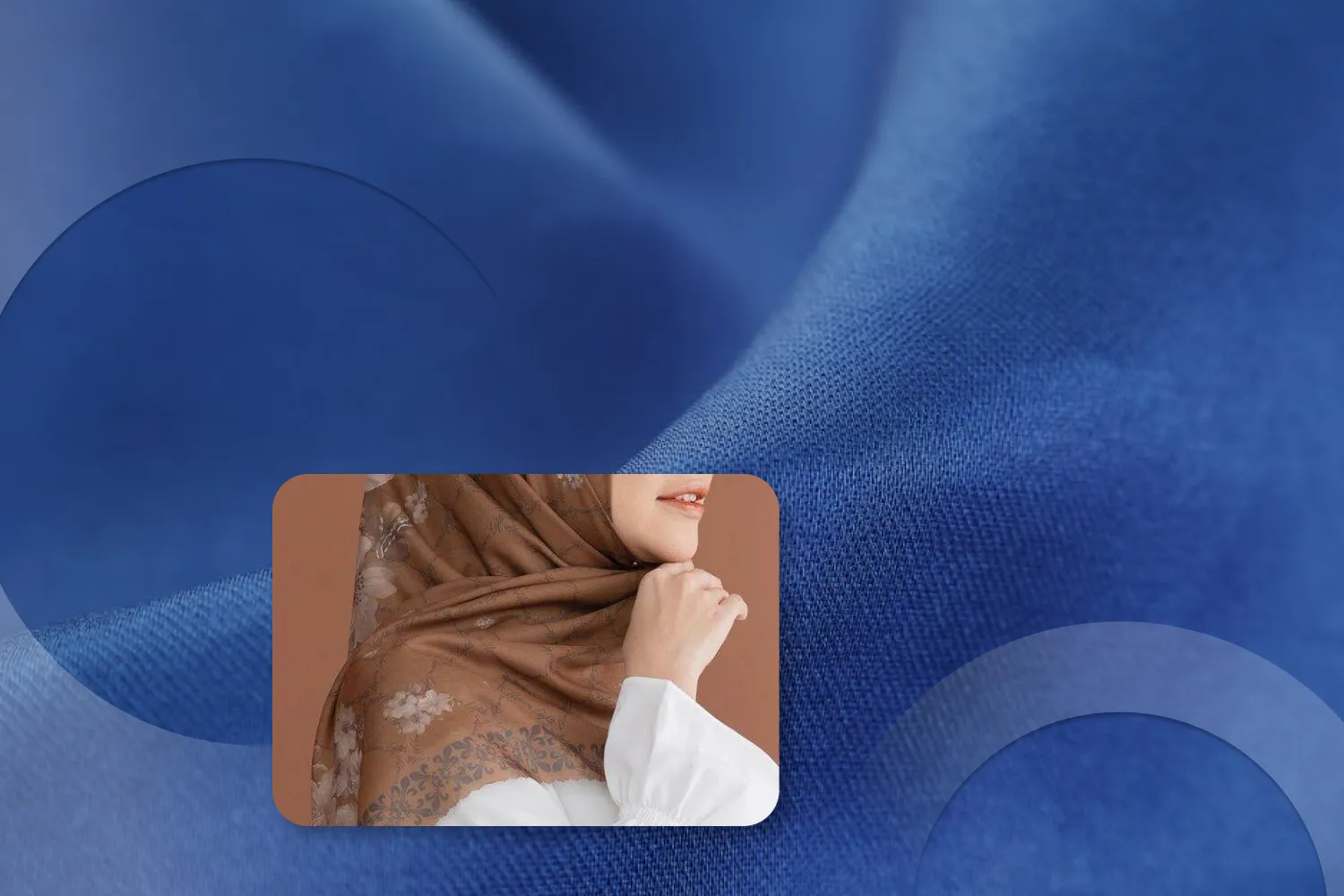
Cotton hijabs highlight their soft texture and comfort, with a polyester blend ideal for tropical climates.
Pure cotton may not be suitable for sublimation printing, but cotton-polyester blends produce excellent print results.
16. Maxmara Fabric

Maxmara hijabs offer a soft, silky texture and elegant sublimation print results.
Originally a luxury coat brand, Maxmara fabric has become a popular hijab material, known for its lightweight, smooth, and non-transparent qualities.
Business Opportunities in Hijab Printing
The hijab printing business in Indonesia holds great potential.
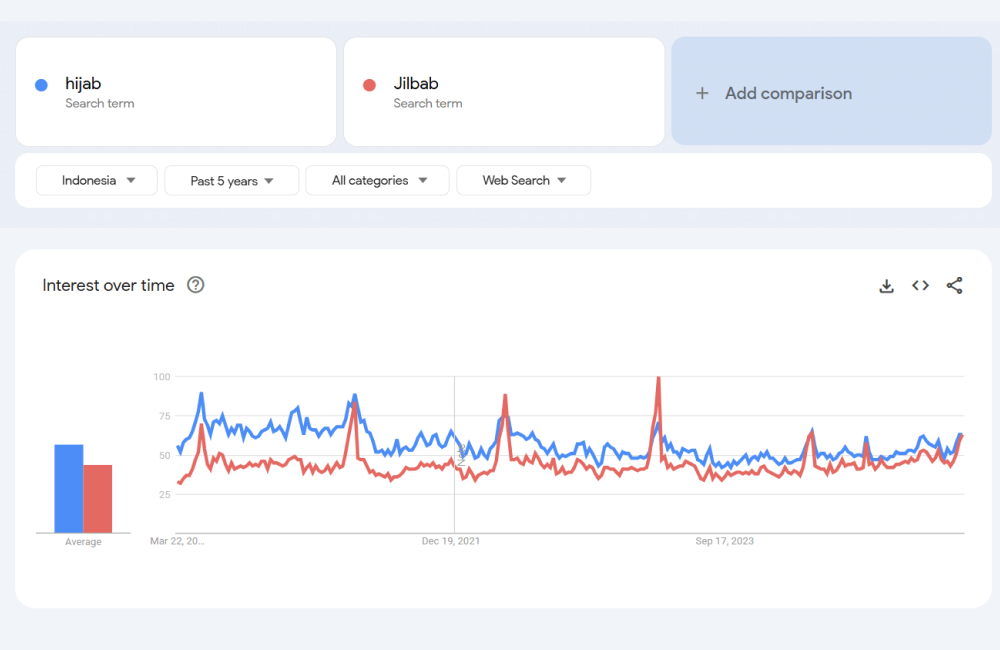
Hijabs have become a mainstream fashion trend among Indonesian Muslim women, supported by a stable growth pattern in Google Trends.
With hijabs being embraced by all age groups and worn daily, the business potential is undeniable.
By leveraging sublimation printing to create trendy hijab designs, entrepreneurs can tap into this lucrative market.
Conclusion
Choosing the right hijab fabric is essential for achieving optimal print quality with sublimation printers.
By understanding the best fabric types, you can enhance the quality of hijabs produced while maximizing business profitability.
For further information, check out our recommendations for the best sublimation printers in the articles below:
- “The Best Sublimation Printers to Keep Your Business Profitable!”
- “Best Epson Sublimation Printers for Digital Printing Business”
With the right hijab fabric selection and a high-quality sublimation printer, you can elevate your hijab printing business to greater success.