
7 Tips for Printing Custom Hijabs for Your Business

To print custom hijabs successfully, you’ll need to master seven key areas: design development, fabric selection, equipment setup, pre-printing preparation, printing techniques, quality control, and finishing touches. Start with polyester-based fabrics for ideal color vibrancy and invest in reliable digital printing equipment. Guarantee thorough cleaning and prep work before printing, maintain consistent temperature control during the process, and conduct rigorous quality checks. Let’s investigate how to turn these fundamentals into a thriving hijab printing operation.
Preparing for Hijab Printing
The art of hijab printing combines traditional Islamic modesty with modern design innovation. Getting started requires understanding the perfect blend of design, fabric selection, and printing technology to create beautiful, wearable art.
Defining Your Hijab Design and Concept

When launching your hijab printing business, successful designs start with a clear creative vision. Your custom hijab printing journey requires careful consideration of both aesthetics and functionality.
Let’s investigate what makes a winning hijab design concept:
- Research sustainable hijab printing methods that align with your target market’s values
- Choose the best fabric for hijab printing – polyester works great with sublimation technology
- Develop unique patterns that reflect current fashion trends while respecting cultural elements
- Create a signature style that sets your hijab customization apart from competitors
Your textile printing solutions should balance innovation with traditional aesthetics. Focus on designs that speak to your audience’s lifestyle and preferences.
Choosing the Right Fabric for Printing
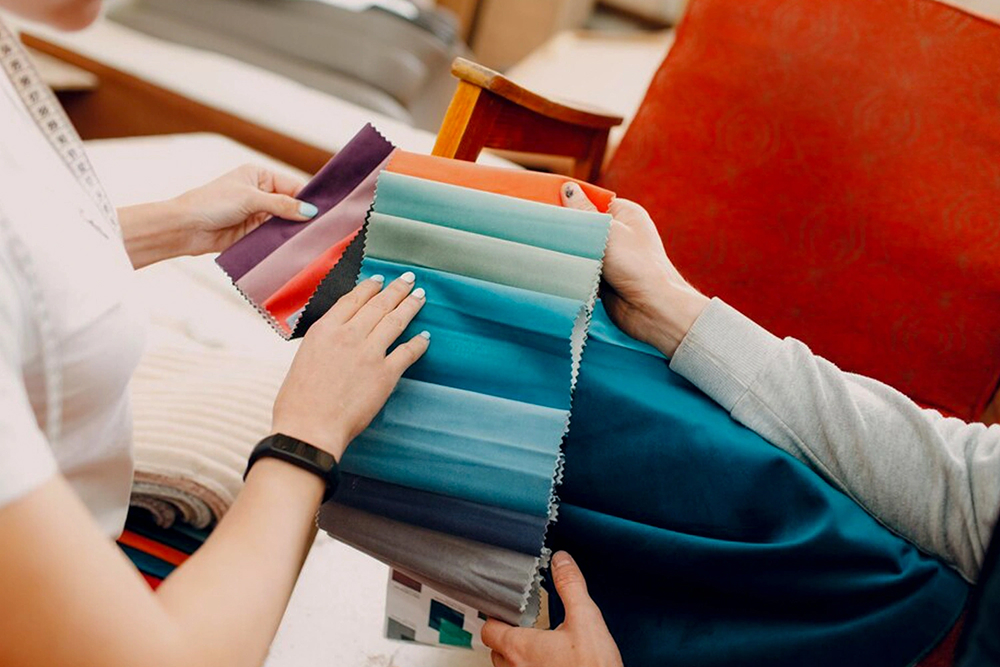
Selecting the perfect fabric lays the foundation for stunning hijab prints that’ll wow your customers.
For professional hijab printing, you’ll want to focus on polyester-based materials that work beautifully with sublimation printing on hijabs. These fabrics guarantee vibrant, long-lasting colors.
Consider eco-friendly hijab printing options by choosing materials certified for sustainable production. You’ll achieve the best ink for hijab printing results with materials specifically designed for digital textile processes.
Your hijab material selection should balance comfort with print quality. Texco’s fabric printing for hijabs works exceptionally well on lightweight polyester blends that offer both breathability and excellent color absorption.
Gathering Essential Printing Equipment

Three essential pieces of equipment form the foundation of professional hijab printing. You’ll need a reliable digital fabric printing machine, quality heat transfer equipment, and specialized finishing tools.
When selecting your hijab printing supplies, focus on versatility and precision for the best results. The best printers for hijabs should handle delicate fabrics while delivering vibrant colors.
- Texco DTF Printer: Perfect for multi-material hijabs with detailed patterns
- Professional Heat Press: Essential for transfer printing with temperature control
- Direct-to-Fabric Printer: Ideal for silk and premium hijab materials
- Sublimation System: Excellent for polyester-based hijabs with fade-resistant prints
The Hijab Printing Process
Transforming plain hijabs into stunning works of art through printing requires both technical precision and creative vision. Modern printing techniques have revolutionized how these beautiful head coverings can showcase intricate designs while maintaining their essential comfort and functionality.
Pre-Printing Preparation Steps
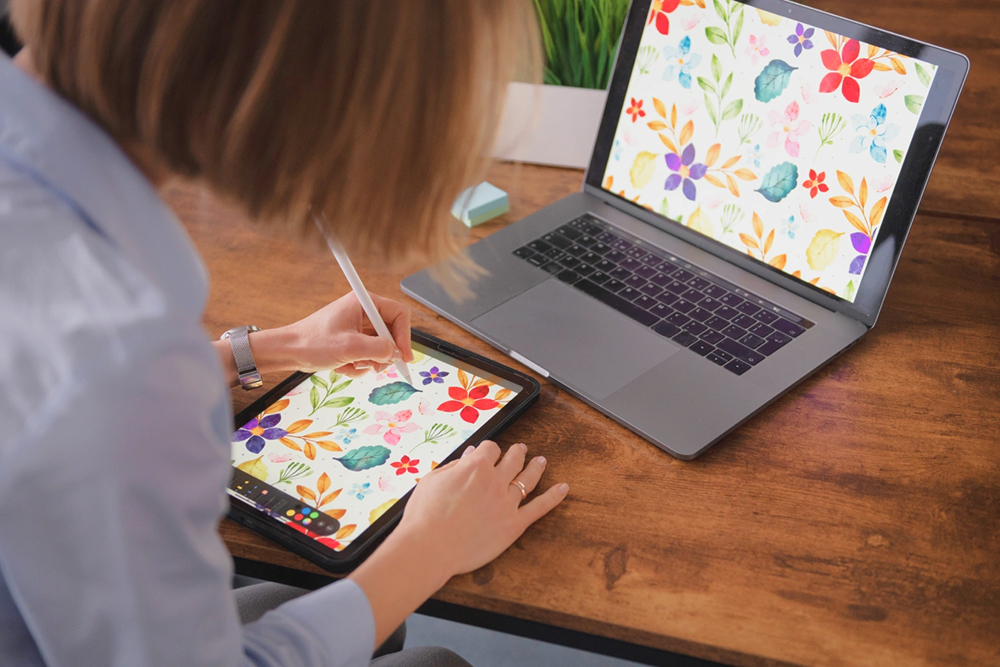
Before diving into the printing process, proper preparation makes all the difference in creating stunning custom hijabs. Your step-by-step hijab printing journey starts with essential quality control measures.
- Clean and prep your fabric thoroughly to guarantee peak hijab printing quality
- Select appropriate printing method based on material (DTF for mixed fabrics, sublimation for polyester)
- Create and test your design templates for custom printed scarves using scale samples
- Calibrate your printing equipment and prepare hijab decoration techniques accordingly
You’ll want to double-check these preparations before starting mass production. This attention to detail will set your hijab printing business apart from competitors. For optimal sublimation results on polyester hijabs, ensure your fabric contains at least 70% polyester content to achieve maximum color vibrancy and longevity.
Printing Techniques and Best Practices

Now that you’ve prepared your materials and workspace, let’s investigate the actual printing process for creating stunning custom hijabs.
Dye sublimation is your go-to method for textile printing for hijabs. You’ll get vibrant, long-lasting results that won’t fade or crack.
Position your design on the transfer paper and align it carefully with your hijab fabric. The heat press for hijabs should be set between 380-400°F.
Apply even pressure for 45-60 seconds to guarantee proper transfer. You’re transforming the hijab printing industry with each piece.
For personalized hijabs, maintain consistent temperature and timing. Your custom headscarf printing success depends on precision and patience.
Let the fabric cool completely before handling. You’ll see rich, seamless results that’ll wow your customers.
The polymer-coated materials allow the sublimation inks to bond directly with the fibers rather than just sitting on the surface.
Post-Printing Finishing and Quality Control
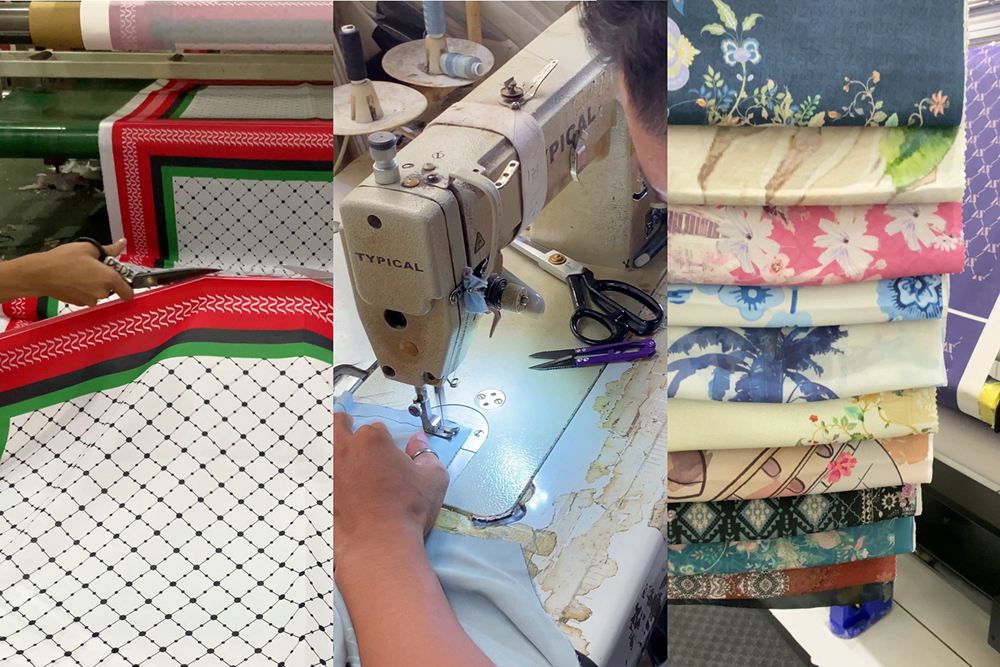
Success in hijab printing requires meticulous attention to post-production details. Your silk and polyester hijabs need proper finishing to guarantee they’re retail-ready.
Let’s examine essential quality control steps that’ll enhance your hijab manufacturing process:
- Heat-set your printed designs at the correct temperature (356°F for polyester, 330°F for silk) for 30-45 seconds
- Check color consistency under natural and artificial lighting to verify branding accuracy
- Perform a gentle wash test to validate colorfastness and print durability
- Inspect edge finishing and remove any loose threads before packaging
You’ll want to document these quality checks for each batch to maintain consistent standards in your hijab printing business.
Using Fast Dry transfer paper allows for immediate handling of your printed hijabs without smudging or waiting time during production.
Conclusion
Starting your custom hijab printing business with Texco provides you with the ideal blend of technology and support. You’ll find everything you need to tap into the growing hijab fashion business market while keeping your hijab printing costs manageable.
With print-on-demand hijabs becoming increasingly popular, you’re now equipped to meet wholesale hijab printing demands and stay current with hijab design trends. DIY hijab printing has never been more accessible. Texco will ensure your printed hijabs meet the highest quality and safety standards in the textile industry.
You could also read more about the best sublimation printers at attractive prices so that your hijab printing process can run optimally and efficiently.