
How to Start a Printing Business From Scratch

To start a printing business from scratch, you’ll need to first choose your specialty (digital textile, sublimation, or DTG printing) and secure proper business permits. Set up a clean, well-ventilated workspace of at least 200 square feet with appropriate equipment like heat transfer machines and quality printers. Define your target market, develop a pricing strategy, and create a strong social media presence to showcase your work. Let’s investigate each step in detail to help you build a successful printing venture.
Key Takeaways
- Research and select appropriate printing equipment based on target market needs, including DTG, sublimation, or DTF printers for different fabric types.
- Set up a clean, well-ventilated workspace of at least 200 square feet with proper temperature control and designated areas for production.
- Obtain necessary business permits, including Business Registration Certificate, Trading License, and Environmental Impact Permit for legal operation.
- Define target market segments and develop product offerings tailored to specific customer needs, from retail consumers to corporate clients.
- Create marketing strategies through social media, build reseller networks, and implement loyalty programs to attract and retain customers.
What is a Printing Business?
A printing business is your gateway to transforming digital designs into physical products through specialized equipment and techniques.
You’re entering an industry that’s evolved far beyond traditional paper printing. Modern print businesses now offer diverse services using cutting-edge technology.
Let’s investigate the main types of printing you can focus on. Digital textile printing has become increasingly popular with options like sublimation for polyester fabrics and DTG for cotton materials.
You might wonder about the scope of products you can create. Think custom apparel, promotional items, home textiles, and even designer fashion pieces.
Moving on to what makes a printing business unique: it’s the combination of technical expertise and creative solutions. You’ll be helping clients bring their visions to life while maintaining quality and sustainability standards.
The growing DTF printing market is expected to reach $8.2 billion by 2028, offering entrepreneurs a lucrative opportunity in custom apparel production.
Preparation Before Starting a Printing Business

Before you jump into the printing business, you’ll need to carefully plan key elements like choosing the right printing machines for your target market and setting up a proper workspace with essential equipment like heat transfer machines and quality printers. You’ll want to map out your workspace layout to guarantee efficient workflow, including areas for production, quality control, and storage of materials like transfer paper and inks. Getting your business permits in order and understanding local regulations will help you avoid headaches later, so it’s smart to tackle the legal requirements early in your preparation phase.
Choosing the Right Printing Machine
Selecting the right printing machine forms the foundation of your printing business’s success.
Let’s examine the key types you’ll want to reflect on. Sublimation printers work best if you’re targeting polyester-based products like sportswear or promotional items.
For versatility across different fabrics, DTF (Direct-to-Film) printers are your go-to choice. They’ll handle multiple materials effectively.
If you’re focusing on cotton apparel, DTG (Direct-to-Garment) systems deliver excellent results. They’re perfect for custom t-shirt printing.
Direct-to-fabric printers shine when working with premium materials like silk and linen.
You’ll want to factor in your budget and space constraints. Remember, quality machines come with warranties and support – it’s worth investing in equipment that includes installation and training.
Contemplate starting with one specialized printer rather than trying to cover all bases initially.
For optimal DTF printing results, choose inks with particle sizes under 300nm to ensure the highest print quality and color stability.
Setting Up Your Workspace and Equipment
The proper workspace setup can make or break your printing business from day one. You’ll need a clean, well-ventilated area of at least 200 square feet to accommodate your equipment comfortably.
Start by installing proper ventilation systems and maintaining room temperature between 20-25°C. Your printing machines need breathing room too.
You’ll want dedicated spaces for your heat transfer machines and separate areas for ink storage. Keep them away from direct sunlight.
Consider setting up a quality control station with good lighting for inspecting finished products. It’s essential for maintaining those high standards.
Don’t forget about your maintenance area. You’ll need space to perform regular cleaning and upkeep on your printing equipment.
Remember to include storage areas for your transfer papers, inks, and finished products. Organization is key to efficient operations.
Workspace Setup
Proper workspace preparation starts long before you print your first design. You’ll need a dedicated area that supports your chosen printing methods and workflow efficiency.
Your printing space should maintain consistent temperature and humidity levels to protect your equipment and materials. This is especially vital for sublimation and DTF printing processes.
Let’s investigate the essential workspace requirements for a successful printing operation:
- Clean, dust-free environment with proper ventilation
- Temperature control (20-25°C) and humidity monitoring (45-65%)
- Adequate power supply with surge protection for your printing equipment
- Designated areas for pre-press, printing, and post-processing stations
Consider creating separate zones for material storage and quality control inspections. You’ll want easy access to your heat transfer machines and proper spacing between workstations.
Equipment Needed
Successful printing businesses start with investing in quality equipment that matches your goals and budget.
You’ll need to choose between several printing technologies based on your target market. DTG printers work best for cotton garments while sublimation printers excel with polyester materials.
Let’s examine the essential equipment you’ll need:
- A reliable printer system (DTG, DTF, or sublimation)
- Heat transfer machines for design application
- High-quality transfer paper
- Industry-standard inks
- Basic maintenance tools
Don’t forget about after-sales support. You’ll want equipment that comes with comprehensive warranties and technical assistance.
Consider starting with one primary printing method rather than trying to do everything at once. Your equipment choices will directly impact your production capacity and final product quality.
Looking to grow? Many suppliers offer flexible payment plans to help you get started.
Handling Business Permits
Before launching your printing venture, you’ll need to navigate various business permits and licenses. Make sure you’re compliant with local regulations to avoid future headaches.
Let’s investigate the essential permits you’ll need to secure:
- Business Registration Certificate (NIB) – Your first step in legal business operations
- Trading Business License (SIUP) – Required for commercial printing activities
- Environmental Impact Permit – Especially important for textile printing operations
- Industrial Business License (IUI) – Mandatory for manufacturing-scale printing facilities
You’ll want to work with a business consultant or legal advisor to streamline this process. Many startups partner with established companies like Texco, which offers free business consultations to help navigate these requirements.
Remember to renew your permits regularly and keep detailed documentation of all licenses.
Basic Permits
Three vital permits lay the groundwork for your printing business’s legal foundation. You’ll need to obtain a business registration certificate (NIB) from OSS to officially establish your company’s identity.
Let’s investigate the second requirement: a business location permit (SITU). This document verifies your operation’s physical address and guarantees you’re compliant with local zoning regulations.
Moving on to the third essential permit: you’ll need a trading business license (SIUP) to legally conduct commercial activities. For companies like Texco, this enables selling printing equipment and supplies.
You might wonder about environmental permits. If you’re planning to operate industrial-grade printers like DTG or sublimation machines, you’ll need additional environmental certifications to guarantee compliance with waste management regulations.
Have you secured your basic permits yet? They’re your ticket to operating legitimately in Indonesia’s growing print industry.
Additional Permits
Operating a printing business requires several specialized permits beyond the basic ones. You’ll need certifications specific to textile and digital printing equipment.
Let’s investigate the key additional permits you’ll need to secure:
- Environmental permit for handling printing chemicals and waste disposal
- Oeko-Tex certification if you’re planning to work with eco-friendly materials
- Fire safety permit for heat transfer equipment operations
- Chemical storage and handling permits for inks and dyes
You might need specialized certifications if you’re planning to work with sublimation printing. These vary by region and equipment type.
Moving on to equipment-specific permits, you’ll want to get manufacturer certifications. They’re especially important for DTG and DTF printing systems.
Your local industrial zone might require additional documentation for heavy machinery installation.
Choosing the Type of Printing to Focus On
When you’re picking your printing focus, you’ll want to evaluate popular items like t-shirts, bags, hats, and promotional merchandise that are always in demand. You can utilize DTG printers for cotton t-shirts, DTF systems for multi-material products, or sublimation printers for polyester sportswear and accessories. Since Texco offers comprehensive support and training for all these options, you’re able to start with one specialty and expand your offerings as your business grows.
T-Shirt Printing

Starting a t-shirt printing business requires choosing between several effective printing methods. You’ll want to take into account factors like startup costs, production speed, and material compatibility.
Let’s investigate the main printing technologies offered by industry leaders like Texco:
- DTG (Direct-to-Garment) – Perfect for detailed designs on cotton shirts with no minimum order quantities
- DTF (Direct-to-Film) – Versatile solution that works on multiple fabric types with excellent durability
- Sublimation – Ideal for polyester garments, producing vibrant, long-lasting prints
- Heat Transfer – Cost-effective method for small-scale operations and custom designs
You’ll need proper equipment and training to succeed. Think about taking advantage of companies that offer comprehensive support packages, including installation and technical assistance.
Remember to factor in ongoing costs like inks, transfer papers, and maintenance when choosing your printing method.
DTF printing typically delivers a strong return on investment within 3-6 months due to its reduced labor and material waste.
Bag, Hat, and Other Printing

Beyond t-shirts, your printing business can expand into diverse product lines like bags, hats, and promotional items. DTF and sublimation printing technologies work perfectly for these applications.
You’ll find that bags and hats require specific considerations for printing placement and durability. DTF printing offers excellent versatility across different materials and surfaces.
Let’s investigate your equipment options. Texco’s DTF printers provide reliable results for both flat and curved surfaces like hat brims or bag panels.
Consider starting with popular items like tote bags, baseball caps, and drawstring backpacks. These products typically have good profit margins.
You’ll need specialized heat transfer machines to handle different product shapes. Texco’s comprehensive support services can help you master these techniques through their training programs.
Remember to maintain consistent quality across all your product lines. Your reputation depends on it.
The PET film transfer process ensures your designs remain vibrant and durable through multiple washes.
Merchandise Printing

The right printing technology can make or break your merchandise business. You’ll want to investigate options that align with your target market and products.
Let’s look at the most versatile printing solutions for merchandise:
- DTF (Direct-to-Film) printing – Perfect for multi-material products with vibrant colors
- Sublimation printing – Ideal for polyester items like sportswear and promotional items
- DTG (Direct-to-Garment) systems – Best for cotton-based merchandise and custom designs
- Direct-to-fabric printing – Great for premium items like silk scarves and linen products
While DTF requires a higher initial investment, it offers superior print quality at 1200 DPI and maintains durability through over 50 washes.
You’ll need reliable equipment with solid warranty coverage. Consider working with suppliers like Texco that offer comprehensive support packages.
Think about starting with one technology that matches your primary product line. You can always expand later as your business grows.
Remember to factor in eco-friendly practices – they’re becoming increasingly important to modern consumers.
Defining Your Target Market
You’ll need to zero in on the specific market segments that’ll benefit most from your printing services. When you’re starting out, it’s smart to reflect on the three main customer groups: retail consumers looking for personalized items, businesses needing promotional materials and branded products, and institutions requiring bulk printing for educational or community events. Your success in the printing industry will largely depend on how well you understand and cater to your chosen target market’s unique needs and pain points.
Retail Consumer Segment

Successful printing businesses thrive by identifying specific customer niches rather than trying to serve everyone. You’ll find retail consumers seeking custom printing services for personal and small business needs.
When targeting retail customers, you’ll want to focus on these high-demand segments:
- Small business owners needing branded merchandise and promotional materials
- Event planners requiring custom invitations and decorative items
- Fashion enthusiasts looking for personalized apparel and accessories
- Home decor shoppers wanting custom textile prints
You can serve these segments effectively with DTF and DTG printing solutions. These technologies let you create high-quality prints on various materials.
Consider offering starter packages that combine printing services with design consultation. This approach helps retail customers who might be new to custom printing.
Modern DTG printers can produce photo-quality designs at resolutions between 600-1200 DPI, perfect for delivering premium results to your retail customers.
Corporate and SME Segment
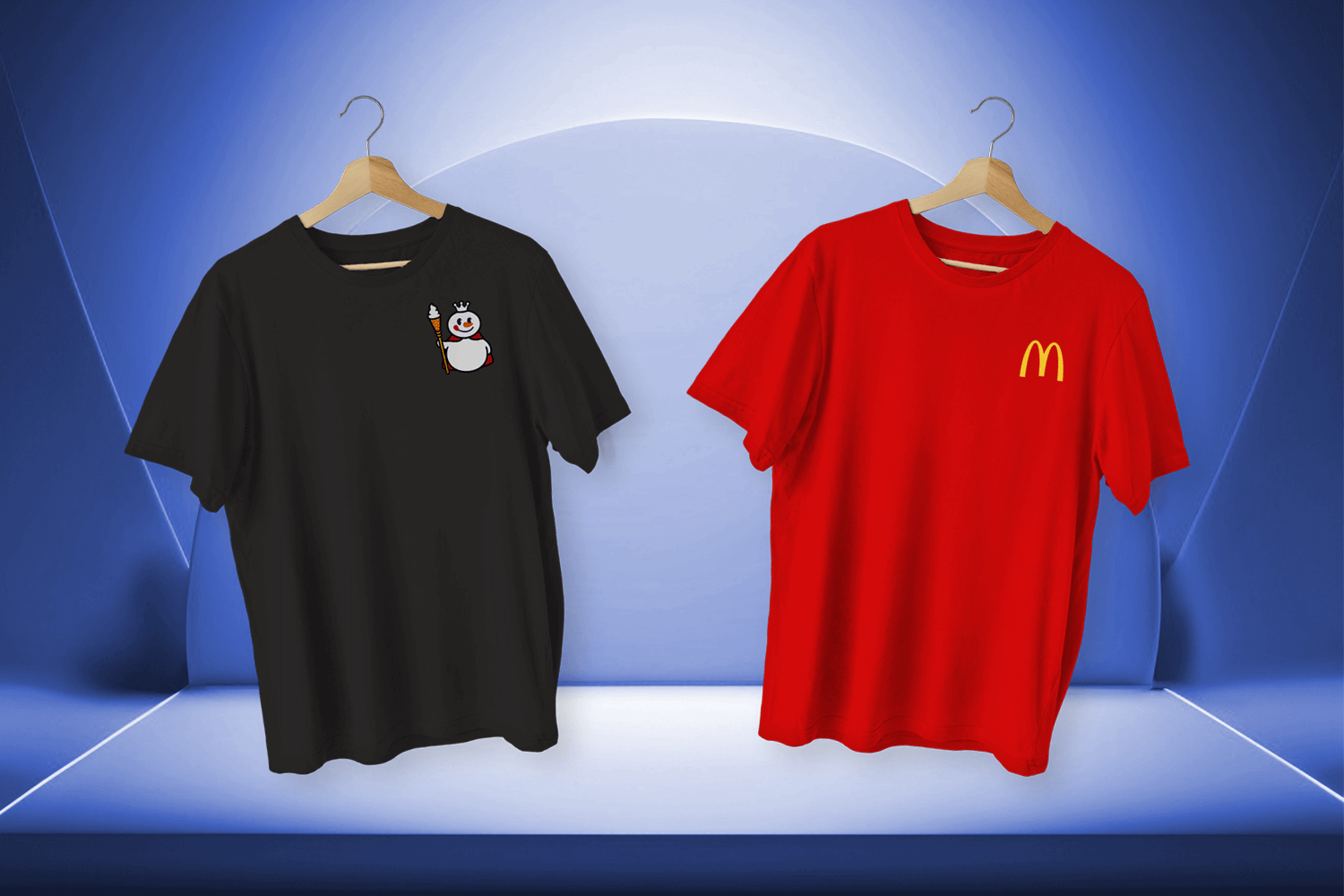
Beyond individual retail customers, corporate clients and small-to-medium enterprises (SMEs) represent a substantial market segment for printing businesses.
You’ll find that businesses like Texco have successfully tapped into this segment by offering specialized equipment like DTF and sublimation printers for diverse textile applications.
Let’s investigate how you can attract corporate clients. Focus on providing comprehensive solutions including business consultations and technical support – these services are highly valued by SMEs.
Consider offering flexible payment plans and warranties. They’re game-changers for businesses looking to scale their operations.
Target specific niches within the corporate sector. Think garment manufacturers, design firms, and businesses needing promotional merchandise.
Remember to emphasize quality certifications and sustainability practices. They’re increasingly important to modern corporate clients.
Maintaining your equipment at stable temperatures between 68-77°F helps ensure consistent print quality and minimizes costly downtime for your corporate customers.
Community and Educational Institution Segment
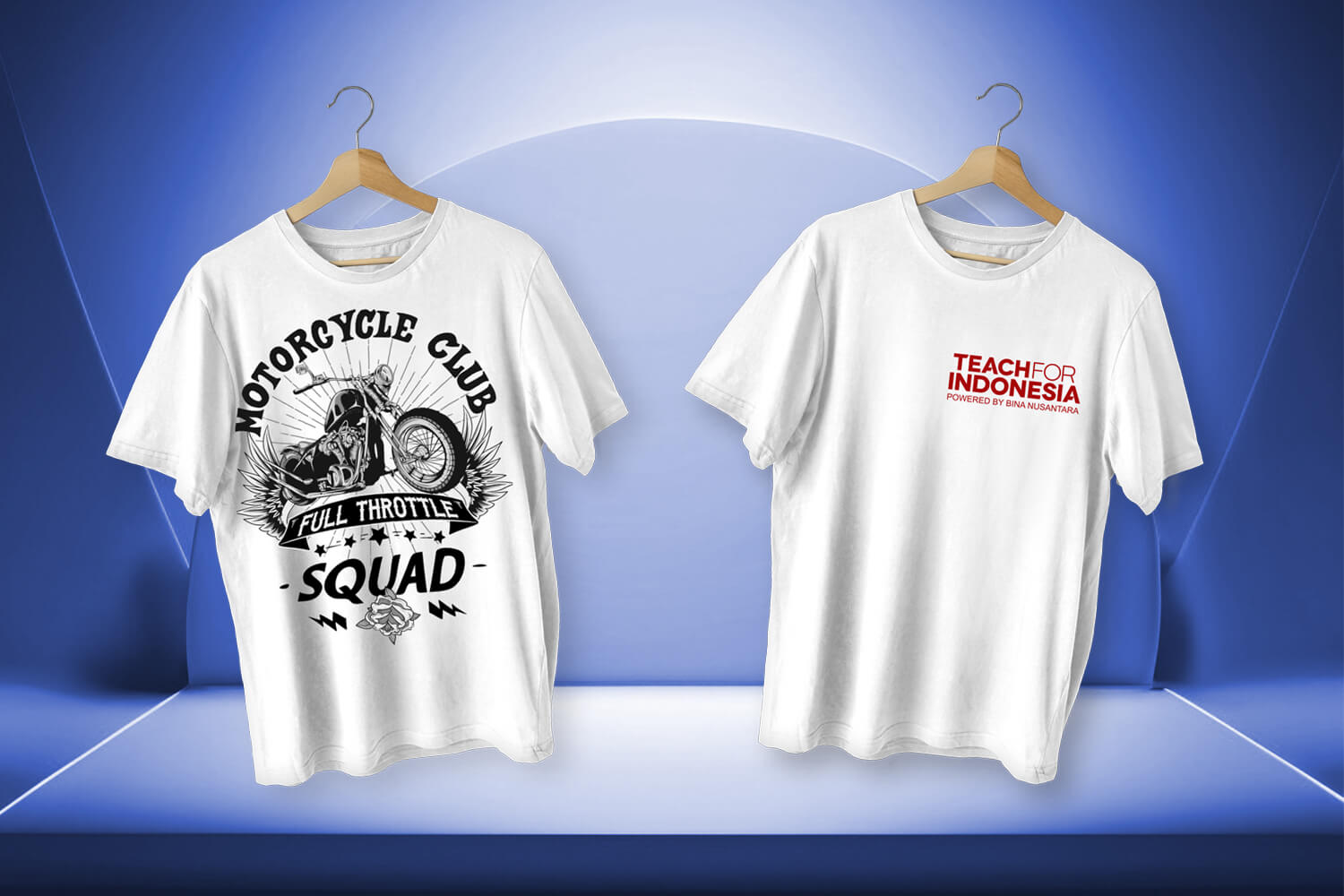
While corporate clients propel significant revenue, community organizations and educational institutions represent an often-overlooked yet profitable market segment. You’ll find plenty of opportunities to serve their diverse printing needs with Texco’s versatile solutions.
These institutions often need:
- DTG printing for school uniforms, club merchandise, and event t-shirts
- Sublimation printing for sports jerseys, banners, and promotional materials
- Direct-to-fabric printing for theater costumes and ceremonial garments
- DTF printing for multi-material applications in student projects and exhibitions
For optimal results when creating sports jerseys and team uniforms, use fabrics with polyester content 70% or higher to ensure vibrant, long-lasting prints.
You can utilize Texco’s comprehensive support services to help these organizations maximize their printing potential. Their free business consultations and operator training are particularly valuable for educational institutions with rotating staff.
Consider offering special payment plans and educational discounts to build long-term relationships with these clients.
Marketing Strategies for Printing Products
Your success in the printing business depends heavily on how you market your products and connect with potential customers. You’ll want to build a strong social media presence while partnering with resellers who can expand your reach into new markets and attending industry events where you can showcase your printing capabilities. Consider offering loyalty programs and early-bird discounts that’ll encourage repeat business, especially since the printing industry thrives on long-term client relationships.
Social Media Promotion
Since social media platforms offer incredible reach at minimal cost, they’re perfect for showcasing your printing business’s capabilities. You’ll want to focus on visual platforms where your work can truly shine.
Let’s investigate four key strategies to maximize your social media impact:
- Post daily samples of your best textile prints, especially those created with your DTG and sublimation printers
- Share behind-the-scenes content showing your printing process and quality control measures
- Create quick tutorials demonstrating specialized techniques like heat transfer applications
- Engage with potential clients by responding to comments and offering free consultations
Remember to highlight your sustainable practices and Oeko-Tex certification. These green credentials will help you stand out in today’s environmentally conscious market.
You might consider partnering with local designers to expand your reach and showcase real-world applications.
Collaborating with Resellers
Building a network of resellers can dramatically expand your printing business’s reach beyond local markets. You’ll want to partner with businesses that already have established customer bases.
Start by offering resellers attractive wholesale pricing on your printing services. Consider providing them with a 30-40% margin on standard products.
Let’s investigate what makes a strong reseller program. You’ll need to provide marketing materials, product catalogs, and technical specifications for your printing capabilities.
Consider offering training sessions on your printing technologies like DTF, DTG, and sublimation processes. This helps resellers understand your products better.
Don’t forget to create a clear reseller agreement. Include pricing structures, minimum order quantities, and delivery timeframes.
Support your resellers with sample products and promotional materials. They’ll become more confident in selling your printing services.
Participating in Events
Trade shows and industry events provide powerful opportunities to showcase your printing capabilities directly to potential customers. They’re perfect venues to demonstrate your latest printing technology and connect with industry peers.
You’ll want to maximize your event participation with these proven strategies:
- Set up live demonstrations of your DTF and sublimation printing processes to attract curious attendees
- Display diverse samples spanning sportswear, textiles, and promotional items
- Offer exclusive event-only discounts on printing packages and equipment
- Schedule free business consultations right at your booth
Remember to bring your heat transfer samples and eco-friendly certification details. These tangible proofs of quality will help you stand out.
Your event presence should highlight both your technical expertise and commitment to customer support. It’s your chance to excel as an industry innovator.
Discounts for Loyal Customers
Rewarding loyal customers helps create lasting business relationships while boosting your printing company’s revenue.
You’ll want to implement a tiered rewards system based on purchase frequency and volume. Consider offering 5-15% discounts on bulk orders of printing supplies and materials.
For your dedicated clients who’ve been with you for over a year, provide exclusive perks like priority scheduling and free consultations on new printing technologies.
Let’s examine some proven loyalty program ideas. You can offer points for every purchase that customers can redeem for premium sublimation inks or heat transfer paper.
Consider creating a VIP membership that includes quarterly maintenance checks on their printing equipment and early access to new product launches.
Don’t forget to track customer preferences and purchasing patterns to personalize your discount offerings effectively.
Setting the Product Price
You’ll need to start by carefully tracking your production costs, including materials, equipment, labor, and overhead, to set competitive yet profitable prices. Taking time to research what your competitors charge for similar products will help you position your pricing strategy effectively in the market. For larger orders, you can offer tiered discount rates that encourage bulk purchases while maintaining healthy profit margins.
Calculating Production Costs
Three key factors determine your production costs in the printing business: materials, labor, and overhead. You’ll need to track these carefully to maintain profitability.
Let’s break down your essential cost calculations:
- Material costs: Calculate ink usage per square meter, transfer paper quality, and fabric type pricing
- Equipment expenses: Factor in printer depreciation, maintenance costs, and power consumption
- Labor requirements: Include operator hours, technical support time, and design work
- Overhead allocation: Consider rent, utilities, and insurance costs per production unit
You’ll want to implement proper tracking systems from day one. Modern textile printing equipment like Texco’s DTG and sublimation printers can help optimize your material usage.
Remember to account for seasonal fluctuations in material prices. Your production costs will vary based on order volumes.
Comparing Competitor Prices
After understanding your production costs, smart pricing research becomes your next strategic move.
You’ll want to analyze what local competitors are charging for similar printing services. Check their websites and request quotes for comparable products.
Don’t forget to research both traditional print shops and digital-first businesses like Texco that offer DTG and sublimation services.
Pay special attention to competitors’ pricing for different volume tiers and rush orders. You’ll often find significant variations.
Consider the value-added services they’re bundling too. Are they offering free consultations or extended warranties like Texco’s 12-month support package?
Remember that the lowest price isn’t always the best strategy. Your unique service quality and turnaround times might justify premium pricing.
Create a simple spreadsheet to track these competitor insights. It’ll help you position your prices strategically.
Offering Discounts for Bulk Orders
Strategic bulk discounts can transform casual customers into loyal repeat buyers while boosting your overall revenue. You’ll want to structure your pricing tiers thoughtfully to maintain profitability.
Let’s investigate four effective bulk discount strategies for your printing business:
- Offer 10-15% off for orders exceeding 100 pieces of custom-printed garments
- Provide complimentary heat transfer paper with bulk sublimation print orders
- Create package deals combining DTF and DTG services for diverse material needs
- Set up volume-based loyalty programs with increasing discount tiers
You’ll need to calculate your margins carefully before setting discount rates. Start with modest discounts and adjust based on customer response.
Consider offering seasonal promotions to test different discount structures. Track which offers generate the most repeat business.
Preparing Equipment
You’ll need to start with choosing between a DTF or DTG printer based on your target market’s fabric needs, along with high-quality inks that match your printer type. Next, you’ll want to invest in a reliable heat press machine, which is essential for transferring designs onto garments. Don’t forget to stock up on materials like transfer papers, blank garments, and protective sheets that you’ll use regularly in production.
DTF or DTG Printer

Choosing between DTF and DTG printers marks your first major equipment decision in the textile printing business. You’ll want to reflect on your target market and materials carefully.
DTF printers offer amazing versatility for both natural and synthetic fabrics. They’re perfect if you’re planning to work with multiple materials.
Let’s examine the key differences between these technologies:
- DTF works on virtually any fabric while DTG excels mainly on cotton
- DTF requires transfer film and powder, but DTG prints directly on garments
- DTF has lower maintenance costs and fewer print head clogs
- DTG provides slightly better detail on cotton but costs more to operate
You’ll find DTF printing is generally more beginner-friendly. It’s becoming increasingly popular among new business owners for its flexibility and ease of use.
Remember to factor in your budget and production volume when making this choice.
Ink
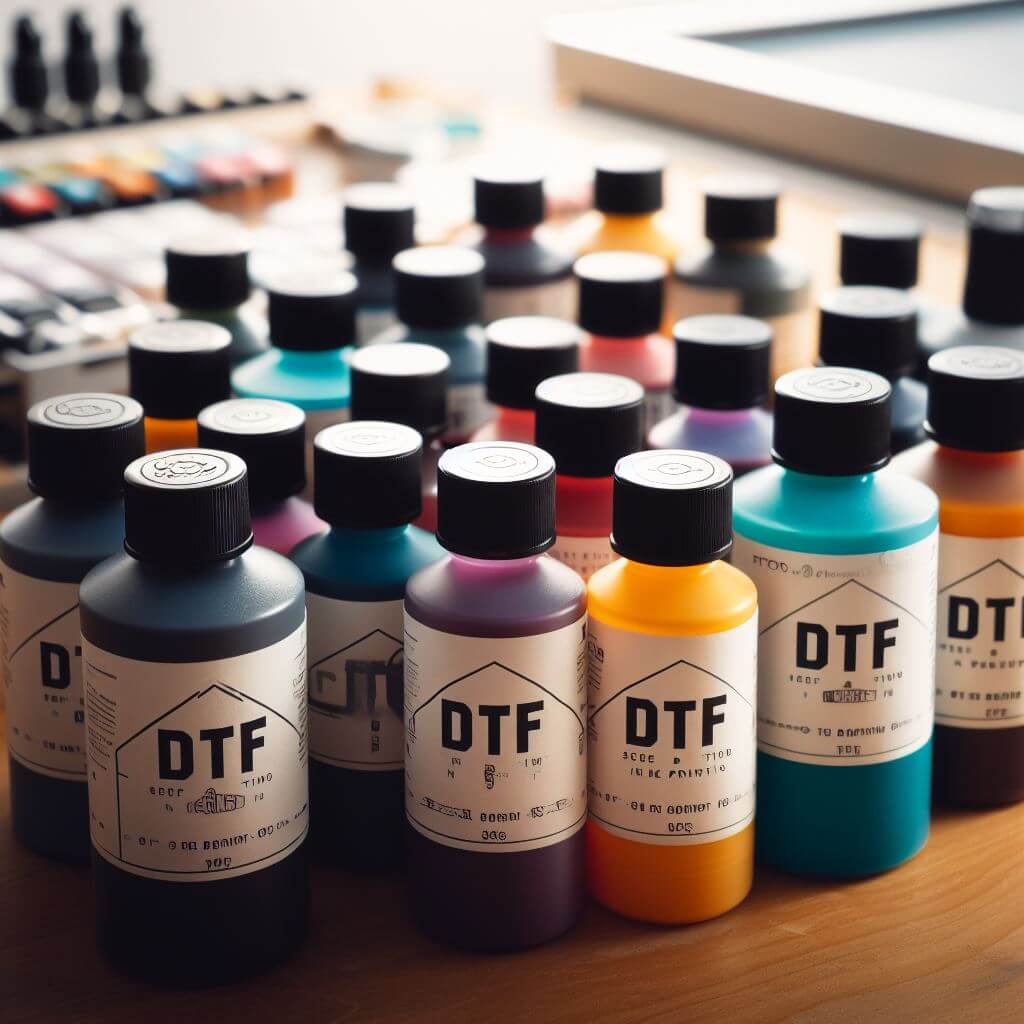
The right ink makes or breaks your textile printing success. You’ll need specialized inks matched to your printing system and fabric types.
For sublimation printing, you’ll want high-quality sublimation inks that transfer smoothly onto polyester materials. These inks turn into gas when heated, ensuring vibrant colors.
DTF printing requires specific DTF inks with excellent adhesion properties. They’re designed to work with transfer films and various fabric types.
If you’re using DTG systems, choose inks formulated for cotton fabrics. Look for Oeko-Tex certified options for eco-friendly production.
Your ink choice affects color vibrancy, washability, and production costs. Consider investing in bulk quantities from reputable suppliers.
Remember to store your inks properly in a temperature-controlled environment. This extends their shelf life and maintains print quality.
Heat Press Machine
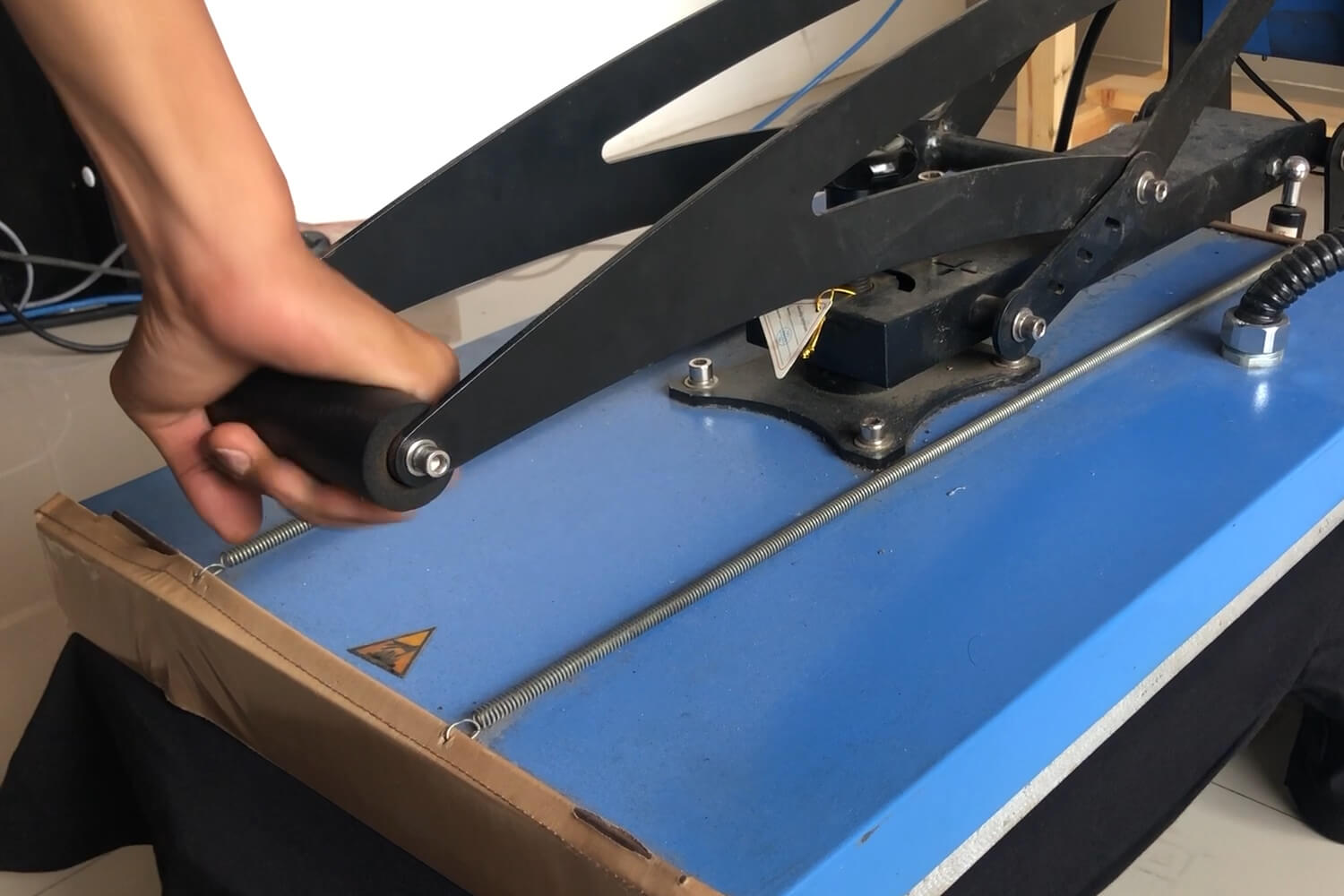
A reliable heat press machine forms the backbone of any successful textile printing operation. You’ll need this essential equipment to permanently bond designs onto fabrics through heat and pressure.
Let’s investigate the key features you should look for in a quality heat press:
- Temperature range of 0-400°F for versatile material compatibility
- Digital time and temperature controls for precise adjustments
- Even pressure distribution across the heating plate
- Auto-release function to prevent over-pressing
You’ll want to invest in a machine that matches your production volume. A 15×15 inch press works well for most startups.
Remember that different materials require specific heat settings. You’ll need to master these settings through practice and documentation.
Don’t skimp on quality here – a dependable heat press will save you countless headaches down the road.
Materials

Successful printing starts with gathering the right materials and supplies for your specific printing method.
For sublimation printing, you’ll need high-grade transfer paper and specialized sublimation inks designed for polyester fabrics.
DTF printing requires specific direct-to-film materials and powder adhesives to guarantee proper transfer onto various fabric types.
If you’re doing DTG printing, stock up on pretreatment solutions and textile inks optimized for cotton-based materials.
Let’s investigate the eco-friendly options available. Look for materials with Oeko-Tex certification to maintain sustainable practices.
You’ll want to keep a steady supply of your most-used fabrics on hand. This includes polyester for sportswear, cotton for apparel, and specialty materials like silk or linen.
Don’t forget backup supplies. Running out mid-project isn’t fun – trust me on this one.
Tips for Successful Printing Business Sales
You’ll need more than just great equipment to succeed in the printing business – it’s all about delivering consistent value to your customers. By focusing on quality work, timely delivery, excellent service, innovative products, and strong marketing networks, you’re setting yourself up as a reliable partner rather than just another vendor. Whether you’re working with sublimation printing for sportswear or DTG for custom t-shirts, your success depends on building trust through professional excellence and staying current with market demands.
Maintain Quality and Timeliness
Maintaining consistently high print quality while meeting deadlines will make or break your printing business reputation. You’ll need robust quality control systems and efficient time management.
Let’s investigate four essential practices to keep your standards high:
- Calibrate your printers daily and run test prints before large batches to guarantee consistent color accuracy
- Build in buffer time for unexpected issues – aim to complete jobs 24 hours before deadlines
- Document every print specification, including material types and printer settings for repeatability
- Inspect finished products under proper lighting conditions using quality control checklists
You’ll want to invest in high-grade materials like Texco’s specialized transfer papers and inks. Keep in mind that quality control isn’t just about the final product – it’s about creating reliable processes.
Keep detailed records of any production issues to prevent future problems.
Provide Excellent Customer Service
While technical expertise is essential, delivering outstanding customer service sets successful printing businesses apart from the competition.
Take a cue from industry leaders like Texco by offering free business consultations and comprehensive support services. You’ll build trust and long-term relationships with your clients.
Make sure you’re always accessible through multiple communication channels. Respond promptly to inquiries and provide clear timelines for project completion.
Consider implementing warranties and after-sales support like Texco’s 1-year guarantee and technical assistance programs. These services demonstrate your commitment to customer satisfaction.
Train your staff to understand various printing technologies and applications. They should confidently explain the differences between DTG, DTF, and sublimation printing to help customers choose the right solution.
Document customer preferences and printing histories to anticipate their needs and provide personalized recommendations.
Innovate Products Regularly
Successful printing businesses stay ahead of market trends by regularly introducing fresh products and innovative printing techniques.
You’ll want to investigate emerging technologies and market demands to keep your offerings competitive. Let’s look at some key innovation strategies:
- Invest in versatile printing systems like DTF and sublimation printers that handle multiple materials
- Develop eco-friendly printing solutions using sustainable inks and materials
- Create custom product packages combining printing with complementary services
- Test new specialty items like personalized sportswear or home textiles
Don’t forget to gather customer feedback about new products you’re considering. You’ll need to balance innovation with practical business sense.
Keep an eye on industry certifications like Oeko-Tex that can differentiate your business. Your customers will appreciate staying current with market trends.
Expand Your Marketing Network
Building a robust marketing network is essential for your printing business’s long-term growth and sustainability. You’ll need to connect with both suppliers and potential clients to create a thriving ecosystem.
Start by reaching out to textile manufacturers and design houses in your area. They’re always looking for reliable printing partners.
Consider offering free business consultations like Texco does. It’s a great way to showcase your expertise and build trust.
Don’t forget to utilize digital platforms. Create a strong social media presence to display your printing samples and client testimonials.
Partner with complementary businesses such as fashion designers or advertising agencies. They can become valuable sources of referrals.
Join industry associations and attend trade shows. You’ll stay updated on market trends while expanding your professional network.
Remember to maintain relationships through regular follow-ups and quality service delivery.
Conclusion
Starting a printing business requires careful planning and strategic investments in the right equipment and expertise. You’ll need dedication and the right mindset to succeed in this competitive industry.
Let’s recap the essential elements for your printing business success:
- Choose quality equipment like Texco’s DTF, DTG, or sublimation printers based on your target market
- Invest in comprehensive training and technical support to maximize your equipment’s potential
- Build a sustainable business model with eco-friendly practices and necessary certifications
- Develop strong client relationships through excellent service and consultative selling
You’re now equipped with the knowledge to launch your printing venture. Remember to stay innovative and adapt to market trends while maintaining quality standards.
Consider starting with one printing method and expanding as you grow.
Paying a high price for a consultation?
No need! We’ve got you covered with Business Consultation with our Business Development Team.