
8 Tips for Choosing the Right Hijab Printing Machine

When choosing a hijab printing machine, you’ll want to match the technology to your fabric types – polyester works best with sublimation while cotton needs DTG printing. Look for printers delivering at least 1200 dpi resolution for crisp Islamic patterns and guarantee production capacity meets your needs (typically 20-30 pieces per hour). Don’t forget to factor in operational costs, maintenance support, and print quality consistency. Your choice of machine will shape your business’s success in the competitive hijab market.
8 Tips for Choosing the Right Hijab Printing Machine
Choosing the right hijab printing machine can transform your textile business into a thriving enterprise. The perfect machine balances print quality, speed, and fabric compatibility to deliver stunning results that meet market demands.
1. Understand the Different Hijab Fabric Types

The foundation of successful hijab printing starts with understanding your fabric types.
You’ll encounter polyester-based hijabs most frequently in digital hijab printing solutions. They’re perfect for sublimation printing machines, offering vibrant colors and excellent durability.
Cotton-blend hijabs require a different approach. You’ll want to use DTG printing technology for these materials to guarantee proper ink absorption and color fastness.
For silk and premium materials, direct-to-fabric printers provide the best results. They’re ideal when you’re working with delicate fabrics that need gentle handling.
Remember that each textile printing machine type serves a specific fabric purpose. Matching your machine to the right material guarantees your hijab printing business succeeds.
Popular fabrics like Wolfis and chiffon are particularly well-suited for sublimation printing due to their high polyester content and elegant draping qualities.
2. Check the Printing Resolution for Sharp Results
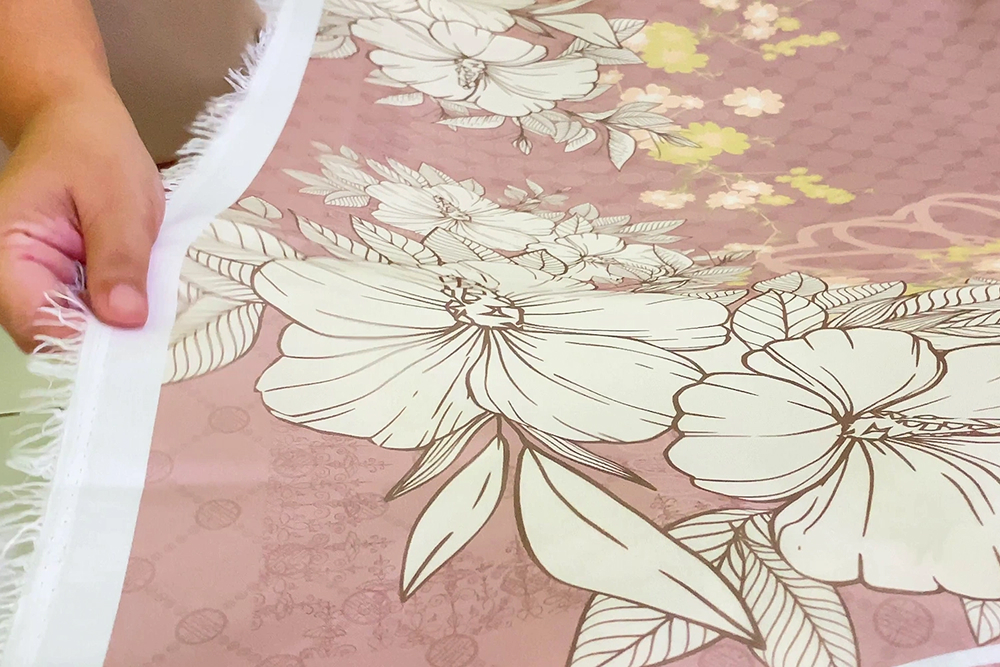
Print quality starts with selecting the right resolution for your hijab designs.
You’ll want a high-resolution textile printer that can deliver at least 1200 dpi for crisp patterns and text on your fabrics.
The best hijab printing machine should handle fine details, especially for intricate Islamic patterns and calligraphy.
Today’s digital textile printer technology offers resolutions up to 2400 dpi, perfect for premium hijab production.
Consider how fabric printing technology affects color vibrancy and edge definition. Look for printers with variable droplet sizes.
You’ll notice the difference in quality when your designs show smooth gradients and sharp borders.
For optimal results on polyester hijabs, machines like the Epson SC-F7270 can achieve 720 x 720 resolution while maintaining impressive production speeds.
Test print samples before making your final decision.
3. Evaluate Speed and Production Capacity
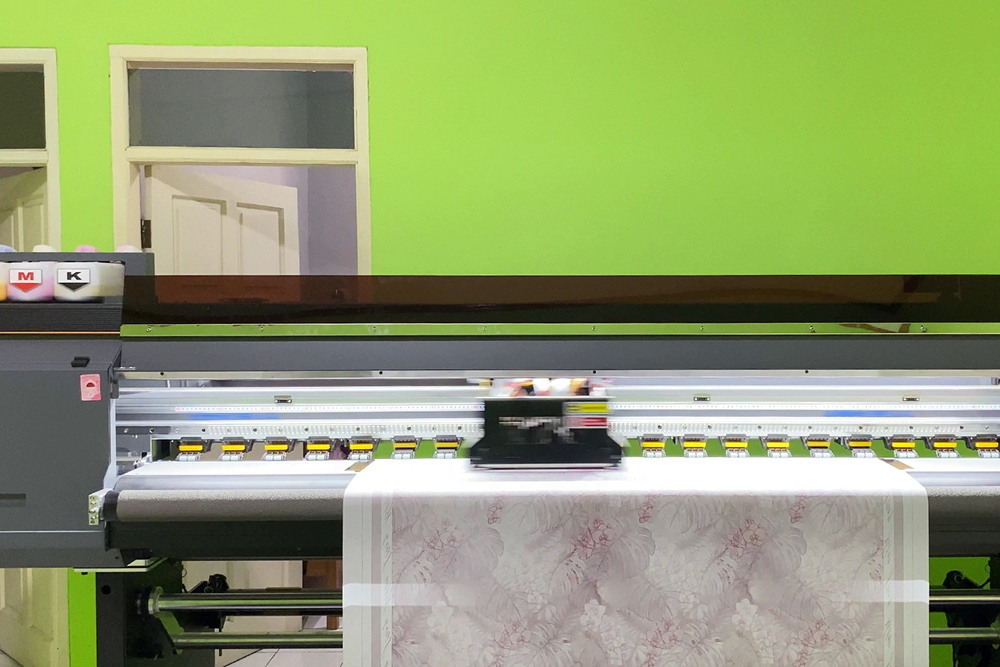
Scaling your hijab printing business requires careful attention to production speeds and daily output capacity.
You’ll want to evaluate fast hijab printers that can handle your growing demand. An industrial hijab printer typically produces 20-30 pieces per hour.
Look for high-speed textile printers with multiple print heads for increased efficiency. These machines can significantly boost your daily output.
Don’t forget to calculate your cost-effective hijab printing needs. Match your printer’s capacity to your actual production goals.
Assess Texco’s DTF and sublimation printers that offer scalable speeds. They’re perfect for both small batch runs and larger production volumes.
Remember to factor in maintenance downtime when estimating your daily capacity needs.
Advanced printers like the Epson SC-F10030 can achieve impressive speeds of up to 255 square meters per hour for high-volume production runs.
4. Consider Additional Features for Efficiency
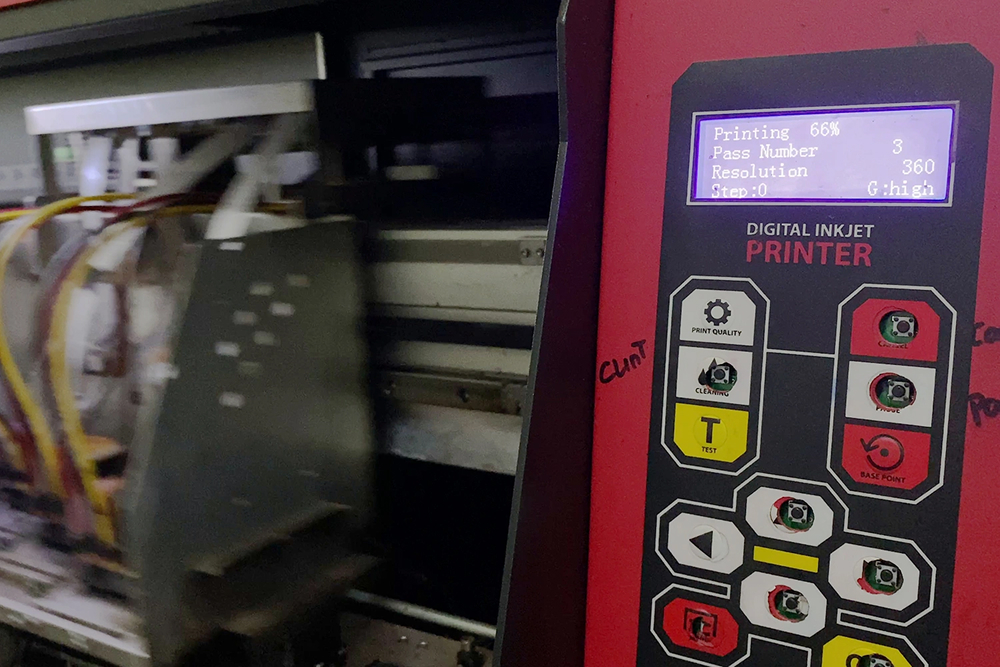
While focusing on speed and capacity is essential, modern hijab printing machines come with smart features that’ll boost your workflow efficiency. When consulting with your professional hijab printer supplier, look for these advanced textile printing capabilities:
- Automatic fabric tension control systems that prevent wrinkles and guarantee consistent heat transfer hijab printing
- Smart color management software that saves your most-used designs and color profiles
- Built-in maintenance alerts and diagnostic tools that help prevent production delays
You’ll want these efficiency features to streamline your operations. Modern machines from reputable suppliers combine these smart technologies with user-friendly interfaces, making your printing workflow smoother and more productive. With low power consumption starting from 7000 watts, these machines help maintain efficient operations while keeping energy costs manageable.
5. Analyze Operational Costs and Profitability

Before investing in a hijab printing machine, you’ll need to carefully calculate the total operational expenses against your projected revenue.
For sublimation printing, factor in ongoing costs like specialty inks, transfer paper, and maintenance. Your commercial textile printer’s energy consumption will impact monthly utilities.
Consider how many hijabs you’ll need to print daily to break even. Low-cost hijab printing methods like DTF can offer better margins for startups.
Don’t forget to include training costs and maintenance fees. Texco’s 12-month technical support package can help reduce unexpected expenses.
Your hijab production equipment should deliver consistent quality while maintaining healthy profit margins.
The Ecojet Nova A1 offers an economical entry point for beginners while maintaining essential features for profitable production.
6. Choose a Machine with Reliable Technical Support

Technical support can make or break your hijab printing business. When investing in industrial fabric printers for your high-quality fabric printing operation, you’ll need reliable assistance to maintain smooth production.
Texco offers comprehensive support for your printing technology for hijabs, including:
- Free on-site installation and operator training to perfect your hijab printing process
- 12 months of technical assistance to quickly resolve any issues
- Regular maintenance checks to guarantee peak printer performance
You’re not just buying a machine – you’re gaining a business partner. Their team of experts will help you maximize your printer’s capabilities and keep your production running efficiently.
7. Look for Sustainable and Eco-Friendly Options

In today’s environmentally conscious market, choosing an eco-friendly hijab printing machine isn’t just good for the planet – it’s good for business.
Look for machines with certifications like Oeko-Tex that guarantee sustainable textile printing practices and safe ink formulations for hijabs.
You’ll want to take into account eco-friendly textile printing systems that minimize water usage and reduce chemical waste. Texco’s DTF and sublimation printers are excellent examples.
When selecting the best fabric printer for hijabs, check if it uses water-based textile ink. These inks are safer for both the environment and your customers’ skin.
Remember that sustainable practices can help you attract environmentally conscious buyers while maintaining high-quality prints.
Selecting machines that support sustainable materials management can help reduce environmental impacts while recovering economic value through efficient resource use.
8. Test the Machine Before Making a Purchase

Making the right choice requires hands-on experience with your potential hijab printing machine. You’ll want to evaluate the printer’s performance firsthand before investing.
When testing a direct-to-fabric printer or textile printer for hijabs, focus on these key aspects:
- Print a sample using your preferred fabric to assess color vibrancy and detail quality
- Check the machine’s ease of use, including software interface and loading mechanisms
- Time the printing process to calculate your potential production capacity
Remember that most suppliers like Texco offer demonstration sessions. You’ll get valuable insights into customized hijab printing workflows and can compare different models side-by-side.
Modern sublimation printers with dual drying technology can significantly improve production efficiency and print quality for your hijab business.
Why Choosing the Right Hijab Printing Machine Matters
The right hijab printing machine can make or break your success in today’s competitive Islamic fashion market. A well-chosen printer delivers stunning designs that capture customer attention while maximizing production efficiency and minimizing costs.
The Importance of Quality in a Competitive Hijab Market

Success in today’s competitive hijab market depends heavily on print quality and design precision. You’ll need a wholesale hijab printing machine that delivers colorfast results consistently.
Your hijab manufacturing machine choice impacts your brand’s reputation and customer satisfaction. High-quality prints help you stand out from competitors.
Here’s what quality printing brings to your hijab business:
- Vibrant, long-lasting colors that maintain their appeal even after multiple washes
- Precise detail reproduction for intricate hijab design printing patterns
- Consistent output quality that builds customer trust and encourages repeat orders
Quality equipment helps you meet growing market demands while maintaining premium standards.
Modern sublimation technology printers deliver exceptional color vibrancy and precision needed for custom hijab designs.
How the Right Machine Improves Production Efficiency
Beyond print quality, selecting the proper hijab printing machine directly affects your production speed and bottom line.
When you’re running a hijab fabric printing business, every minute counts. Digital fashion printing systems like DTF and sublimation printers can process multiple pieces simultaneously.
You’ll notice dramatic improvements in your workflow with garment printing machines designed for continuous production. Modern automation features reduce manual labor and minimize errors.
The right equipment lets you transition smoothly between different hijab designs without lengthy setup times. Hijab production automation means you can fulfill more orders while maintaining consistent quality.
Choose a machine that grows with your business needs and matches your production volume expectations.
High-quality materials and reliable printing equipment are essential for maintaining consistent product quality and customer satisfaction in Indonesia’s competitive market.
Conclusion
Selecting the right hijab printing machine requires careful consideration of your specific business needs and production goals. From dye sublimation printing to automatic hijab printing systems, you’ll find options that match your requirements.
Here are the key factors to remember when making your final decision:
- Choose between best sublimation printer for hijabs or DTF systems based on your fabric types
- Consider a heat press for hijabs that matches your production volume
- Make certain your supplier offers comprehensive support and training
Our High Calibre Business Development team is also ready to assist in selecting the right printing machine for your hijab products.