
Polyester Thread for Sublimation: Durable & Vibrant
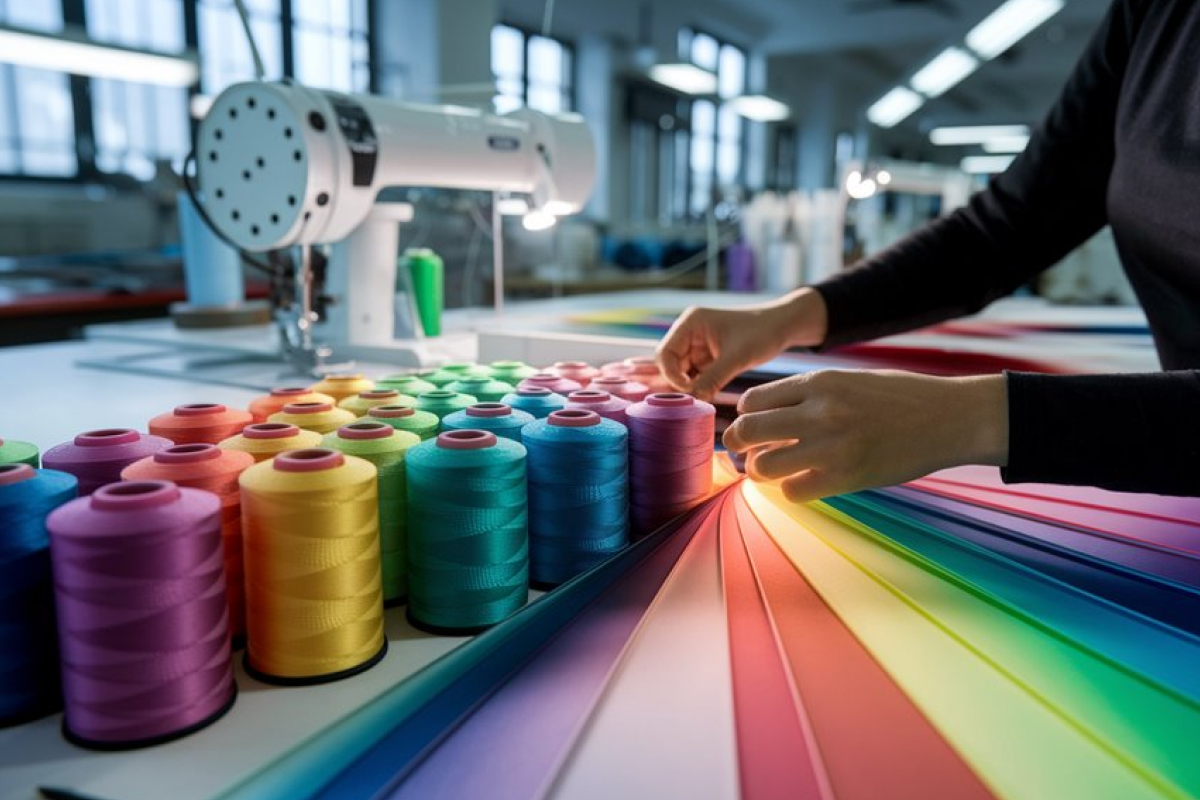
Polyester thread is your ideal choice for sublimation printing due to its exceptional durability and color retention properties. You’ll find it maintains shape and vibrancy even after multiple washes, thanks to its synthetic fibers that lock in dyes at a molecular level. It’s highly resistant to heat up to 350°F, chemicals, and UV rays while providing excellent stretch recovery. Let’s investigate how this versatile material can enhance your sublimation projects to professional quality.
What is Polyester Thread? Advantages of Polyester Yarn

Polyester thread stands as one of the most versatile synthetic fibers in modern textile manufacturing. Its remarkable durability and adaptability have revolutionized everything from everyday clothing to industrial applications.
1. Resistance to creases
One of polyester thread’s most celebrated qualities is its remarkable resistance to creasing and wrinkling.
You’ll love how this wrinkle-resistant thread maintains its shape even after heavy use or washing. It’s like having a built-in iron for your seams.
When you’re working on garments that need to stay crisp, polyester thread won’t let you down. It bounces back naturally from folds and creases.
This wrinkle-fighting property makes it perfect for active wear and travel clothing. Your finished pieces will look professional longer.
You’ll spend less time pressing and more time creating. The thread’s stability helps maintain your garment’s polished appearance through multiple wears.
Similar to Jersey fabric’s elasticity, polyester thread provides excellent stretch recovery while maintaining its crease-resistant properties.
2. Long-lasting color
In terms of vibrant, lasting color, polyester thread truly shines as a superior choice for sublimation printing.
You’ll notice that durable polyester thread maintains its color intensity even after multiple washes and extensive use. The synthetic fibers lock in dyes at a molecular level during the sublimation process.
When you’re working with colorfast thread, you won’t have to worry about fading or bleeding. Your designs will stay vibrant for years to come.
The color retention of polyester is particularly impressive in high-wear applications. You can expect your thread colors to remain true even after exposure to sunlight and regular laundering.
The thread’s excellent dye absorption comes from its unique chemical polymerization process that creates strong, synthetic fibers ideal for lasting color retention.
3. Competitive price
While many premium thread options exist, polyester thread stands out as a cost-effective choice for sublimation printing. You’ll find it’s significantly more affordable than specialized alternatives while delivering professional results.
The best thread for sublimation doesn’t have to break your bank. Here’s why polyester thread offers exceptional value:
- Bulk purchasing options reduce cost per spool
- Less waste due to consistent dyeing performance
- Longer shelf life than natural fiber alternatives
- Compatible with standard sublimation equipment you already own
You’re making a smart investment when choosing polyester thread for sublimation. It delivers premium quality without the premium price tag.
Modern high-capacity ink systems ensure consistent and cost-effective dyeing when using polyester threads for sublimation printing.
Characteristics of Polyester Yarn

Polyester yarn’s exceptional durability and heat resistance make it the perfect choice for sublimation printing.
You’ll find that high-tensile thread maintains its strength even under intense heat transfer conditions. The synthetic fibers won’t break down or lose shape during the sublimation process.
Your prints will benefit from polyester yarn’s natural resistance to wrinkles, shrinkage, and fading. The material’s molecular structure allows dyes to bond permanently.
The smooth surface of polyester yarn guarantees crisp, vibrant color reproduction. You’ll achieve consistent results across multiple wash cycles.
When properly sublimated, your designs become part of the fiber itself, creating long-lasting, professional-quality prints.
Modern heat press machines with oil heating systems ensure stable and efficient sublimation across wide textile surfaces.
Strength and Durability
Polyester thread’s exceptional strength makes it a powerhouse in sublimation printing. Its ability to withstand extreme conditions while maintaining structural integrity has revolutionized textile production.
1. Tensile strength
As a crucial factor in sublimation printing, tensile strength determines how well your thread holds up under stress and stretching. You’ll want a strong synthetic thread that can withstand the heat transfer process without breaking.
Your polyester sewing thread needs to maintain its integrity through:
- Continuous high-temperature exposure during sublimation
- Repeated washing and wear cycles
- Constant tension from everyday movement
- Various mechanical stresses during the sewing process
Let’s investigate why this matters: a thread with proper tensile strength guarantees your finished products won’t unravel or develop weak spots. You’ll achieve professional-quality results that last longer and maintain their appearance.
2. Resistance to heat
Since heat resistance plays an essential role in sublimation printing, you’ll need thread that maintains its structural integrity at high temperatures.
Your heat-resistant thread should withstand temperatures up to 400°F (204°C) during the polyester sublimation process without melting or weakening.
Look for threads specifically engineered for sublimation applications. They’ll retain their strength and shape when exposed to the intense heat required for dye transfer.
You’ll notice quality heat-resistant threads won’t shrink or lose their flexibility after repeated heat exposure. This durability guarantees your finished products maintain their professional appearance through multiple washes.
Choose threads that complement your sublimation workflow’s temperature requirements for peak results.
3. Crease resistance
Because crease resistance directly impacts your final product’s quality, polyester thread’s ability to resist wrinkling and maintain shape proves essential for professional sublimation printing.
You’ll find that sublimation-ready thread offers superior performance in maintaining garment structure. Your designs will stay crisp and professional-looking even after multiple washes.
Here’s why polyester for sublimation excels in crease resistance:
- Natural molecular structure that bounces back to shape
- Improved fiber memory that prevents permanent wrinkles
- Superior tensile strength compared to natural fibers
- Quick-drying properties that minimize moisture-related creasing
Choose polyester thread to guarantee your sublimated products maintain their professional appearance throughout their lifecycle.
Elasticity and Stiffness
Material elasticity and stiffness define how fabrics perform under stress and maintain their shape. These fundamental properties determine the success or failure of textile products, from everyday clothing to specialized technical materials.
1. Elasticity of polyester yarn
While polyester thread may look similar to other materials, its elasticity characteristics set it apart in sublimation printing. You’ll find that synthetic fiber thread offers unique stretching properties that improve your printing results.
Here’s what makes polyester thread’s elasticity special:
- Maintains shape after stretching up to 30% of its original length
- Returns to its original form without warping or distortion
- Provides consistent tension during the printing process
- Resists breaking under heat and pressure during sublimation
You’ll notice better print quality when using polyester thread because its elastic properties help maintain fabric stability throughout the transfer process.
2. Stiffness required in sublimation business
When working with sublimation printing, the right balance of stiffness in polyester thread proves crucial for achieving professional results.
You’ll need a dye-resistant thread that maintains its structure during the heat transfer process. The thread’s stiffness helps prevent warping and distortion.
Look for polyester thread with a medium-to-high stiffness rating. This guarantees your finished products keep their shape.
Your thread choice affects the final product’s drape and durability. Too flexible, and you’ll get uneven prints. Too stiff, and the fabric won’t flow naturally.
Test different thread tensions on sample pieces before starting large production runs.
Consider using vibrant sublimation prints on polyester materials for optimal color results and lasting quality.
Chemical Characteristics
Polyester thread stands as one of the most chemically resilient materials in the textile industry. Its exceptional stability against various substances makes it a cornerstone for both industrial applications and everyday use.
1. Resistance to chemicals
Since polyester thread is engineered for sublimation printing, it offers remarkable resistance to most chemicals and solvents. Industrial polyester thread maintains its integrity even under harsh conditions.
You’ll find that polyester thread excels in these resistance properties:
- Strong defense against acids and alkaline solutions commonly used in textile processing
- Excellent resistance to bleaching agents and oxidizing chemicals
- Won’t break down when exposed to common dry cleaning solvents
- Maintains color fastness despite repeated washing with detergents
This exceptional chemical resistance means your sublimation-printed designs will stay vibrant and durable through multiple cleaning cycles. You can confidently use these threads for projects requiring frequent washing.
2. Environmental effects on polyester yarn
Environmental conditions play an essential role in determining polyester yarn’s long-term performance and durability. You’ll find that modern polyester fiber production focuses on creating threads that withstand various environmental challenges.
Your polyester threads will maintain their integrity even when exposed to UV rays and moderate heat fluctuations. They’re particularly resistant to mold and mildew growth.
Today’s eco-friendly polyester manufacturing processes help reduce environmental impact without compromising durability. You’ll notice these threads don’t break down easily when exposed to moisture or humidity changes.
The material’s synthetic nature means it won’t support bacterial growth in damp conditions, making it ideal for outdoor applications.
Polyester Yarn Production Process
While textile manufacturing has evolved significantly over centuries, polyester yarn production follows a carefully orchestrated process that transforms raw petrochemical materials into versatile threads.
You’ll find wholesale polyester thread production fascinating with its modern innovations. The journey from raw material to finished polyester filament involves precise engineering.
Here’s how your thread comes to life:
- Chemical reaction between petroleum-based acids and alcohols
- Extruding molten polymer through tiny spinnerets
- Cooling and stretching the filaments to desired thickness
- Treating fibers with finishes for specific end-uses
This systematic process guarantees you’ll get consistent quality in every batch of thread.
Polyester Fiber Making

Creating polyester fiber transforms simple plastic pellets into versatile textile materials through an ingenious melting and extrusion process. The journey from PET pellets to printable fibers showcases modern manufacturing at its finest, combining precise temperature control with innovative engineering techniques.
1. Polymer manufacturing process
The creation of polyester thread begins with a fascinating chemical reaction between ethylene glycol and purified terephthalic acid. This process transforms these basic chemicals into the versatile polymer you’ll use for sublimation dye transfer.
You’ll find the polymer manufacturing process follows these essential steps:
- Esterification: Raw materials combine at high temperatures
- Polycondensation: Molecules link to form long chains
- Chip Formation: Molten polymer solidifies into pellets
- Melt Spinning: Pellets melt and extrude into filaments
These filaments will become your foundation for polyester fabric printing. The resulting threads offer exceptional durability and color retention for your textile projects. The PrecisionCore technology in modern Epson printers ensures optimal color transfer when printing on these polyester threads.
2. Polymer dyeing into yarn
After pellets transform into filaments, manufacturers begin the critical process of dyeing these polyester strands into vibrant, color-rich yarn.
The polyester dyeing process requires precision timing and temperature control. You’ll find that manufacturers heat the yarn to nearly 265°F (130°C) for ideal dye absorption.
At these high temperatures, the thread’s molecular structure temporarily opens up. This allows the dye to penetrate deep within the fibers.
You’re getting a superior product because this method creates colorfast, fade-resistant threads. The dye becomes permanently bonded to the polyester molecules.
Like specialized transfer paper rolls, this process ensures optimal color vibrancy and durability when printing on fabrics.
Let’s investigate how this high-temperature thread maintains its vibrancy even after multiple wash cycles.
Types of Polyester Yarn

Polyester yarn revolutionized the textile industry with its versatile applications and durability. This synthetic wonder has evolved into distinct varieties, each engineered for specific manufacturing needs and design possibilities.
1. Polyester filament yarn
Polyester filament yarn stands as a continuous, unbroken fiber manufactured through an extrusion process. When you’re looking for the best thread for printing, you’ll find it outperforms cotton thread in several ways.
Let’s investigate what makes this yarn special:
- Superior strength and durability compared to polyester vs cotton thread
- Exceptional color retention during sublimation printing
- Consistent diameter throughout the entire length
- Minimal lint production during high-speed operations
You’ll appreciate how these filaments maintain their integrity even under intense heat transfer conditions. They’re perfect for creating vibrant, long-lasting designs that won’t fade or break down easily.
2. Polyester multifilament yarn
Building on what we know about filament yarns, multifilament yarn takes things to the next level. You’ll find it’s made up of multiple ultra-fine filaments twisted together, creating a remarkably smooth and flexible thread.
When you’re working with sublimation-friendly fabrics, multifilament yarn offers superior dye absorption and color vibrancy. It’s the soft polyester thread you’ll want for premium results.
You’ll notice it’s significantly stronger than regular thread. The multiple strands work together to resist breaking and fraying.
The thread’s improved flexibility means less tension on your machine and smoother stitching through delicate materials.
Application of Polyester Yarn in Sublimation Business
When you’re diving into the sublimation printing business, starting with the right polyester thread makes all the difference. Your success depends on choosing materials that deliver vibrant, long-lasting results.
Let’s investigate how polyester thread improves your fabric sublimation projects:
- High heat resistance up to 350°F guarantees consistent color transfer
- Superior tensile strength prevents thread breakage during the pressing process
- Excellent dye absorption properties create rich, fade-resistant designs
- Versatile applications across sportswear, fashion, and home textiles
You’ll find that quality polyester thread transforms your sublimation projects from basic prints to professional-grade products. It’s an investment that pays off in customer satisfaction.
Advantages of Polyester Yarn in Sublimation
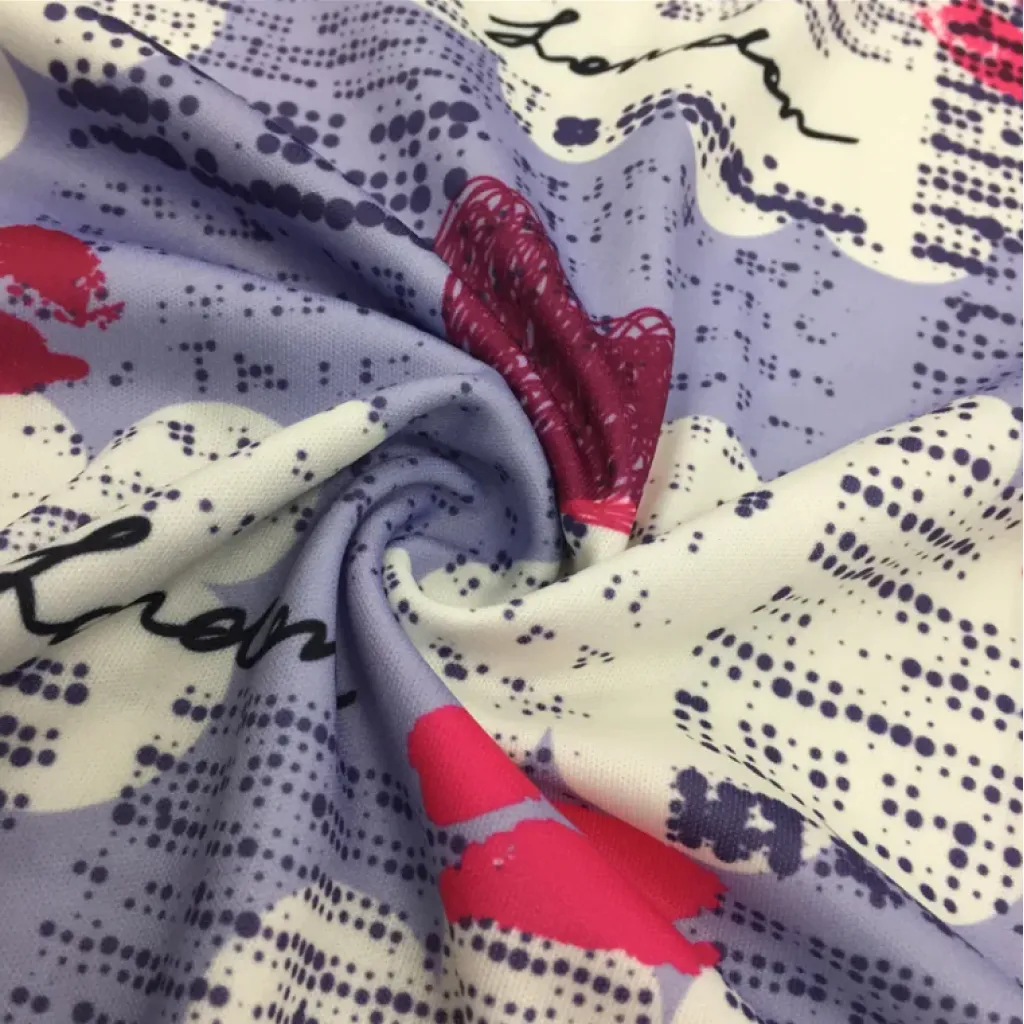
Sublimation printing reaches its full potential when paired with polyester yarn, creating stunning, long-lasting results. The unique properties of polyester make it the go-to choice for achieving vibrant designs that transform ordinary fabrics into extraordinary prints.
1. More durable sublimation results
Since polyester thread bonds molecularly with sublimation dyes, you’ll get significantly more durable prints that won’t crack, peel, or fade over time. Your embroidery thread becomes permanently infused with vibrant color.
The Oeko-Tex certified ink ensures environmentally-safe and stable printing performance while preventing clogging issues.
Here’s why your sublimation results last longer with polyester thread:
- The sublimation ink penetrates deep into the fiber structure
- Chemical bonding creates a wash-resistant color that won’t bleed
- UV-resistant properties prevent fading even with outdoor exposure
- The molecular fusion eliminates surface wear and tear common with coatings
You’ll achieve professional-grade durability that maintains its eye-catching appeal through countless washes and regular use.
2. Brighter and sharper colors
Polyester thread’s unique molecular structure creates amazingly vivid sublimation prints that pop with stunning clarity.
When you’re working with dye sublimation, you’ll notice polyester’s superior color absorption compared to natural fibers. The synthetic material’s smooth surface allows for incredibly sharp detail retention.
You’ll achieve vibrant hues that maintain their intensity even after multiple washes. The molecular bonding between the sublimation ink and polyester creates true-to-life colors.
The printing on polyester process lets you capture the finest gradients and most delicate patterns. Your designs will showcase remarkable color depth and definition that’s simply unmatched by other materials.
Want amazing results? Choose polyester thread for your next sublimation project.
Using modern UltraChrome DS ink technology ensures maximum color vibrancy when transferring designs onto polyester materials.
Process Sublimation on Polyester Material
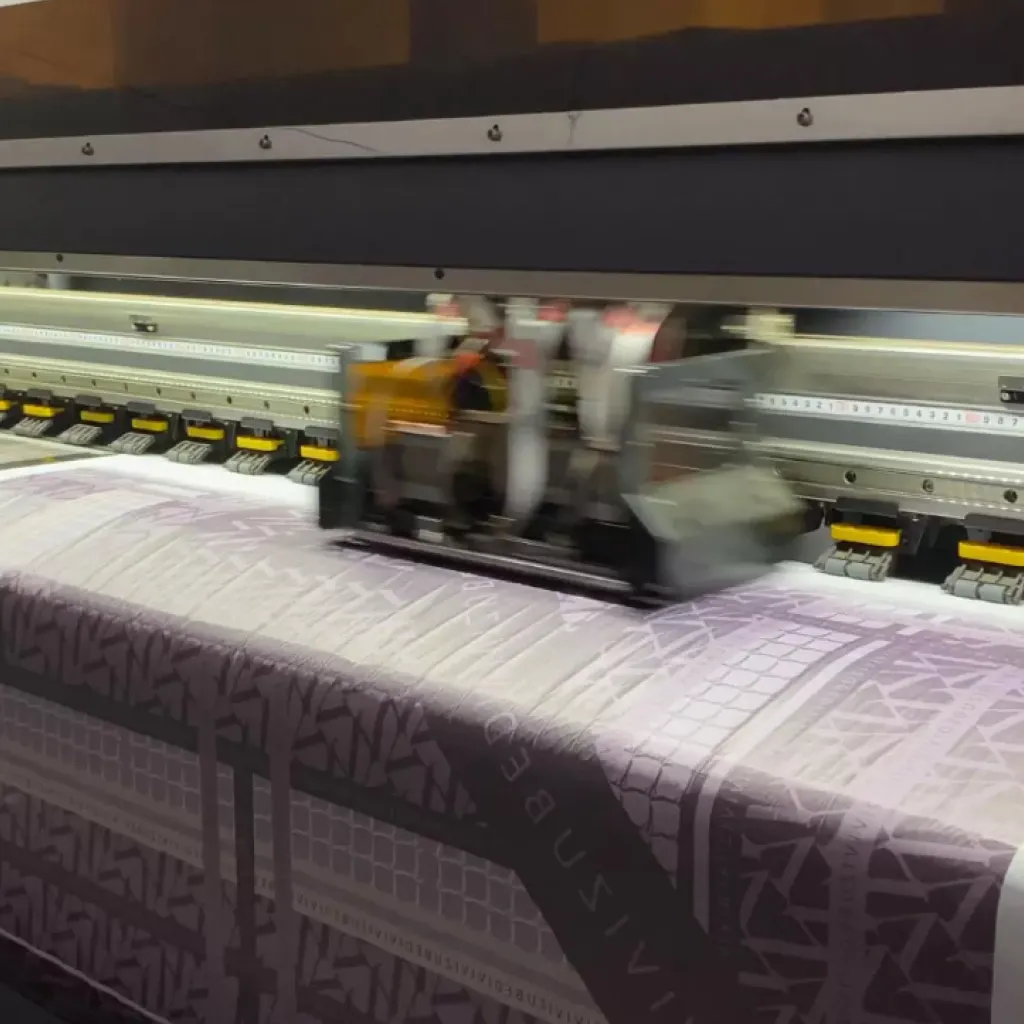
As you immerse yourself in sublimation printing on polyester, you’ll need to understand the core process that transforms your designs into vibrant, permanent prints. The textile printing thread comes alive through precise heat application.
Follow these essential steps for successful sublimation apparel production:
- Pre-press your polyester material for 5-10 seconds to remove moisture
- Position your transfer paper with the design facing down on the fabric
- Apply firm pressure at 380-400°F (193-204°C) for 45-60 seconds
- Let the material cool completely before handling
You’ll know you’ve succeeded when the colors appear rich and deeply embedded in the fabric.
Conclusion
Through mastering polyester thread sublimation, you’ll reveal vibrant designs that last. Your journey into textile manufacturing just got more exciting.
You’ve learned how the best ink for sublimation transforms your polyester threads into stunning creations. Now you’re equipped to tackle any project.
Remember that success lies in the details – temperature control, pressure settings, and timing are your allies.
You’re ready to create professional-grade designs that’ll make your products stand out. Whether you’re crafting sportswear or home décor, you’ve got the knowledge to excel.
Take these skills and start experimenting. Your textile printing adventure is just beginning.
With expert consultation services available, you’ll have continuous support to perfect your sublimation printing techniques.