
Trend Forecasting to Drive Textile Product Innovation

To drive textile innovation through trend forecasting, you’ll need to master multiple channels of insight. Start by immersing yourself in fashion sources like runway shows and street style while monitoring social media for emerging patterns. Partner with designers to gain fresh perspectives, adapt your materials to market demands, and create seasonal collections that resonate with your target audience. Understanding these key elements will open your path to successful textile innovation.
Key Takeaways
- Monitor fashion runway shows, magazines, and street style to identify emerging color schemes and design patterns early.
- Analyze social media platforms for real-time consumer preferences and trending styles in textile products.
- Partner with fashion designers to develop innovative textile patterns and gain technical insights into fabric applications.
- Adapt material choices based on market segments, focusing on durability, comfort, and eco-friendly options.
- Create seasonal collections that align with consumer demands while incorporating forecasted color and pattern trends.
Identifying Current and Emerging Fashion Trends

How can you stay ahead in the dynamic world of fashion? It starts with mastering trend forecasting to anticipate what’s next.
You’ll need to immerse yourself in various fashion sources to spot emerging patterns. Study runway shows, fashion magazines, and street style photos.
Let’s investigate the key indicators you should monitor. Watch for recurring color schemes, silhouettes, and pattern motifs across multiple designers.
Social media platforms like Instagram and Pinterest have become powerful trend prediction tools. You’ll find early signals of upcoming styles through influencer content and fashion-forward consumers.
Don’t forget to analyze buying patterns in your target market. Track which designs are selling well and which colors resonate with your customers.
Remember that successful trend forecasting combines data analysis with creative intuition. Your ability to interpret these signals will drive innovation in your textile products.
Strategic Collaborations with Designers

When you’re looking to improve your textile designs, partnering with talented fashion designers can transform your creative process.
These collaborations open doors to fresh perspectives and market insights. You’ll gain direct access to designers’ deep understanding of current color palettes and emerging style trends. Their expertise helps shape collections that resonate with your target audience.
Let’s investigate how these partnerships work in practice. Designer collaborations can lead to unique pattern developments and innovative textile applications.
Moving on to the practical benefits, you’ll find that professional designers bring technical knowledge about fabric behavior and printing techniques.
They’ll help you create designs that work seamlessly across different materials.
Have you noticed how designer collaborations often result in standout collections? That’s because they combine your production expertise with their creative vision.
Adapting Printing Materials to Market Demands

Understanding market demands helps you select the right printing materials for your textile products.
You’ll need to align your choices with your target customers’ preferences and lifestyle needs.
Let’s investigate how different markets require specific materials.
Youth segments typically prefer soft, breathable fabrics like cotton jersey or bamboo blends for casual wear.
You might wonder about luxury market demands.
These consumers often seek high-end materials like silk charmeuse or premium polyester blends that offer both comfort and sophistication.
Have you noticed how durability matters across all segments?
Your printing materials should withstand multiple washes while maintaining vibrant colors.
Moving on to sustainability trends, you’ll find eco-friendly fabrics like organic cotton and recycled polyester are gaining popularity.
These materials appeal to environmentally conscious consumers while meeting quality standards.
Using Oeko-Tex certified sublimation inks ensures your textile products meet international environmental and safety standards while delivering professional results.
Developing Unique Seasonal Collections
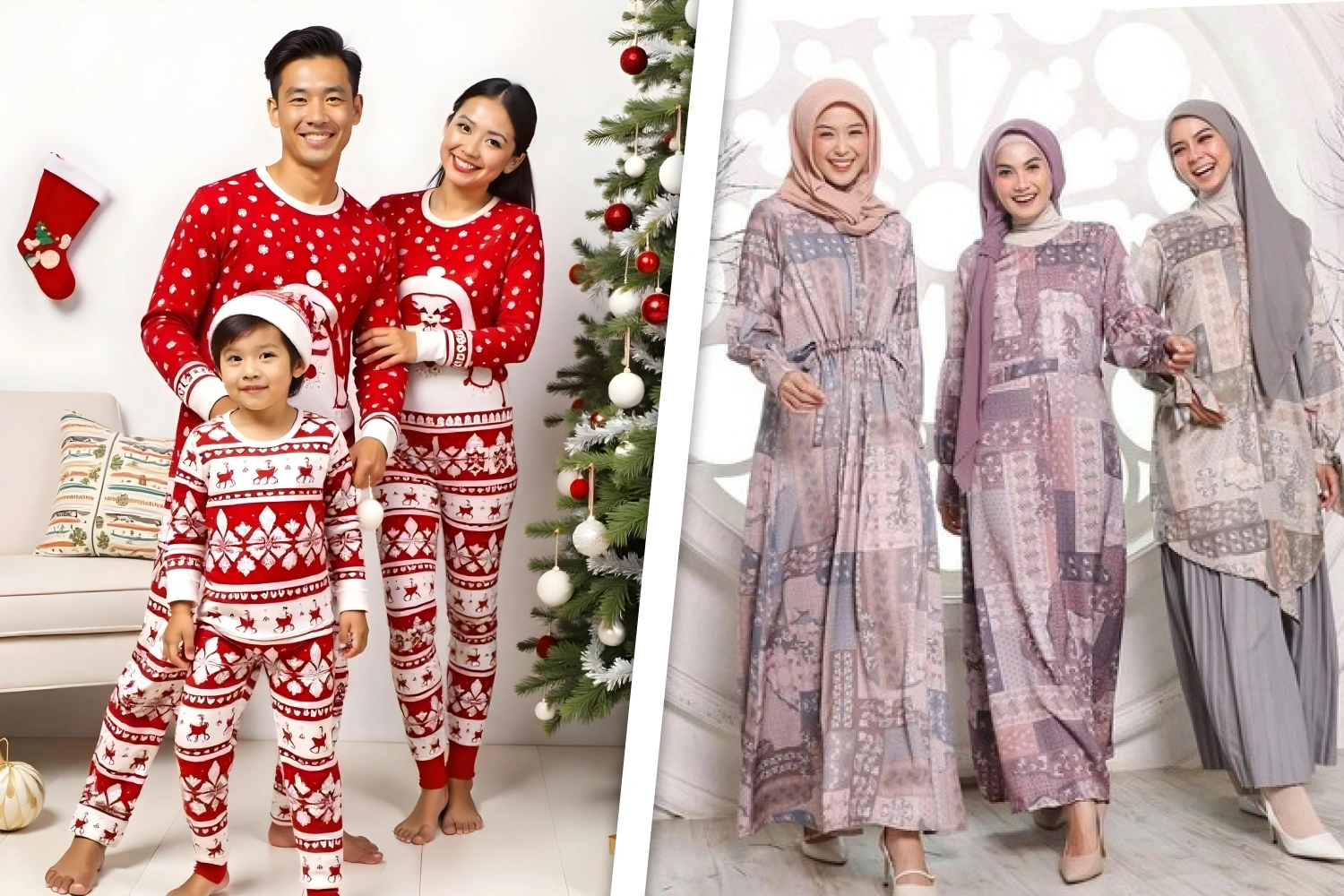
Creating seasonal collections lets you capture your customers’ imagination throughout the year.
You’ll want to align your designs with the natural rhythm of changing seasons and celebrations.
Start by mapping out your yearly calendar of collections.
Consider major holidays and cultural events relevant to your market.
Let’s investigate how you can build distinctive seasonal themes.
For summer, adopt vibrant tropical prints and breezy motifs that reflect beach vibes and outdoor activities.
Moving on to fall, incorporate rich earth tones and cozy patterns that mirror nature’s changing colors.
Think warm plaids and subtle leaf designs.
You might wonder about winter and spring collections.
Winter calls for festive holiday prints and sophisticated metallics.
Spring welcomes fresh florals and cheerful pastel geometrics.
Remember to add your unique signature elements to make each collection distinctly yours.
Leveraging Social Media for Trend Promotion

Social media platforms offer powerful tools to showcase your textile innovations and connect with trend-conscious customers.
You’ll want to focus on visually appealing content that highlights your unique patterns and designs. Start by creating engaging posts that demonstrate your products in real-world settings.
You might share styling tips or behind-the-scenes glimpses of your design process. Consider partnering with fashion influencers who align with your brand aesthetic.
They can help showcase your textiles to their engaged followers. Don’t forget to use relevant hashtags and engage with your audience through comments and direct messages.
This builds community around your brand. Track your analytics to understand which content resonates most with your followers.
You’ll learn valuable insights about color preferences and pattern trends that can inform future collections. Remember to maintain a consistent posting schedule to keep your audience engaged and informed.
With modest fashion searches increasing by 500% on Pinterest in 2018, tapping into this growing market segment could significantly boost your brand’s visibility.
Conclusion
Success in textile product design hinges on the balance between creative vision and market awareness.
By carefully monitoring trends, collaborating with designers, adapting material choices, and creating engaging seasonal collections backed by social media promotion, you can develop products that genuinely resonate with customers.
Mastering these elements will pave the way for sustainable textile innovation, and as the industry evolves, understanding how current digital printing fashion trends are shaping the textile industry landscape can provide valuable guidance for your next innovative steps.