
How to Set Sales Targets in Your Hijab Business

To set effective sales targets for your hijab business, start by analyzing your historical sales data and market trends over monthly, quarterly, or yearly periods. Calculate realistic targets using the formula: (Revenue / Sales Target) x 100%. Break these down into daily and weekly milestones while considering your production capacity and seasonal demands. Track your progress through regular performance monitoring and adjust your strategies based on customer feedback and market response. Let’s investigate proven methods to reach these goals.
Key Takeaways
- Analyze historical sales data and market trends to establish realistic monthly, quarterly, or yearly revenue goals for your hijab business.
- Break down larger sales targets into manageable daily and weekly goals to track progress and maintain team focus.
- Consider seasonal fashion cycles, religious holidays, and market demands when setting timeframes for your sales objectives.
- Calculate targets using the formula: (Revenue / Sales Target) x 100% to determine achievable growth percentages.
- Monitor competitor pricing, customer feedback, and market share to adjust sales targets based on real-world performance data.
Understanding Sales Target Concepts
You’ll find that sales targets are specific goals for the number of hijabs you want to sell within a set timeframe, whether that’s daily, monthly, or yearly.
Your targets will help you measure how well your marketing strategies are working and show you where you need to make improvements in your hijab business.
Definition of Sales Targets

Success in business starts with having clear goals. That’s why understanding sales targets is essential for your hijab business growth.
A sales target is the specific number of products you aim to sell within a set timeframe. You’ll use sales target calculation to determine realistic goals for your business.
Think of sales targets as your business’s GPS coordinates. They guide your marketing strategies and help measure your success.
You can set daily, monthly, or annual targets based on your business needs. The key is choosing timeframes that align with your production capacity and market demands.
Your targets should be challenging yet achievable. They’ll help keep your business focused and moving forward.
Purpose and Success Measurement

Now that we’ve defined sales targets, let’s investigate why they matter for your hijab business’s growth and measurement.
Setting sales goals for hijab brands helps you track your progress and measure success. You’ll know exactly where your business stands at any given moment.
These targets serve as your performance dashboard. They’ll tell you if your marketing strategies are working or need adjustment.
You can break down your goals into daily, weekly, or monthly milestones. This makes tracking more manageable and helps identify trends quickly.
Think of sales targets as your business’s GPS. They’ll guide you toward your destination while showing if you’re moving in the right direction.
Setting the Sales Target Period
When you’re starting your hijab business, you’ll need to choose the right timeframe for your sales targets – whether that’s monthly, quarterly, or yearly goals.
Your sales target period will depend on factors like your production capacity, seasonal trends, and how quickly you can adapt your strategies.
Setting monthly targets lets you track progress more frequently, while quarterly or annual targets give you more time to implement bigger marketing campaigns and evaluate long-term success.
Sales Target Periods

Since your hijab business needs clear milestones, choosing the right time period for your sales targets can make or break your success.
You’ll want to contemplate monthly targets when you’re just starting out. They give you quick feedback on what’s working.
Quarterly targets help you spot seasonal trends in hijab sales. Think Ramadan collections or summer releases.
Annual targets give you the big picture for long-term growth. They’re perfect for planning major collection launches.
Let’s investigate what works best for you. Match your target periods to your business rhythm. Monthly for beginners, quarterly for established shops, and yearly for expansion plans.
Example Sales Target Periods
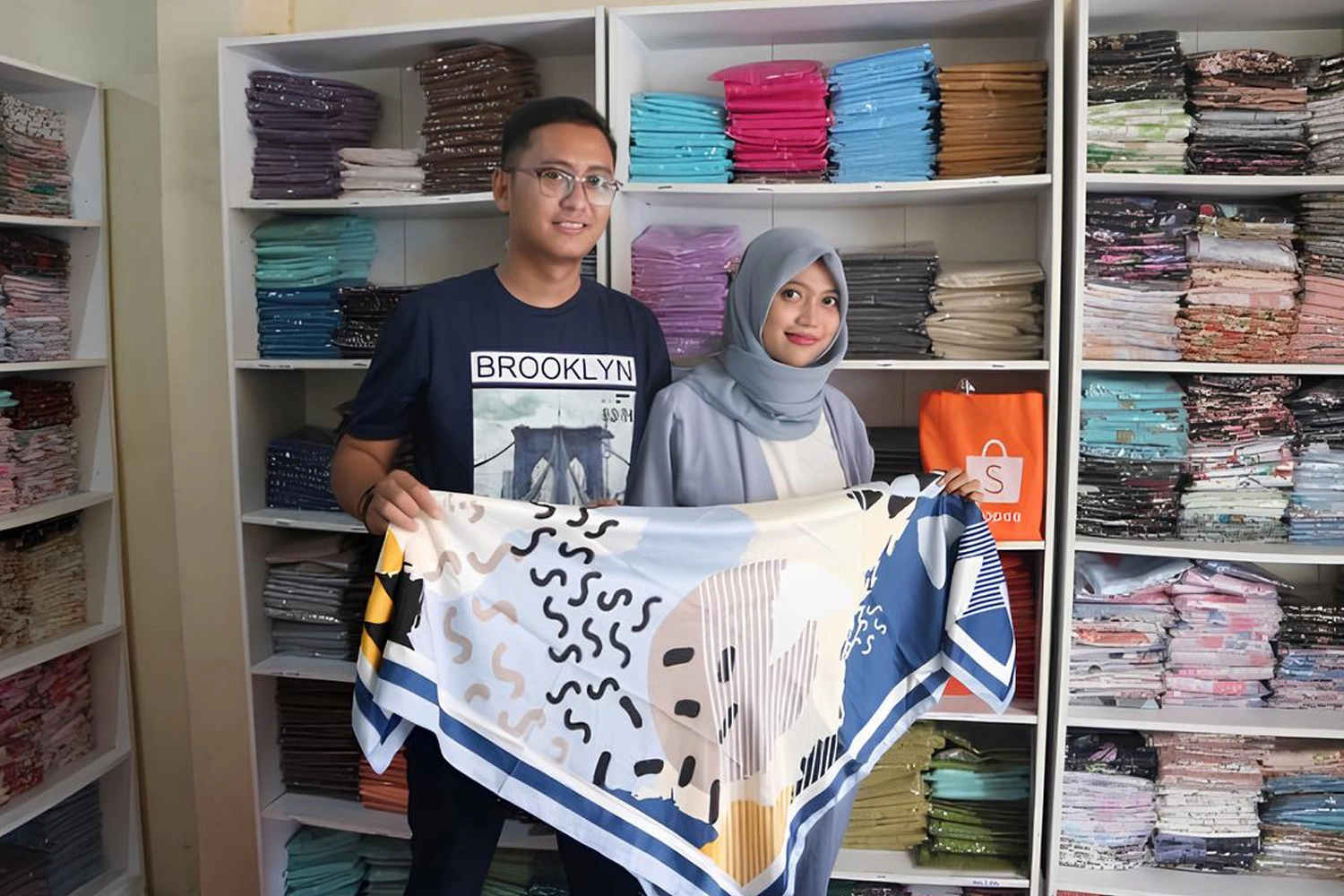
The best way to understand sales target periods is through real-world examples.
Let’s investigate how you might set daily targets of 20-30 hijabs during regular seasons and 40-50 during peak shopping periods.
Your weekly targets could aim for 150-200 pieces during normal times and double that during holiday seasons.
Monthly targets often work best for new collections, where you’ll want to sell 500-600 pieces in the first 30 days.
For annual planning, you might target 6,000-7,000 pieces with quarterly checkpoints to assess progress.
These example sales target periods help you stay flexible while maintaining growth momentum.
Calculating Sales Targets
You’ll need a reliable formula to calculate your sales targets accurately: Sales Target Percentage = (Revenue / Sales Target) x 100%.
Let’s say your monthly revenue is $5,000 and your target is $8,000 – plugging these numbers into the formula gives you a sales target percentage of 62.5%.
Your sales target calculations can start after just one month of business operation, giving you real data to work with and adjust your goals accordingly.
Sales Target Calculation Formula

Calculating accurate sales targets starts with a straightforward formula that’ll help guide your hijab business decisions.
To determine your sales targets, you’ll need to apply this simple calculation: (Revenue / Sales Target) x 100% = Sales Target Percentage.
Here are key elements you’ll need to track for accurate calculations:
- Monthly revenue from all hijab sales
- Historical sales data from previous periods
- Market growth projections for your region
- Seasonal buying patterns in the hijab industry
- Customer purchase frequency rates
You’ll want to review these calculations monthly to stay agile and responsive to market changes.
This data-driven approach helps you make smarter inventory and marketing decisions.
Example Calculation
Let’s walk through a real-world example using a small hijab business that’s currently generating $5,000 in monthly revenue.
You’ve set an ambitious monthly sales target of $7,500. Here’s how to calculate your target percentage: ($5,000 / $7,500) x 100% = 66.7%
This means you’re achieving 66.7% of your target, showing room for growth.
You might consider adjusting strategies to bridge the $2,500 gap.
Try calculating week-by-week targets: $7,500 ÷ 4 = $1,875 weekly.
Breaking it down further, your daily target would be $1,875 ÷ 7 = $268 per day.
Now you’ve got clear, actionable goals. Investing in the right sublimation printer can also enhance your production capabilities, allowing for more efficient scaling of your sales targets.
Strategies to Achieve Sales Targets
To meet your sales targets in the hijab business, you’ll need to start with thorough market research to understand your customers’ preferences and buying patterns.
You can strengthen your market position through targeted marketing strategies like SEO optimization, social media campaigns, and engaging content that speaks directly to your audience.
Product innovation is your key to standing out, so you’ll want to focus on creating unique designs and staying ahead of fashion trends while maintaining the quality your customers expect.
Market Research

Market research serves as the foundation for achieving your hijab business sales targets.
It’s essential to understand your market landscape before setting ambitious goals.
You’ll want to focus on these key aspects of market research for fashion:
- Analyze current hijab fashion trends and consumer preferences
- Study your competitors’ pricing strategies and product offerings
- Track social media engagement and influencer impact
- Monitor seasonal buying patterns and cultural events
- Gather customer feedback through surveys and focus groups
Remember to update your research regularly as fashion trends evolve quickly. Additionally, understanding the modest fashion market can provide insights into potential growth opportunities for your business.
Testing new designs with small focus groups can help validate your market assumptions before full production.
Marketing Strategies
Successful hijab businesses need a well-crafted marketing strategy to meet their sales targets.
Let’s examine effective marketing strategies for textile businesses like yours. Start by building a strong online presence through social media platforms and an engaging website.
You’ll want to implement SEO techniques to increase your visibility when potential customers search for hijabs online.
Consider creating targeted ad campaigns that showcase your unique designs and highlight what sets your products apart.
Don’t forget to utilize email marketing to keep your customers informed about new collections and special offers.
Try partnering with fashion influencers who align with your brand values to expand your reach. Additionally, leveraging social media platforms can significantly enhance your brand visibility and customer engagement.
Product Innovation
While staying competitive in the hijab market demands constant attention to sales targets, innovative product development serves as your secret weapon.
Your creativity can transform basic designs into must-have items.
Here’s how you can innovate your hijab products:
- Experiment with eco-friendly fabrics that offer both comfort and sustainability
- Create convertible styles that can be worn multiple ways
- Develop seasonal collections with trending colors and patterns
- Incorporate smart features like built-in adjusters or cooling technology
- Design inclusive options for different face shapes and sizes
Incorporating stable printing performance in your production process can also enhance the quality of your hijabs.
Remember that product innovation in hijab isn’t just about new designs.
It’s about solving your customers’ everyday challenges while keeping them stylish and confident.
Evaluating and Adjusting Sales Targets

You’ll need to regularly check how well you’re meeting your hijab business’s sales targets through monthly or quarterly assessments.
It’s essential to analyze your data, looking at everything from sales trends to how well your promotional campaigns are performing.
Based on what you find, you can then adjust your targets up or down to keep them realistic and achievable – just like adjusting the fit of a hijab to make it more comfortable.
Regular Evaluation
Regular assessment of your sales targets lets you stay on top of your hijab business performance.
You’ll want to track key metrics that reveal how well you’re meeting your goals.
Here are the essential elements you should evaluate regularly:
- Monthly revenue trends compared to previous periods
- Customer feedback and satisfaction ratings
- Effectiveness of marketing campaigns and promotions
- Product performance by category and style
- Market share growth in your target segments
When evaluating sales performance, focus on data-driven insights.
Compare your actual results against projected targets quarterly. This helps you spot trends early and make smart adjustments to your strategy.
Let’s examine how you can adjust these targets based on your findings.
Adjusting Targets
Since market conditions constantly evolve, adjusting your sales targets keeps your hijab business responsive and competitive.
You’ll need to analyze your performance data monthly to make informed adjustments. Look at your sales trends, customer feedback, and market dynamics.
When adjusting targets in the textile industry, consider seasonal fluctuations and fashion cycles. You might need to increase targets during peak seasons like Ramadan or wedding seasons.
Don’t hesitate to lower targets if you’re facing market challenges. It’s better to set achievable goals than unrealistic ones.
Remember to align your sales strategies with your adjusted targets. Update your marketing plans and inventory management accordingly.
Conclusion
Setting effective sales targets transforms your hijab business from guesswork into a strategic operation. Track progress regularly, adjust targets based on market conditions, and celebrate achievements while keeping your team aligned through clear communication.
Use data-driven insights to refine your strategy. As your targets grow, enhancing your production efficiency becomes vital for meeting increased demand and hitting those sales goals. Success in the hijab market stems from combining smart planning with consistent execution.
Understanding the specific equipment that can facilitate this, like sublimation printers, is a smart next step. Discover options tailored for business growth in our guide, Best Sublimation Printers Your journey toward achieving and exceeding sales targets starts with these fundamentals.