
The Story of Screen Printing History: A Must-Read

Screen printing’s fascinating journey began in ancient China’s Song Dynasty, where artisans used human hair stretched across bamboo frames. You’ll discover how this technique spread to Japan around 1000 CE, evolving through the Edo period with innovative kata-gami methods. The craft transformed in the 1900s with mesh fabrics, leading to America’s 1924 commercial boom and Indonesia’s unique adaptations. There’s much more to uncover about this versatile art form’s global impact.
Key Takeaways
- Screen printing originated in ancient China’s Song Dynasty, using human hair stretched across bamboo frames before evolving to silk mesh technology.
- Japanese artisans refined screen printing during the Edo period, developing the kata-gami method for intricate stencil designs on kimonos.
- The early 1900s introduction of mesh fabrics revolutionized screen printing, enabling finer detail and transforming it into a sophisticated technique.
- American commercialization in the 1924 established screen printing as a cost-effective solution for advertising and mass production.
- Indonesia’s screen printing industry uniquely adapted to tropical conditions, blending traditional methods with modern digital technology.
The Origins of Screen Printing Techniques
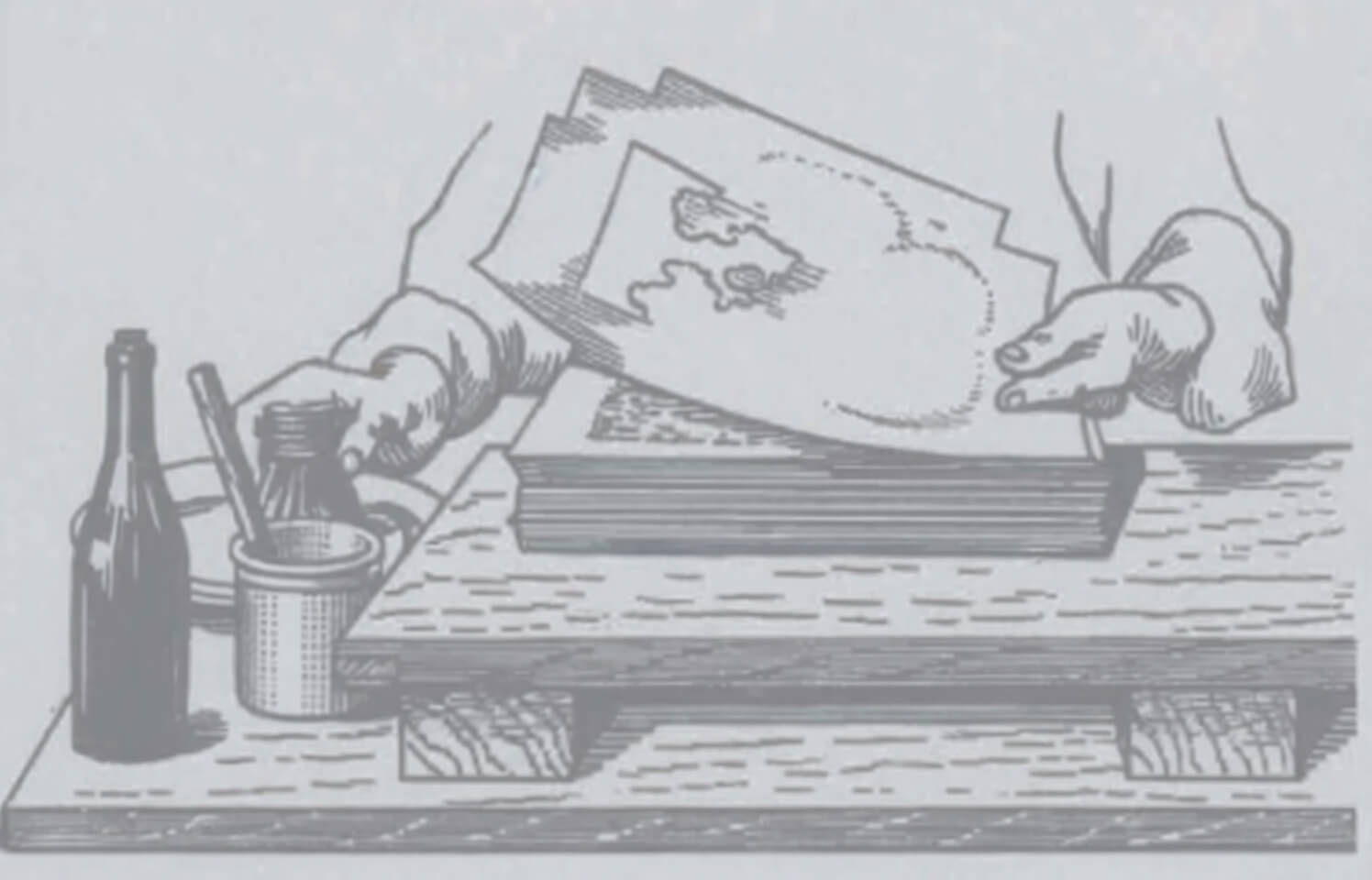
While many people think screen printing is a modern invention, its roots actually trace back to ancient China during the Song Dynasty (960-1279 CE).
You’ll find that the original screen printing origins involved using human hair stretched across bamboo frames. These early screen printing techniques laid the groundwork for what we use today.
What’s fascinating is how screen printing in textiles evolved from these humble beginnings. The process spread through Asia before reaching Europe.
Screen printing advancements really took off when silk mesh replaced hair. You can thank this innovation for making the process more precise and commercially viable.
Let’s investigate how these techniques transformed into modern methods.
Early Developments in Japan

After Chinese screen printing techniques reached Japan around 1000 CE, Japanese artisans quickly adapted and refined these methods.
You’ll find that screen printing in Japan took a fascinating turn during the Edo period. Local craftsmen developed unique approaches to screen printing for clothing, particularly in kimono decoration.
Japanese artisans transformed screen printing technology by introducing the kata-gami method. You’ll recognize this innovation in their intricate stencil designs.
They created remarkably detailed patterns using mulberry paper and persimmon tannin. These screen printing advancements laid the groundwork for modern textile printing techniques that you still see today.
Introduction of Screen Printing with Mesh Fabrics

The transformative shift to mesh fabrics in screen printing occurred during the early 1900s. You’ll find this development redefined the screen printing process, making it more precise and versatile.
While screen printing history traces back to ancient China, the introduction of mesh marked a turning point in modern applications. You’re now able to achieve finer detail that wasn’t possible with traditional silk screens.
When you look at screen printing for art today, you’ll notice how mesh fabrics allow for sharper edges and cleaner prints. This innovation helped alter what was once a basic craft into a sophisticated printing method.
Advancements in the United States

Screen printing gained significant momentum in America during the 1924s, when commercial printers began adopting it for advertising and textile production.
You’ll find that the screen printing evolution really took off when businesses discovered its marketing potential. Screen printing equipment became more sophisticated, allowing for mass production of posters, textiles, and promotional materials.
During this time, you’d see screen printing for business purposes expand into new territories. From simple single-color prints to complex multi-color designs, the technology adapted to meet growing commercial demands.
Screen printing for marketing emerged as a cost-effective solution that’s still relevant today. American innovation made the process faster and more reliable.
The Color Separation Screen Printing System

Building on America’s commercial printing advances, color separation emerged as a game-changing innovation in screen printing methodology. You’ll find this technique altered how we approach screen printing for branding and packaging today.
The history of screen printing took a dramatic turn with these key developments:
- Introduction of multi-color separation processes
- Development of specialized mesh counts for different colors
- Creation of registration systems for precise alignment
Now you can appreciate how color separation screen printing transformed the industry. It’s enabled precise color matching and layering that we take for granted in modern printing applications. This innovation paved the way for today’s sophisticated branding solutions.
Screen Printing Evolution in Indonesia
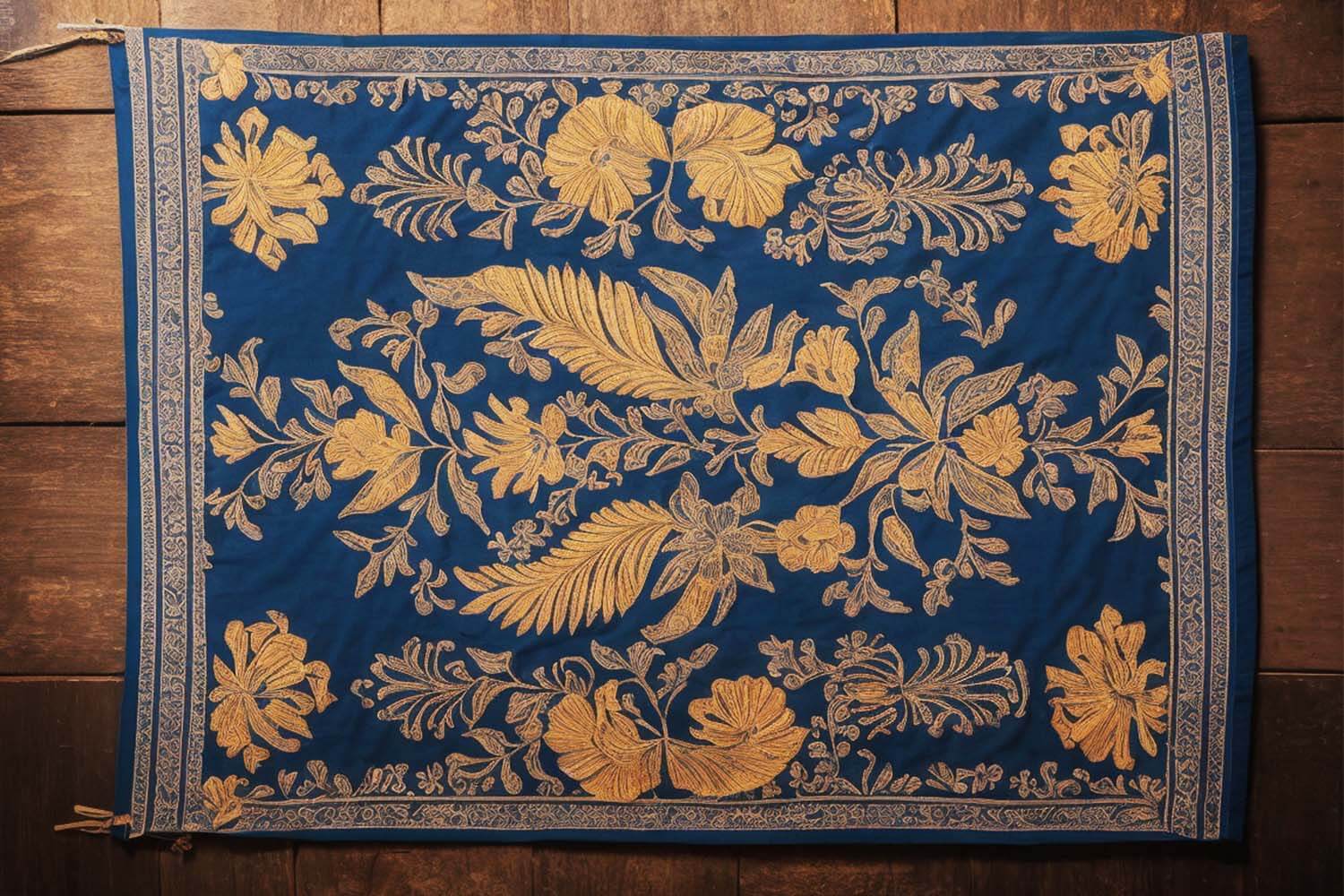
Since establishing itself as a textile powerhouse, Indonesia’s screen printing industry has evolved remarkably through local innovation and technological adoption.
You’ll find that screen printing for textiles in Indonesia differs from silkscreen printing in the United States. Local manufacturers have adapted traditional techniques to suit tropical conditions.
Like Texco’s modern digital solutions, screen printing for manufacturing has transformed from basic manual processes to advanced automation. You’re now seeing a blend of traditional screen printing with cutting-edge digital methods.
Indonesian textile producers continue innovating, combining heritage craftsmanship with new technologies to meet global demand while maintaining cultural authenticity.
The industry’s shift toward digital textile printing has enabled more efficient production with projected market growth reaching $2.31 billion by 2023.
Conclusion
The incredible journey of screen printing technology reflects an industry that’s constantly pushing boundaries. You’ll find its innovative applications reshaping manufacturing across sectors.
Today’s screen printing capabilities span diverse industrial uses:
- Screen printing for electronics transforms circuit board production
- Screen printing for ceramics alters decorative possibilities
- Screen printing for glass enables precision in architectural applications
You’re witnessing a technology that’s evolved from basic fabric printing to sophisticated industrial processes. As digital solutions like Texco’s printing systems emerge, they complement traditional screen printing methods. Together, they’re creating exciting possibilities for your business ventures. The rising popularity of DTF printing technology is expected to drive the custom apparel market to $8.2 billion by 2028.