
Insight Into the Hijab Market Trends in Indonesia

Indonesia’s hijab market has evolved from traditional religious wear into a booming $6.09 billion fashion industry. You’ll find modern designers blending cultural authenticity with contemporary styles, while digital innovations like cloud manufacturing and TikTok live streaming transform how hijabs are produced and sold. With over 1.02 billion pieces sold in 2022 and strong growth projections, the market caters to career women seeking professional attire that aligns with their values. Let’s investigate how local brands are transforming this dynamic sector.
Key Takeaways
- Indonesia’s hijab market reaches $6.09 billion annually with over 1.02 billion pieces sold, demonstrating significant growth potential.
- Digital transformation drives sales through TikTok Live Streaming and online platforms, revolutionizing traditional retail models.
- Local manufacturers increasingly adopt cloud manufacturing and sustainable practices, reducing dependency on imports which currently dominate 75% of market.
- Consumer preferences shift toward brands offering modern designs that blend traditional values with contemporary styles for professional settings.
- Social media marketing and celebrity-owned brands significantly influence purchasing decisions and fashion trends in Indonesia’s hijab market.
The Evolution of Indonesia’s Hijab Fashion Industry

Three major shifts have transformed Indonesia’s hijab fashion industry over the past decade. You’ll find that what was once purely religious attire has evolved into a powerful fashion statement that’s reshaping global modest wear trends.
Let’s investigate how Indonesian designers are blending traditional elements with contemporary styles. You’ll see sophisticated designs that maintain modesty while embracing modern fashion sensibilities. Career women are leading this fashion revolution by demanding professional attire that aligns with their values and workplace needs.
The industry’s now reaching far beyond local borders. Through platforms like HIJUP, you’re witnessing Indonesian modest fashion connecting with international audiences and brands. With annual spending reaching $6.09 billion on hijabs, Indonesia’s market potential is remarkable.
What’s fascinating is how technology’s changing the game. Cloud manufacturing and e-commerce have made it easier for local brands to scale their operations and reach global markets.
You’ll notice that Indonesian culture’s diversity plays an essential role in driving innovation. It’s creating unique designs that appeal to both local and international fashion enthusiasts.
Market Size and Growth Projections
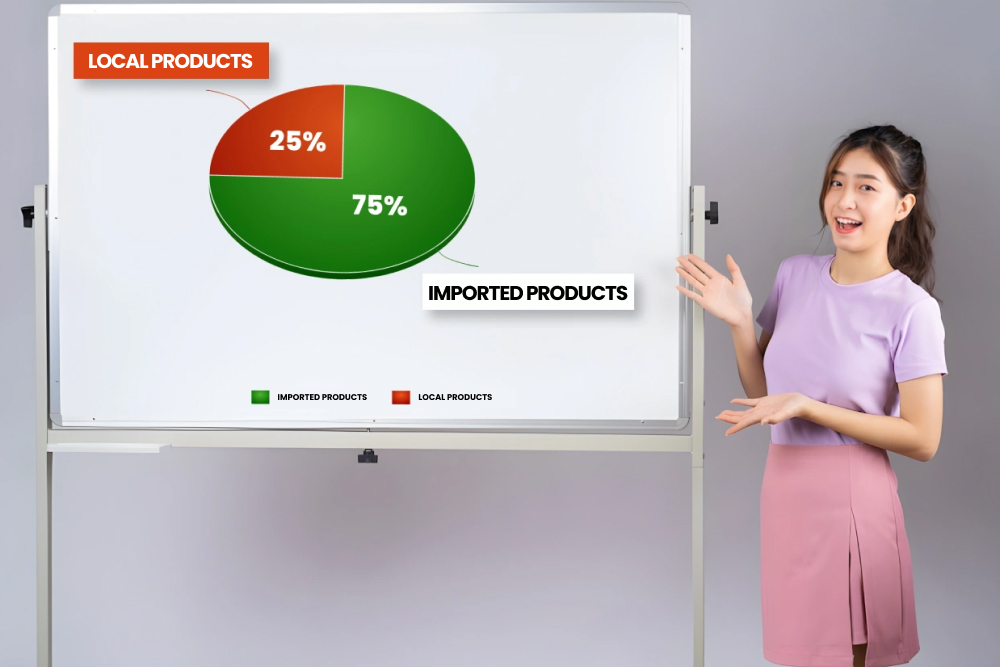
Building on the industry’s evolution, let’s look at the impressive numbers behind Indonesia’s hijab market. You’ll find the current market size stands at a remarkable $6.09 billion, with over 1.02 billion pieces sold in 2022. Currently, imported hijab products make up about 75% of the market share. Strong brand identity is crucial for new businesses entering this competitive landscape.
The growth potential is massive as Indonesia’s position in the global Islamic fashion scene continues to strengthen. You’re looking at an industry that’s part of a projected $375 billion global modest wear market by 2025.
- Your local brands are transforming the market by blending modern style with cultural authenticity
- You’re witnessing a digital transformation as e-commerce platforms make hijabs more accessible than ever
- You’ll notice sustainable and athletic hijabs trending among young consumers
- You’re part of a market that’s expanding beyond traditional boundaries into global fashion
Let’s investigate how these numbers translate into opportunities for innovation and growth.
Digital Transformation in Hijab Retail
As Indonesia’s hijab industry evolves rapidly in the digital age, you’ll see remarkable transformations in how these garments are produced, marketed, and sold.
You’ll find cloud manufacturing innovating production capabilities. Just look at ZM Zaskia Mecca, now producing 70,000 hijabs monthly through digital integration.
TikTok Live Streaming has become your go-to shopping destination, especially during those pre-dawn Ramadan hours when you’re most active online.
Digital traceability systems now let you verify halal certification with a simple click. It’s like having a digital seal of approval right at your fingertips.
You’ll notice more local production taking over, with smart manufacturers using hybrid models that combine cloud tech with traditional methods. This change is reducing that 75% import dependency we’ve seen in the past.
Blockchain and fintech solutions are making your shopping experience more Sharia-compliant and transparent.
Many entrepreneurs start as trusted dropshippers to understand market dynamics before launching their own branded collections.
Key Players and Brand Innovation
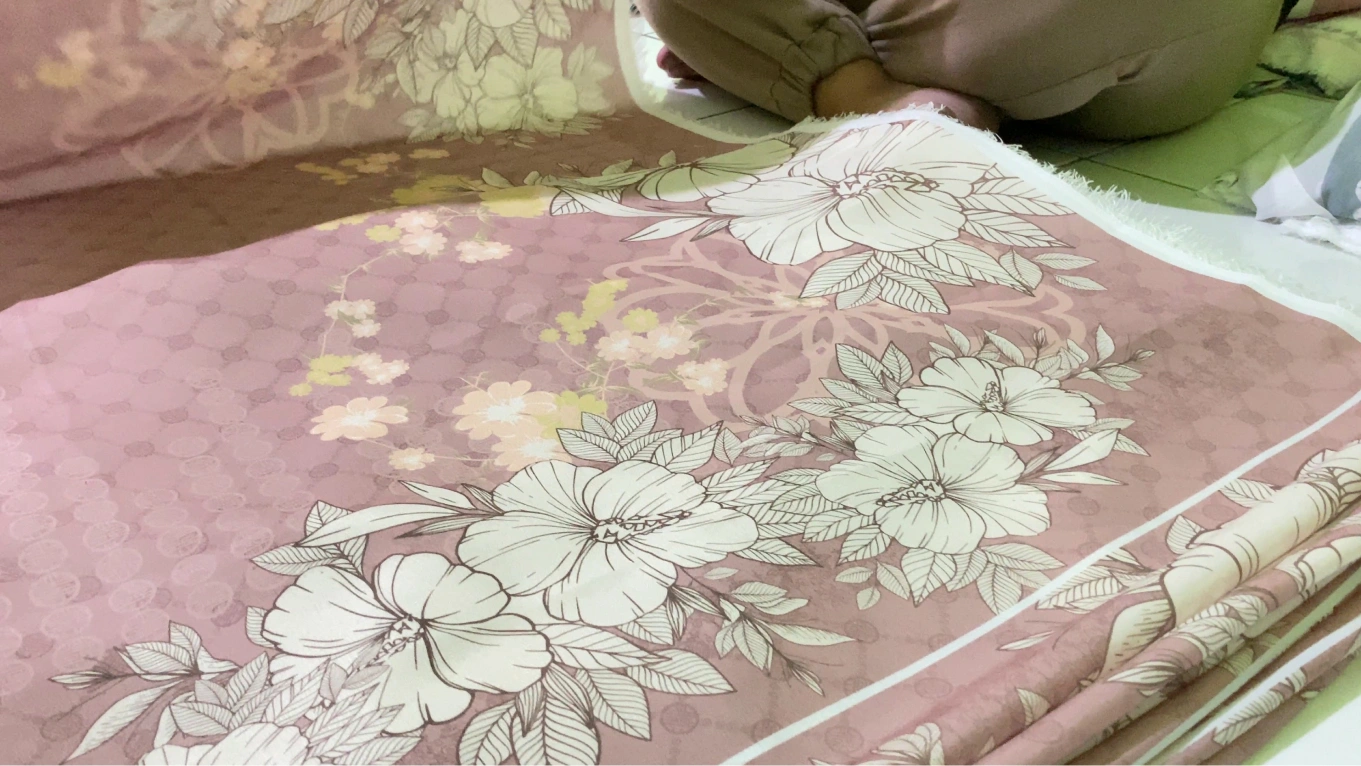
The dynamic landscape of Indonesia’s hijab market has given rise to pioneering brands and innovative business models. You’ll find companies like ZM Zaskia Mecca leveraging cloud manufacturing to produce 70,000 pieces monthly while keeping costs competitive.
HIJUP’s groundbreaking e-commerce platform connects over 200 local designers with global consumers. They’re transforming how Muslim fashion reaches international markets.
Rabbani Pashmina leads the way in modern and practical designs using premium materials like cotton, rayon and silk.
Here’s what’s making waves in the industry:
- Cloud manufacturing systems that blend traditional and modern production methods
- Celebrity-owned brands driving fashion-forward designs and trends
- Collaborations between local and global powerhouses like HIJUP and Uniqlo
- E-commerce platforms empowering small designers to compete globally
You’ll notice both local and international brands are innovating rapidly. Louis Vuitton and Dolce & Gabbana have entered the market, pushing Indonesian brands to improve their offerings.
Sustainable Practices in Hijab Manufacturing
While traditional hijab manufacturing has focused primarily on style and cost, sustainable practices are transforming Indonesia’s modest fashion industry.
You’ll find eco-friendly materials like viscose, rayon, and cotton leading the charge in sustainable hijab production. Natural and non-toxic dyes are becoming the new standard.
Let’s investigate how technology is changing production methods. Cloud manufacturing and hybrid systems help brands like ZM keep costs down while maintaining their commitment to sustainability.
You might be interested to know that some brands now offer compostable hijabs, aligning with Islamic principles of environmental stewardship.
The government’s backing these innovations through supportive policies and initiatives. Events like ISEF showcase how Indonesia’s modest fashion industry is embracing eco-friendly practices.
Looking for sustainable hijabs? You’ll find plenty of options as brands respond to growing consumer demand for environmentally responsible fashion.
Export Opportunities and Global Market Reach
Since Indonesia ranks third globally in modest fashion, you’ll find impressive opportunities for hijab exports in key markets worldwide. The industry’s 18% annual growth rate opens doors for innovative entrepreneurs like you.
You’ll want to focus on high-potential markets like Saudi Arabia, where consumers have strong purchasing power and value quality modest fashion. E-commerce platforms can help you reach these global customers directly.
Here’s what makes Indonesian hijabs stand out in the global market:
- Unique designs that blend traditional elements with modern fashion trends
- Strong domestic manufacturing base with room for expansion
- Government support through dedicated halal industry development centers
- Growing global demand expected to reach billions in coming years
Let’s investigate how you can tap into digital platforms to showcase your products internationally. Cloud manufacturing solutions make it easier to scale your business efficiently.
The expanding Islamic economy market is projected to reach USD 3.007 billion by 2023, creating substantial opportunities for Indonesian hijab manufacturers.
Consumer Behavior and Purchasing Patterns
Understanding Indonesia’s hijab consumer behavior starts with a striking $6.09 billion annual market. You’ll find today’s hijab shoppers are tech-savvy and quality-conscious.
Let’s investigate how these consumers shop. They’re increasingly turning to online platforms for convenience while prioritizing brands that align with their values.
You might notice a shift toward sustainable and comfortable designs. Modern buyers care about both style and practicality in their hijabs.
Have you ever wondered what drives purchasing decisions? Social media influencers play a huge role in shaping trends and preferences.
Moving on to specific patterns, middle to upper-class consumers lead the market. They’re particularly interested in innovative materials and breathable designs.
The market’s sweet spot? Young adults and working women who actively engage with brands through digital platforms.
Professional hijabs are particularly in demand among career-focused Muslim women seeking workplace-appropriate designs.
Conclusion
Indonesia’s hijab market has transformed into a dynamic $6.09 billion fashion industry, blending cultural values with modern trends.
Accelerated by digital innovations like TikTok Live Streaming and cloud manufacturing, its growth potential is significant as consumers increasingly seek contemporary, sustainable designs.
Success in this evolving landscape hinges on understanding the latest Hijab Business Opportunities, Trends, and Key Strategies. This sector exemplifies how tradition can powerfully merge with modern commerce and innovation.