
Must-Have Hijab Business Equipment for Entrepreneurs
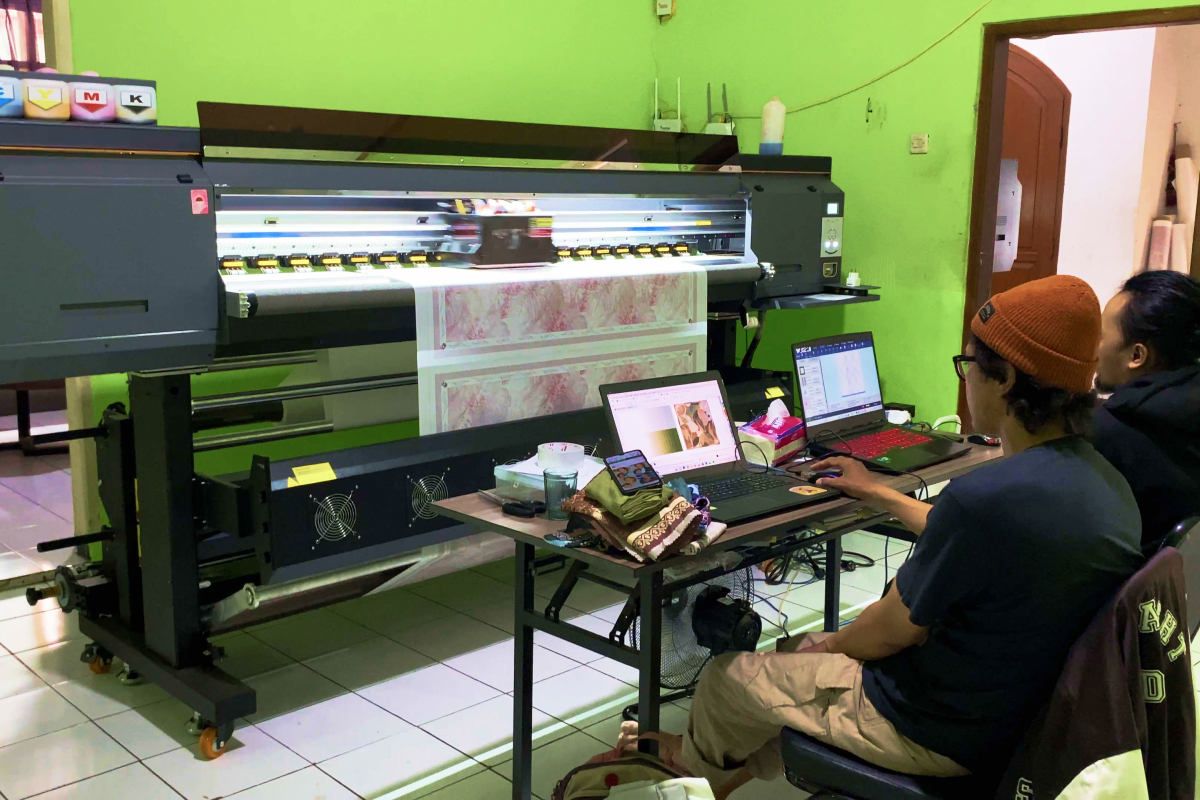
To start a successful hijab printing business, you’ll need four essential pieces of equipment: a high-quality sublimation printer for vibrant designs, a heat press machine for permanent transfers, professional design software like Adobe Creative Suite or Canva, and basic support tools including fabric scissors and measuring instruments. The right equipment combination guarantees you’ll create beautiful, durable prints across various fabric types while maintaining consistent quality. Let’s investigate how these tools can transform your entrepreneurial vision into reality.
Key Takeaways
- High-quality sublimation printer with Oeko-Tex certification for producing vibrant, long-lasting designs on polyester-based hijabs.
- Professional heat press machine with adjustable temperature controls to permanently transfer designs onto different fabric types.
- Design software like Adobe Creative Suite or Canva, matched to skill level, for creating and editing hijab patterns.
- Industrial-grade sewing machine and precision fabric scissors for professional finishing and custom detail work.
- Reliable measuring tools and templates sized to standard hijab dimensions (110x110cm or 45x45cm) for accurate production.
Benefits of Starting a Hijab Printing Business
Starting a hijab printing business offers tremendous potential in today’s growing Islamic fashion market. You’ll tap into a thriving industry where customization reigns supreme.
With the right hijab printing equipment, you’re positioned to create unique designs that reflect individual style and cultural preferences. You’ll meet the rising demand for personalized Islamic fashion.
You can scale your operations based on market response. Start small and expand as your customer base grows.
The business model offers flexibility in working hours and location. You’ll enjoy creative freedom while providing meaningful products to your community.
Digital printing technology lets you minimize waste and maintain consistent quality. You’re building a sustainable future in fashion.
Select fabrics with high polyester content of at least 70% to ensure your hijab prints maintain vibrant colors and lasting quality.
Hijab Printing Techniques
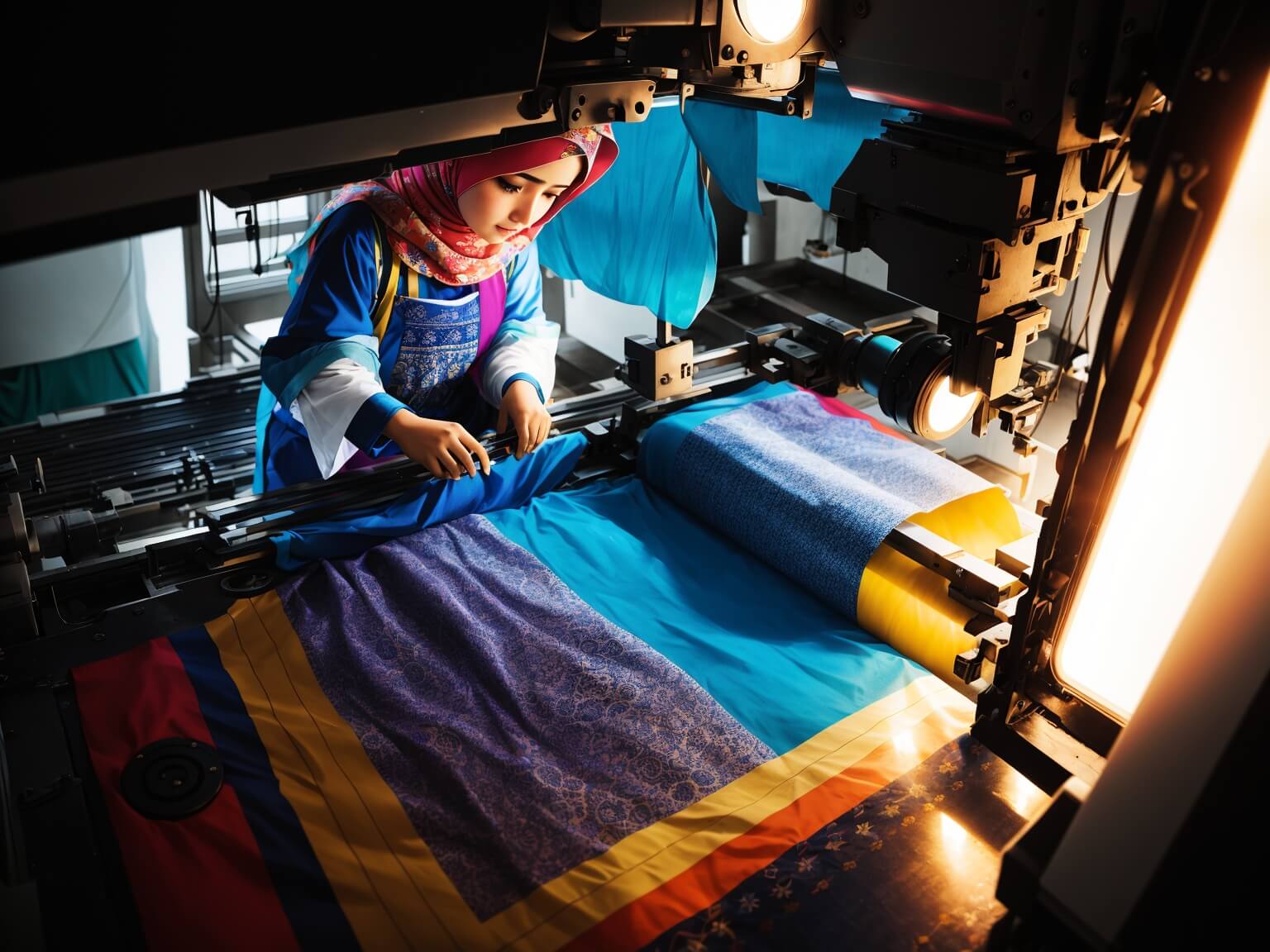
When you’re getting started in hijab printing, you’ll want to understand three key techniques that dominate the market today. You can choose between sublimation printing (perfect for polyester-based hijabs), direct-to-fabric printing (ideal for silk and linen materials), or DTF printing (versatile enough for multiple fabric types). Each technique offers unique advantages for your hijab business, so let’s investigate how these methods can help you create stunning designs that’ll make your products stand out.
Sublimation Technique
The sublimation technique stands as the most popular digital printing method for creating beautiful hijabs. You’ll need a quality sublimation printer to transfer your designs onto polyester-based fabrics.
Here’s why you’ll love this method: Your designs won’t crack or fade, even after multiple washes. The colors stay vibrant and true.
The process is straightforward. You’ll print your design on special transfer paper, then use heat to permanently bond it to the fabric.
For best results, choose hijab materials with at least 80% polyester content. Your finished products will have that premium, professional look your customers desire.
Modern sublimation printers like the PrecisionCore technology models deliver exceptional color accuracy and detail for professional textile printing.
Direct To Fabric Technique
Direct-to-fabric printing offers a fresh alternative for your hijab business, especially when you’re working with natural fibers like silk and linen. You’ll love how direct-to-fabric printers deliver vibrant results without transfer papers.
Let’s investigate the key advantages of this innovative technique:
- Print directly onto your fabric without intermediate steps
- Create intricate designs with exceptional color clarity
- Achieve faster production times for bulk orders
- Maintain fabric softness and natural drape
You’ll find this method particularly effective for premium hijab collections. The technology lets you experiment with detailed patterns while preserving the luxurious feel of your materials. Modern Micro Piezo technology enables superior print quality that’s especially beneficial for intricate hijab patterns.
DTF (Direct to Film) Printing Technique
Leveraging DTF (Direct-to-Film) printing can transform your hijab business with its versatile multi-material capabilities.
You’ll love how DTF printers create vibrant, durable designs that work on various hijab fabrics. The process transfers your artwork onto a special film before applying it to the material.
This innovative technique gives you endless creative possibilities. Your designs won’t fade or crack after washing.
Let’s investigate why DTF stands out. You get excellent color saturation and precise detail reproduction on both light and dark fabrics.
The best part? You won’t need different printers for different materials. One DTF printer handles it all.
Essential Equipment for Hijab Printing Business
To start your hijab printing business, you’ll need several essential pieces of equipment that’ll help you create beautiful custom designs. A high-quality sublimation printer from trusted brands like Texco will be your main workhorse, paired with a reliable heat press machine for transferring your designs onto fabric. You’ll also want to invest in a computer with design software, basic tools like fabric scissors and a sewing machine, and don’t forget about a fabric cutting machine to guarantee precise, professional-looking results.
Fabric Printing Machine or Sublimation Printer

A reliable sublimation printer stands as the cornerstone of any successful hijab printing business. You’ll want to invest in quality fabric printing supplies that guarantee vibrant, long-lasting designs on your polyester-based hijabs.
Modern printers like the Ecojet Nova can achieve printing speeds up to 50 square meters per hour while maintaining quality.
Let’s investigate what makes Texco’s sublimation printers stand out for your hijab printing venture:
- One-year warranty with comprehensive technical support
- Eco-friendly production certified by Oeko-Tex standards
- High-resolution output perfect for intricate hijab patterns
- Compatible with premium transfer papers and specialized inks
You’ll benefit from Texco’s free business consultation to help you choose the right printer for your production scale. Their flexible payment plans make it easier to start your hijab printing journey.
Heat Press Machine
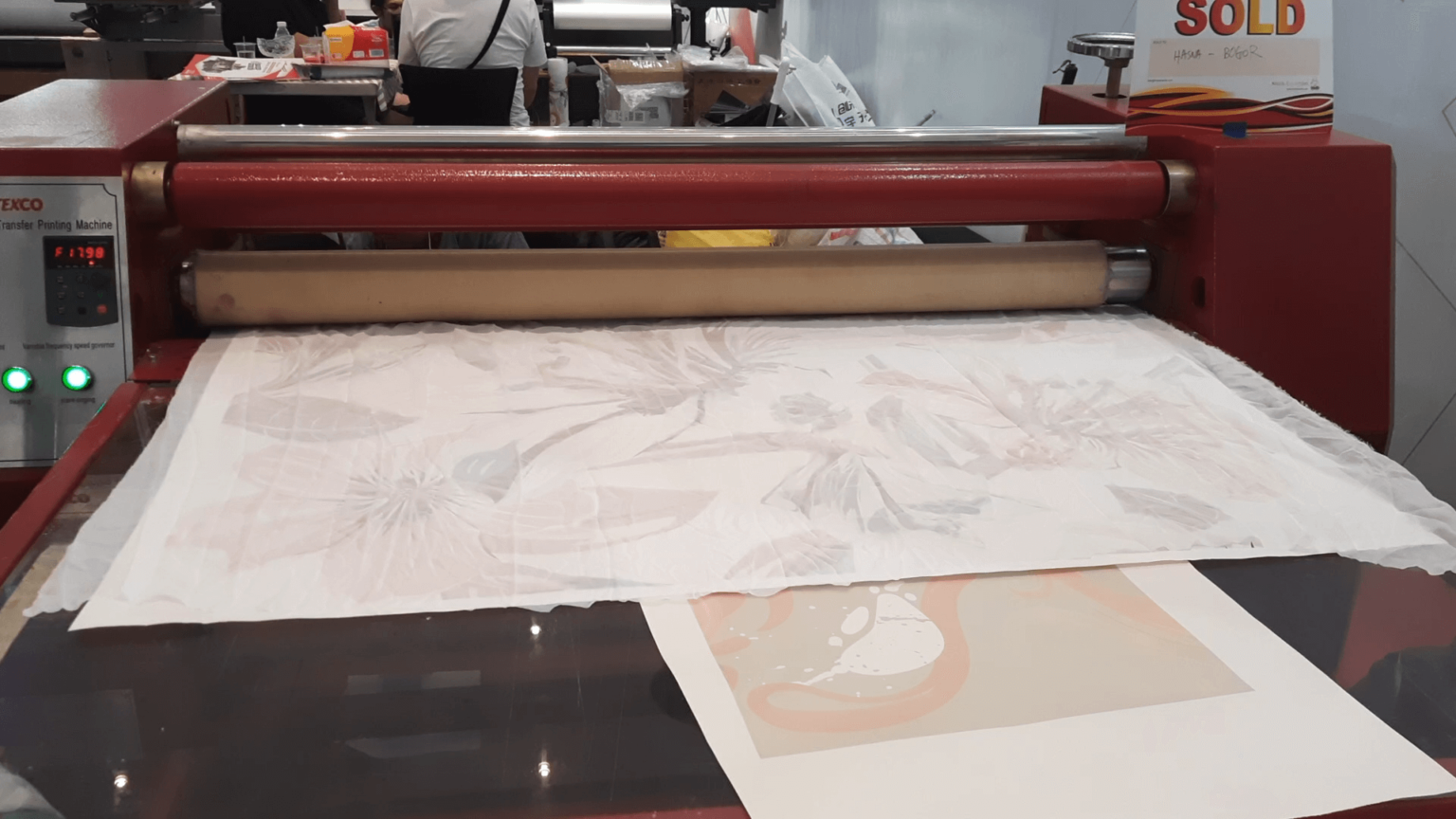
High-quality heat press machines transform your printed designs into permanent, vibrant art on hijabs.
You’ll need this essential equipment to set the ink properly after printing. The heat press applies consistent temperature and pressure across your fabric.
Think of it as your hijab’s finishing touch. It guarantees your designs won’t fade or wash away after multiple uses.
For best results, look for a heat press machine with adjustable temperature controls and even pressure distribution. Your investment will pay off in customer satisfaction.
Remember to follow the recommended temperature and time settings for different fabric types. This helps achieve professional-quality results every time.
Professional machines like those with an oil-based drum system provide superior heat distribution for consistent, high-quality prints across large fabric surfaces.
Fabric Cutting Machine
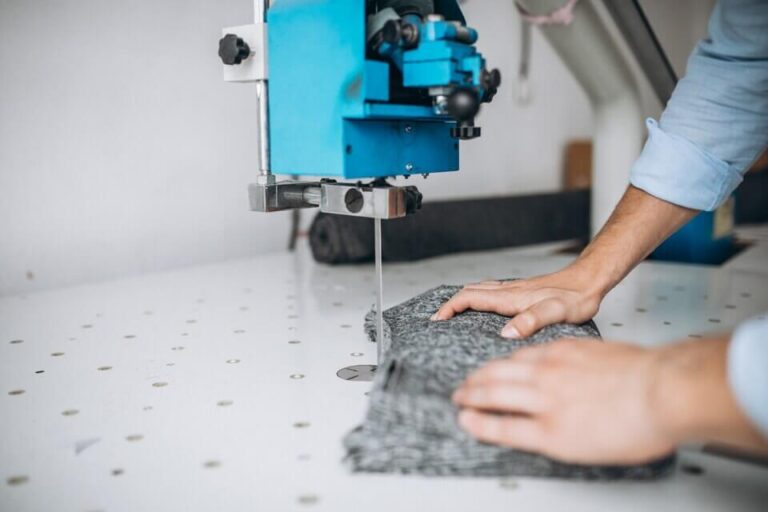
Precise fabric cutting machines serve as the backbone of any professional hijab printing operation. You’ll need this essential fabric cutting equipment to achieve clean, professional edges every time.
When selecting your cutting machine, consider these key features:
- Automatic pattern recognition for consistent cuts
- Multiple speed settings for different fabric types
- Safety features like finger guards and emergency stops
- Adjustable blade pressure controls
You’ll want to invest in quality fabric cutting equipment that matches your production volume. The right machine will help streamline your workflow and reduce material waste while ensuring each hijab meets your quality standards.
Computer and Design Software
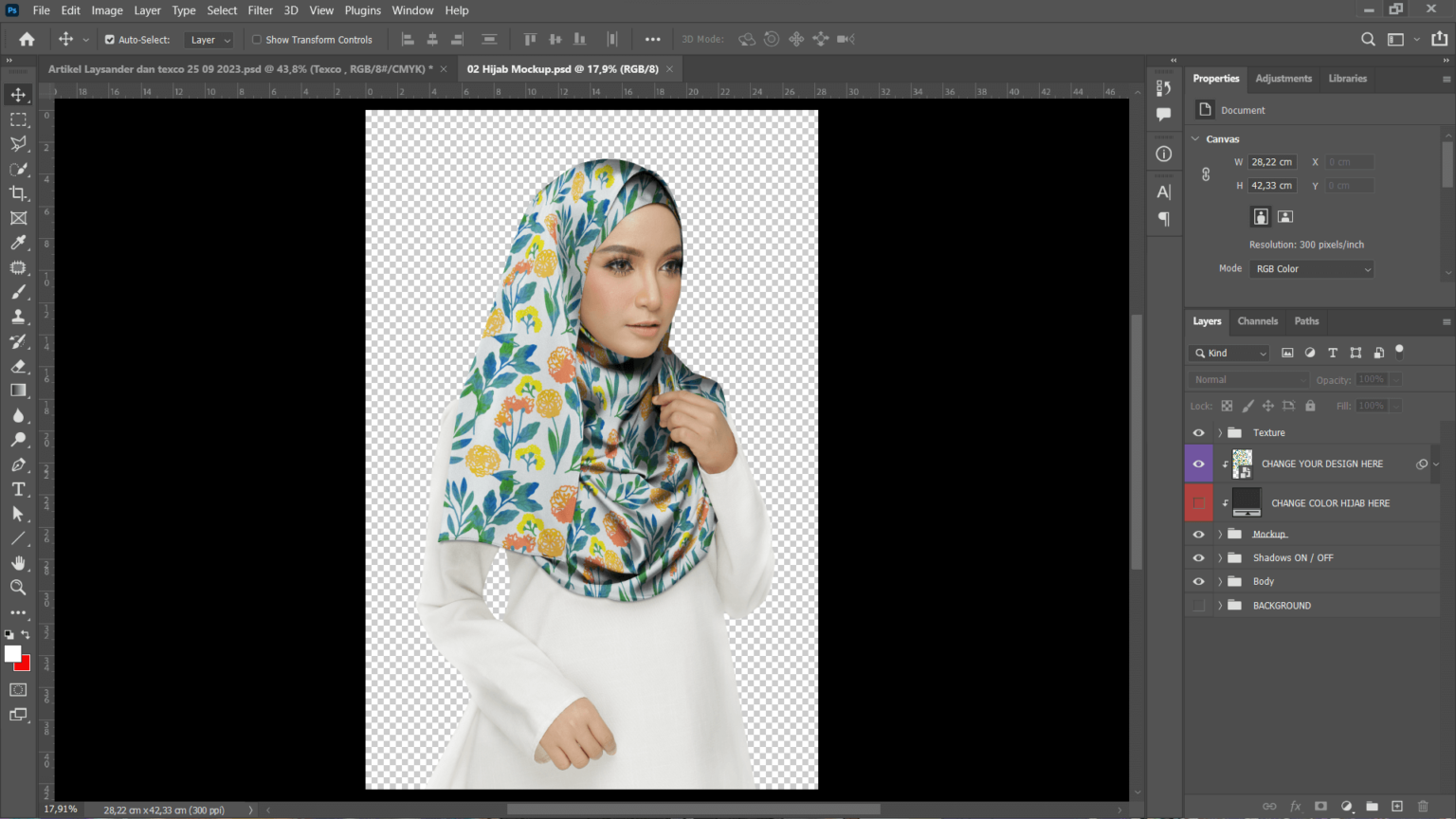
Since digital design drives modern hijab printing, your computer setup and software form the creative core of your business.
You’ll want a reliable computer with at least 16GB RAM and a graphics card that can handle design software smoothly. Think of it as your digital canvas.
Choose design software that matches your skill level. Adobe Creative Suite offers professional-grade tools, while Canva provides a user-friendly alternative for beginners.
Don’t forget to invest in a good monitor with accurate color display. Your designs need to look exactly like they’ll print.
Storage matters too. Keep your designs safe with external backup drives or cloud storage solutions.
Supporting Tools like Scissors, Sewing Machines, and More
The right supporting tools transform your hijab printing workspace into a professional production hub. You’ll need essential garment manufacturing equipment to maintain quality and efficiency.
Here are the must-have items for your operation:
- High-precision fabric scissors for clean, professional cuts
- Industrial-grade sewing machine for edge finishing and custom details
- Heat press machine for transfer printing and sublimation work
- Quality measuring tools (rulers, tape measures) for accurate sizing
These tools complement your printing setup perfectly. Consider investing in Texco’s heat transfer machines to guarantee consistent results across your production line. They’re backed by comprehensive support and warranty coverage.
Step-by-Step Hijab Printing Process
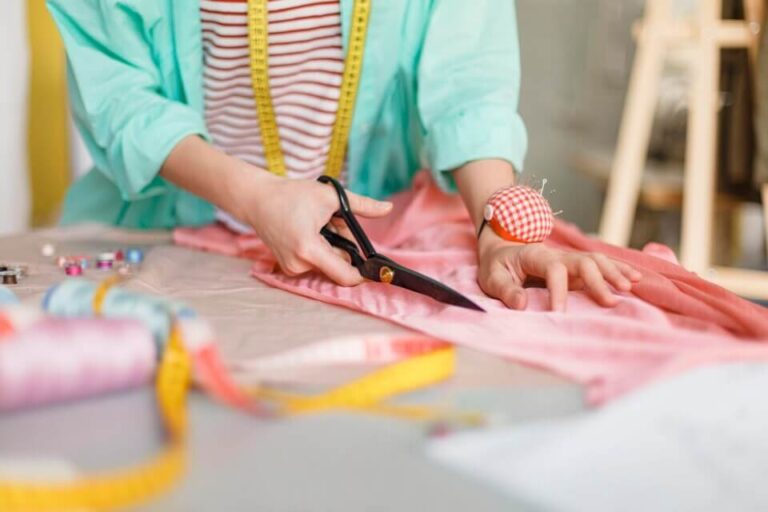
You’ll want to master five key stages to transform your hijab designs from concept to reality. Starting with design and fabric prep, you’ll move through the printing and transfer processes using your chosen equipment from Texco’s lineup – whether that’s sublimation, DTF, or direct-to-fabric printers. The final stage focuses on finishing touches that’ll give your hijabs that professional polish customers expect, so let’s investigate each step in detail.
Design Preparation
Preparing your design serves as the foundation for stunning hijab prints. You’ll need professional design software to create patterns that’ll shine on your digital fabric printer.
- Start with vector-based programs like Adobe Illustrator or CorelDRAW for crisp, scalable designs
- Set your color profile to CMYK for accurate print reproduction
- Create templates sized to your hijab dimensions (typically 110x110cm or 45x45cm)
- Test your designs with small sample prints before full production
Remember to save your files in both working and print-ready formats. Your designs should consider fabric characteristics and printing method limitations.
Let’s guarantee your creative vision translates perfectly to fabric.
Fabric Preparation
Once your design files are ready, proper fabric preparation sets the stage for flawless printing. You’ll need to guarantee your fabric is clean and wrinkle-free.
Start by pre-washing your hijab fabric to remove any sizing or residues. This step prevents future printing issues.
Your fabric processing machine will help achieve the perfect surface tension. Run your materials through at the recommended temperature.
Let’s move on to pressing. You’ll want to eliminate any creases that could interfere with print quality.
Remember to test a small fabric sample first. This prevents costly mistakes when working with premium hijab materials.
Printing Process
The actual printing process brings your hijab designs to life through precise digital technology. Today’s printing technology solutions offer you versatile options for stunning results.
Let’s investigate the essential steps for professional hijab printing:
- Import your finalized design into your printer’s software and adjust color settings for ideal vibrancy
- Select your preferred printing method (DTF, sublimation, or direct-to-fabric) based on your fabric type
- Load your prepared fabric into the printer, ensuring it’s smooth and properly aligned
- Start the printing process and monitor color consistency throughout
You’ll want to maintain consistent room temperature and humidity for best results.
Transfer Process
After completing your printing, you’ll need to move on to the critical transfer stage using a heat press machine. This step transforms your digital designs into beautiful hijab masterpieces.
Set your heat transfer machine to the correct temperature and pressure settings for your specific fabric type. You’ll want to guarantee even heat distribution.
Position your printed design carefully on the hijab material. Remember to place it exactly where you want the final image to appear.
Press for the recommended time – usually between 15-30 seconds depending on your fabric. You’ll hear a satisfying beep when it’s done.
Let it cool briefly before peeling away the transfer paper. Your design is now permanently bonded to the fabric.
Finishing Touches
Freshly transferred designs need a few final steps to achieve that professional polish. Your textile printing machine has done the heavy lifting, but now it’s time for the finishing touches.
Let’s investigate the essential final steps to perfect your hijab prints:
- Heat press the design again for 10-15 seconds to guarantee permanent adhesion
- Allow the fabric to cool completely before handling
- Inspect for any loose edges or imperfections
- Steam press the entire hijab for a smooth, professional finish
You’ll want to quality check each piece under bright lighting. This attention to detail guarantees your customers receive flawless products they’ll love wearing.
Types of Fabrics Suitable for Hijab Printing
Selecting suitable fabrics stands as an essential first step in establishing your hijab printing business.
If you’re using sublimation printers, polyester-based fabrics will give you the best results. They’re perfect for vibrant, long-lasting designs.
For natural materials like silk and linen, you’ll want to use direct-to-fabric printers in your textile business equipment setup.
Cotton-blend fabrics work great with DTG systems. You’ll get rich colors and excellent durability.
DTF printing technology offers amazing versatility. You can print on almost any fabric type while maintaining high-quality results.
Choose materials that feel comfortable and breathable. Your customers will appreciate the attention to quality.
The eco-friendly inks used in DTF printing ensure your hijab designs remain vibrant through more than 50 washes.
Conclusion
When you’re ready to launch your hijab printing business, having the right equipment makes all the difference. Your fashion printing system should align with your business goals and production needs.
Consider these essential steps for success:
- Choose a versatile printer that handles multiple fabric types
- Invest in quality heat transfer equipment for perfect results
- Stock up on eco-friendly inks and transfer papers
- Set up a maintenance schedule for your machines
Remember that the right equipment isn’t just about printing – it’s about creating a sustainable business that grows with you. Start small with quality essentials and expand as your business flourishes.
To ensure your business runs optimally, consider using the best sublimation printer and consult your business as soon as possible to achieve a profitable venture!
With TEXCO, you have a reliable business partner.