
DTF vs. Screen Printing: Key Differences You Should Know

When choosing between DTF and screen printing, you’ll find distinct tradeoffs. DTF printing offers quick 15-30 minute setup, unlimited color options, and flexibility for small batches at $2-5 per print. Screen printing requires 2-4 hours of setup but excels at high-volume production, printing 100+ items hourly at $0.50-2 each. Your ideal method depends on your batch size, color needs, and production timeline. Let’s examine these methods in detail to help you make the best choice for your project.
DTF Printing
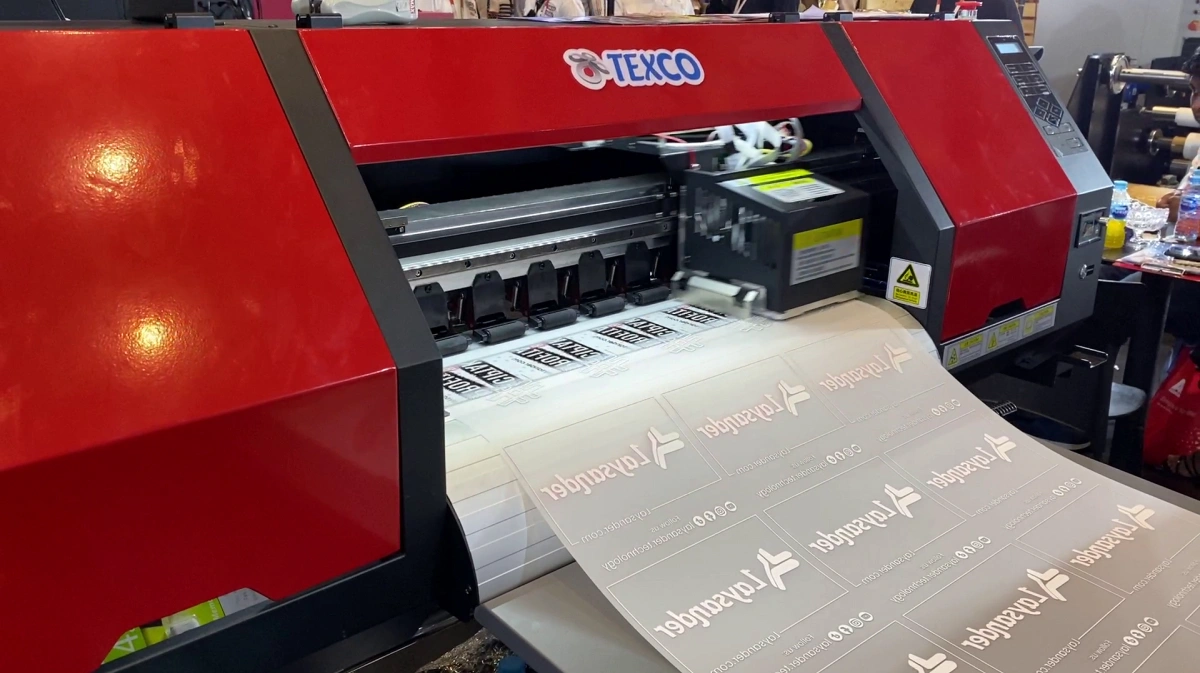
DTF printing revolutionizes garment customization by merging digital precision with transfer technology. This innovative process lets you create vibrant, durable designs on virtually any fabric imaginable.
What Is DTF Printing and How Does It Work?
Direct-to-Film printing, or DTF, transforms garment customization by allowing designs to be printed onto special PET films before transferring to fabrics. This innovative textile printing method delivers high-quality textile prints for custom apparel printing.
Let’s investigate how DTF vs screen printing works in four simple steps:
- Your design is printed in reverse onto a specialized PET film
- Hot-melt adhesive powder is applied to the printed design
- The powder melts under controlled heat, creating a transfer-ready image
- The design is heat-pressed onto your garment, creating durable results
You’ll love how DTF printing offers exceptional detail and vibrant colors across multiple fabric types. For optimal print quality and professional results, use DTF inks with particle sizes under 300nm when creating your designs.
Advantages of DTF Printing
When comparing modern textile printing methods, DTF technology stands out with remarkable advantages that transform garment customization.
You’ll appreciate DTF’s versatility compared to traditional screen printing. It works on virtually any fabric type with excellent durability.
DTF ink technology delivers vibrant, wash-resistant results while being more eco-friendly textile printing than conventional methods.
Looking at dtf vs. screen printing, you’ll find it’s more cost-effective printing for garments, especially for small batches.
Advanced printing for textiles doesn’t get better than this – there’s no minimum order requirement, and you can print intricate designs with perfect detail.
The setup time is minimal, and you’ll get consistent quality across all your prints.
High-quality modern DTF printers are characterized by their ability to produce superior print quality and consistent reliability across various models.
Limitations of DTF Printing
While DTF printing offers impressive capabilities, it comes with several limitations worth considering before investing in this technology.
Let’s investigate the key constraints you’ll encounter with the DTF print process compared to traditional screen print vs. heat transfer methods:
- Commercial DTF printers require specific ink formulations, making it challenging to find the best ink for DTF printing at competitive prices
- The digital textile printing workflow demands precise temperature control during transfer
- Initial equipment costs are higher than low-cost printing for textiles alternatives
- Print durability may not match screen printing’s longevity on certain fabric types
You’ll need to weigh these limitations against your specific business needs and production goals.
Screen Printing (Manual Printing)

Screen printing is a time-tested art form that pushes ink through mesh screens to create lasting impressions on fabric. This hands-on technique transforms simple designs into vibrant, wear-resistant prints that have revolutionized custom apparel for decades.
What Is Screen Printing and How Does It Work?
Screen printing stands as one of the most traditional and widely-used methods for applying designs to fabrics and other materials. It’s particularly effective for bulk garment printing and industrial textile printing needs.
The manual screen printing process follows these key steps:
- A mesh screen is coated with light-sensitive emulsion and dried
- The design is transferred to the screen through UV exposure
- Plastisol ink is pushed through the mesh using a squeegee
- The printed item passes through a heat tunnel for curing
You’ll find this method especially valuable for custom t-shirt printing when you need consistent results across large quantities. The versatility and durability of screen printing make it a go-to choice for professional applications.
Advantages of Screen Printing
Despite its traditional roots, screen printing offers distinct advantages that make it a top choice for high-volume textile production.
You’ll find professional textile printing at its finest with large-scale screen printing. It’s perfect when you need hundreds or thousands of identical prints.
Water-based screen printing delivers vibrant, long-lasting colors that won’t crack or peel like some heat transfer printing methods.
For eco-conscious printing options, screen printing’s minimal waste and fabric printing solutions make it environmentally responsible.
You’ll appreciate the cost-effectiveness when printing in bulk. The more items you print, the lower your per-unit cost becomes.
The durability of screen-printed designs means your products will maintain quality through numerous washes.
Limitations of Screen Printing
Although screen printing excels at high-volume production, you’ll face several key limitations with manual printing methods. Let’s investigate why many businesses are switching to flexible printing solutions like DTF and sublimation.
- You’re restricted to simple designs since high-detail textile prints are challenging with manual screens
- Each color requires a separate screen setup, making small business printing solutions costly
- You can’t easily switch between designs like with fast fabric printing methods
- Setup times are lengthy compared to automated screen printing and DTF technologies
When you need versatility and quick turnarounds, modern digital solutions often make more sense for your business growth.
DTF vs. Screen Printing: A Detailed Comparison
Making the right choice between printing methods can dramatically impact your textile business success. Let’s investigate how DTF and screen printing stack up against each other in today’s print-on-demand solutions landscape.
| Feature | DTF Printing | Screen Printing |
|---|---|---|
| Setup Time | 15-30 minutes | 2-4 hours |
| Color Options | Unlimited | Limited by screens |
| Cost Per Print | $2-5 | $0.50-2 |
| Production Speed | 12-15/hour | 100+/hour |
You’ll find DTF offers superior flexibility for small batches and complex designs. It’s becoming a go-to choice in textile industry printing trends.
Screen printing still dominates large-volume orders where vibrant color printing methods matter most.
Conclusion
When choosing between DTF and screen printing, your production needs and business goals will determine the best fit. The best fabric printing method depends on your unique requirements.
Here’s what you’ll want to evaluate:
- DTF transfer sheets offer flexibility for small-batch orders and diverse fabric types
- Screen printing remains cost-effective for wholesale textile printing and large runs
- Direct-to-garment printing provides excellent detail but requires specific fabrics
- Your textile printing machine comparison should factor in startup costs and maintenance
DTF’s versatility makes it an attractive choice for modern business printing strategies. Consider starting with DTF if you’re looking to maximize flexibility while minimizing initial investment. Achieving consistent, high-quality print results across various materials relies heavily on dependable technology. If you’re seeking a trusted DTF printing solution to launch or expand your business, explore the range of machines and solutions from DTF FEDAR.