
DTF vs. Plastisol: A Complete Guide for Print Business Owners
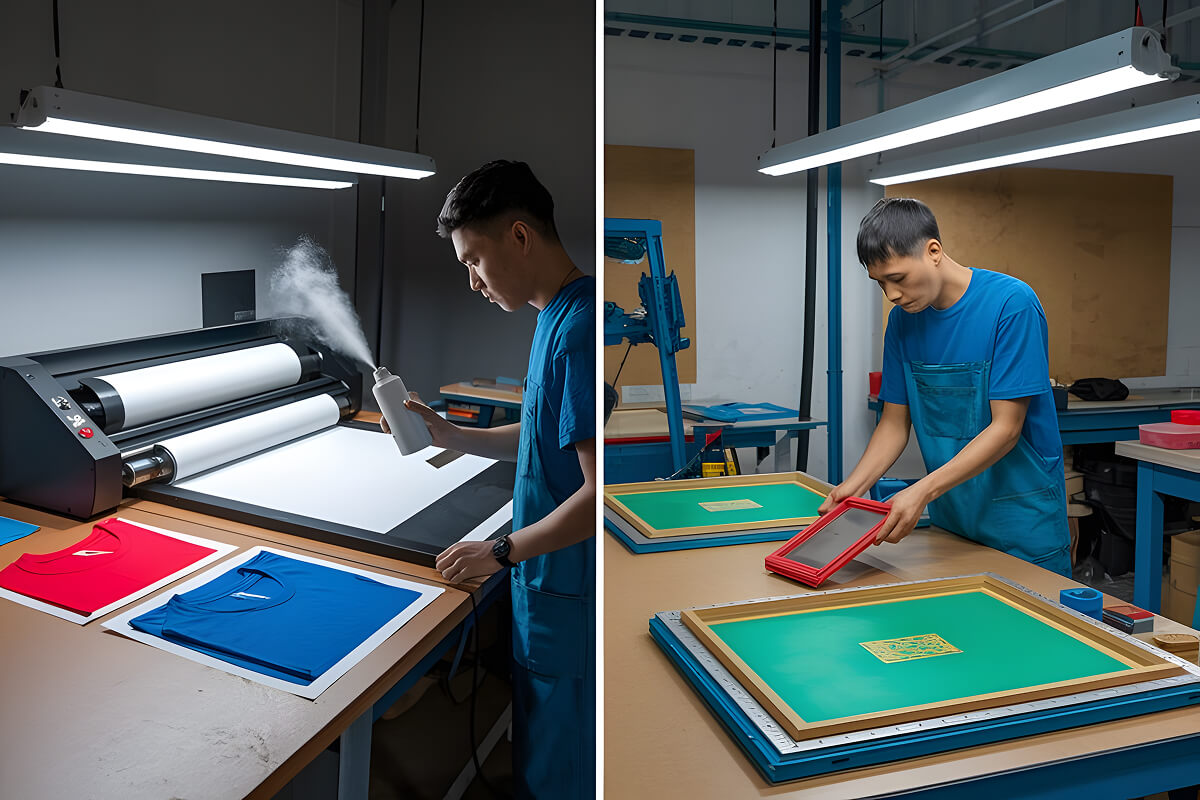
DTF and plastisol printing each offer distinct advantages for your print business. DTF provides lower startup costs ($2,000-$5,000), requires less maintenance, and excels with vibrant colors on multiple fabrics. Plastisol, while having higher initial costs ($10,000+), delivers consistent results for large production runs and offers exceptional durability. Your choice depends on your budget, production volume, and target market. Let’s examine these methods in detail to help you make the best decision for your business.
What Is DTF Printing?
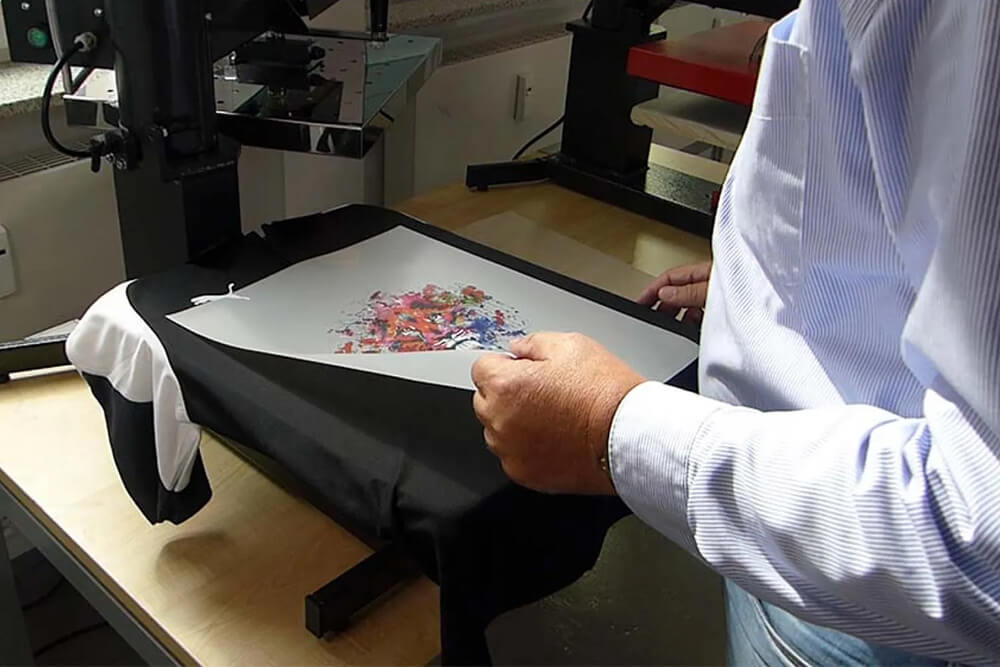
DTF printing revolutionizes the way designs are transferred onto fabrics, using a unique film-based process that’s changing the custom apparel industry. Its growing popularity stems from its ability to create vivid, long-lasting prints on almost any material imaginable.
Advantages of DTF Printing
Direct-to-Film (DTF) printing transforms how you’ll approach custom garment decoration. You’ll notice immediate advantages over traditional plastisol printing through superior print quality and versatility.
DTF delivers exceptional durability that withstands multiple washes without cracking or fading. You’re no longer limited by fabric type – print on cotton, polyester, or blends with equal effectiveness.
Your print quality will shine with vibrant colors and precise details that plastisol can’t match. The process requires less setup time and maintenance.
You’ll appreciate the eco-friendly aspect too. DTF uses water-based inks that meet sustainability standards while maintaining professional results.
Get ready to expand your custom apparel printing capabilities with this innovative technology.
With official warranty coverage and comprehensive training programs, you’ll have the support needed to master this technology.
Disadvantages of DTF Printing
Although DTF printing offers numerous benefits, you’ll need to contemplate several key limitations before investing in this technology.
When comparing dtf vs. plastisol, you’ll find that dtf transfer prints may require more maintenance and monitoring during production.
Print longevity can be a concern if proper curing temperatures aren’t maintained, potentially affecting ink adhesion over time.
The initial setup isn’t as cost-effective printing as traditional methods, requiring specialized equipment and materials.
You’ll need to factor in powder application and curing steps, which add time to your production process.
The technology’s learning curve might slow down your workflow until your team masters the technique.
Most DTF printers require a white ink stirring system to maintain consistent print quality throughout production runs.
What Is Plastisol Printing?

Plastisol printing stands as one of screen printing’s most trusted techniques, using specialized PVC-based inks to create lasting garment designs. The process transforms ordinary fabrics into vibrant, wear-resistant apparel through a fascinating combination of mesh screens and heat-cured inks.
Advantages of Plastisol Printing
Plastisol printing stands as one of the most durable and versatile methods in the garment decoration industry.
You’ll love how plastisol ink delivers consistently high-quality prints across large production runs. The colors stay vibrant and bold on virtually any fabric color.
Screen printing with plastisol gives you exceptional durability. Your prints won’t crack, fade, or peel even after numerous washes.
You can achieve precise detail and smooth gradients in your garment printing projects. The ink sits on top of the fabric, creating raised designs that customers can feel.
The print consistency is remarkable. You’ll get identical results from the first shirt to the last.
While setup costs are higher initially, plastisol becomes more cost-effective for bulk orders exceeding 100 shirts.
Disadvantages of Plastisol Printing
While screen printing with plastisol offers many benefits, you’ll need to evaluate several important drawbacks before investing in this technology.
Setup requires significant time and labor for each design. You’ll face higher costs when printing small batches compared to DTF.
The plastisol ink creates a heavier feel on fabrics that many modern consumers don’t prefer. Today’s market demands soft feel print quality.
Wash resistance can be inconsistent if curing temperatures aren’t precisely controlled. You might see cracking or peeling over time.
Complex designs with multiple colors need separate screens. This makes screen print vs. DTF comparisons favor DTF for detailed t-shirt printing projects.
Environmental concerns exist due to plastisol’s PVC content. Your eco-conscious customers may prefer greener alternatives.
With growing emphasis on sustainable materials management, businesses are increasingly seeking eco-friendly printing alternatives that minimize environmental impact while maintaining quality.
DTF vs. Plastisol Printing: A Side-by-Side Comparison
When comparing t-shirt printing methods for your business, two popular options stand out: DTF and plastisol printing. Let’s investigate their key differences to help you make an informed decision.
| Feature | DTF Printing | Plastisol Printing |
|---|---|---|
| Setup Time | 15-30 minutes | 1-2 hours |
| Production Cost | $0.50-2 per print | $2-5 per print |
| Durability | 50+ washes | 100+ washes |
| Versatility | Multiple fabrics | Best on cotton |
You’ll find DTF printing offers quicker setup and lower costs per print. It’s perfect if you’re running a modern custom t-shirt business focusing on small batches and diverse materials.
Direct-to-film printing gives you more flexibility with minimal waste. The technology’s advancing rapidly, making it an increasingly attractive option for forward-thinking print shops.
Key Factors to Consider When Choosing a Printing Method
Choosing the right printing method can make or break your textile business venture. The decision between modern and traditional printing techniques requires careful consideration of several game-changing factors.
Project Type and Material
Before choosing between DTF and plastisol printing, you’ll need to take into account two essential factors: your project type and the materials you’re working with.
DTF film technology offers print business profitability through versatile t-shirt customization options. You’ll find it works excellently with both light and dark fabrics.
- Professional screen printing with plastisol remains ideal for bulk orders of 50+ identical items
- DTF excels in small-batch orders and detailed designs with textile ink that maintains vibrancy
- Your material choice affects durability – plastisol bonds well with cotton while DTF handles multiple fabric types
Consider these differences when mapping out your production strategy and pricing structure.
Quantity and Run Length
Production volume plays a major role in determining whether DTF or plastisol printing will be more cost-effective for your business.
For small business printing needs under 50 pieces, DTF offers greater flexibility and lower setup costs. You’ll appreciate its quick turnaround for custom orders.
When handling bulk order printing of 100+ pieces, plastisol becomes more economical due to reduced per-unit costs. The initial setup investment pays off with higher volumes.
DTF shines in vibrant color printing for varied quantities, making it ideal for diverse apparel decoration projects. You can easily transition between small and medium runs without significant cost variations.
Consider your typical order sizes when choosing between these methods. Your production sweet spot determines the best fit.
For efficient high-volume production, modern heat press machines with temperature controls ranging from 0-399°C ensure consistent quality across large batch runs.
Budget Considerations
The initial investment differences between DTF and plastisol printing can significantly impact your business decisions. Let’s break down the key budget considerations for your startup print business.
- DTF printing equipment requires a lower upfront investment ($2,000-$5,000) compared to plastisol screen printing setups ($10,000+)
- DTF offers cost-effective eco-friendly printing with minimal waste and lower maintenance costs
- Plastisol requires ongoing expenses for screens, chemicals, and storage space
You’ll find DTF’s digital workflow reduces labor costs and eliminates screen storage needs. This makes it an attractive option if you’re working with limited capital but want professional-quality output.
Conclusion
Making the right choice between DTF and plastisol printing depends on your unique business needs and goals. Your decision will shape your textile printing journey and operational efficiency.
DTF offers remarkable versatility for clothing brand printing across multiple fabrics. It’s perfect if you’re seeking a modern heat transfer printing solution with minimal setup costs.
Plastisol remains a reliable choice for high-volume orders and durability. However, DTF’s rising popularity signals a shift in the best printing method preferences.
Consider your target market, production volume, and growth plans. Both methods have their place in today’s dynamic printing industry. Choose the one that aligns with your vision and customer demands.
To help you choose the right DTF printer, you can read our article on how to choose a DTF printing machine. And if you’re looking for a high-quality DTF printer, you can also check out our DTF printer category page.