
How to Launch a Profitable Custom Jersey Business: Complete Guide
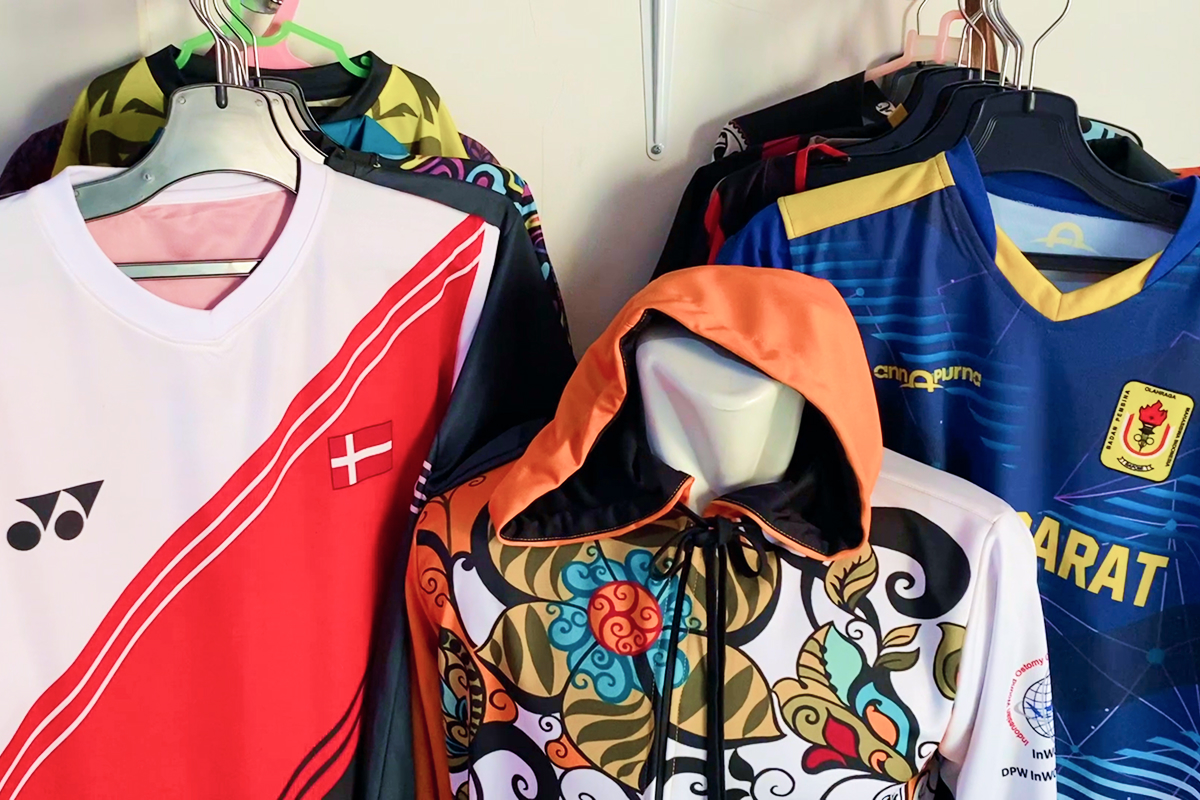
To launch a profitable custom jersey business, you’ll need to start with market research to identify your ideal customers and develop detailed buyer personas. Focus on securing a strategic location near sports facilities and schools while investing in essential equipment like DTF printers ($2,000-$15,000) and heat presses ($3,000-$5,000). Establish quality standards, implement competitive pricing strategies with 50-100% markups, and create targeted marketing campaigns. By mastering these fundamentals, you’ll position yourself for success in this dynamic industry.
Key Takeaways
- Invest in quality equipment including DTF printer, heat press, and design software to produce professional-grade custom jerseys efficiently.
- Create detailed buyer personas of target customers to tailor marketing strategies and product offerings effectively.
- Choose a strategic location near sports facilities, schools, and commercial districts to maximize foot traffic and business opportunities.
- Establish clear quality standards for materials and printing while implementing competitive pricing with appropriate profit margins.
- Develop streamlined operations workflow and strong customer service systems for consistent product delivery and satisfaction.
Understanding Your Market

Before you start printing those awesome jerseys, you’ll need to get crystal clear on who’ll be wearing them. You’ll want to map out your ideal customers’ traits – from their age and income to their interests and buying habits. Creating detailed buyer personas helps you tailor everything from your jersey designs to your marketing message, ensuring you’re speaking directly to the people most likely to love your products.
Identifying Target Demographics
Successful jersey businesses start with a deep understanding of who’ll buy your products. You need to identify and analyze your core customer segments.
Your target market for custom sports uniforms typically includes:
- Local sports teams and leagues seeking professional-quality jerseys
- School athletic programs needing consistent team uniforms
- Corporate organizations planning team-building events
- Individual athletes wanting personalized training gear
You’ll want to research your demographics’ age ranges, income levels, and purchasing behaviors. This data helps you tailor your designs and marketing strategies.
Understanding your target market lets you create products that truly resonate with your customers’ needs and preferences.
Consider using DTF printing technology to offer vibrant, durable designs that can withstand numerous washes while maintaining exceptional print quality.
Understanding Customer Psychology
Once you’ve identified who your customers are, getting inside their minds is the next big step. You’ll need to understand their emotional triggers and buying behaviors.
Your custom jersey business will thrive when you grasp why customers make purchases. They’re often seeking identity and belonging.
Sports fans want to show team loyalty. Athletes need performance and comfort. Organizations want unity and recognition.
You’ll notice that most buyers have specific pain points. Maybe they’re tired of generic designs or frustrated with poor quality.
Understanding these psychological drivers helps you create targeted marketing messages and products that truly resonate.
Athletes particularly value jerseys made with Dri-Fit technology due to its moisture-wicking capabilities and versatility in performance wear.
Analyzing Buying Behavior
Smart business owners plunge deep into their customers’ buying patterns. In the custom jersey manufacturing business, understanding purchasing behavior helps you stay ahead of trends.
Your target customers typically show these key buying patterns:
- Making purchases around sports seasons and special events
- Preferring group orders for teams and organizations
- Shopping based on social media influencer recommendations
- Comparing prices across multiple vendors before buying
You’ll want to track these patterns in your market area. This data helps you time promotions and stock inventory effectively.
Consider offering DTF printing options to provide more vibrant and durable designs that appeal to trend-conscious buyers.
Remember that buying behaviors shift with trends. Stay flexible and keep monitoring your customers’ evolving preferences.
Creating Buyer Personas
While understanding general buying patterns gives you a foundation, creating detailed buyer personas helps you target your ideal customers with laser focus.
Let’s investigate your core customer types. Start by developing 3-4 distinct buyer personas representing your main market segments.
You’ll want to name each persona and outline their key characteristics. Think about Mark, the 35-year-old recreational soccer player who values quality team gear.
Consider Sarah, the college esports team manager looking for custom jerseys that stand out on stream.
Don’t forget about Tom, the local company’s HR director who orders matching jerseys for corporate events.
With DTF printing technology, you can efficiently serve all these personas by offering vibrant, durable designs that last over 50 washes.
Strategic Location Planning
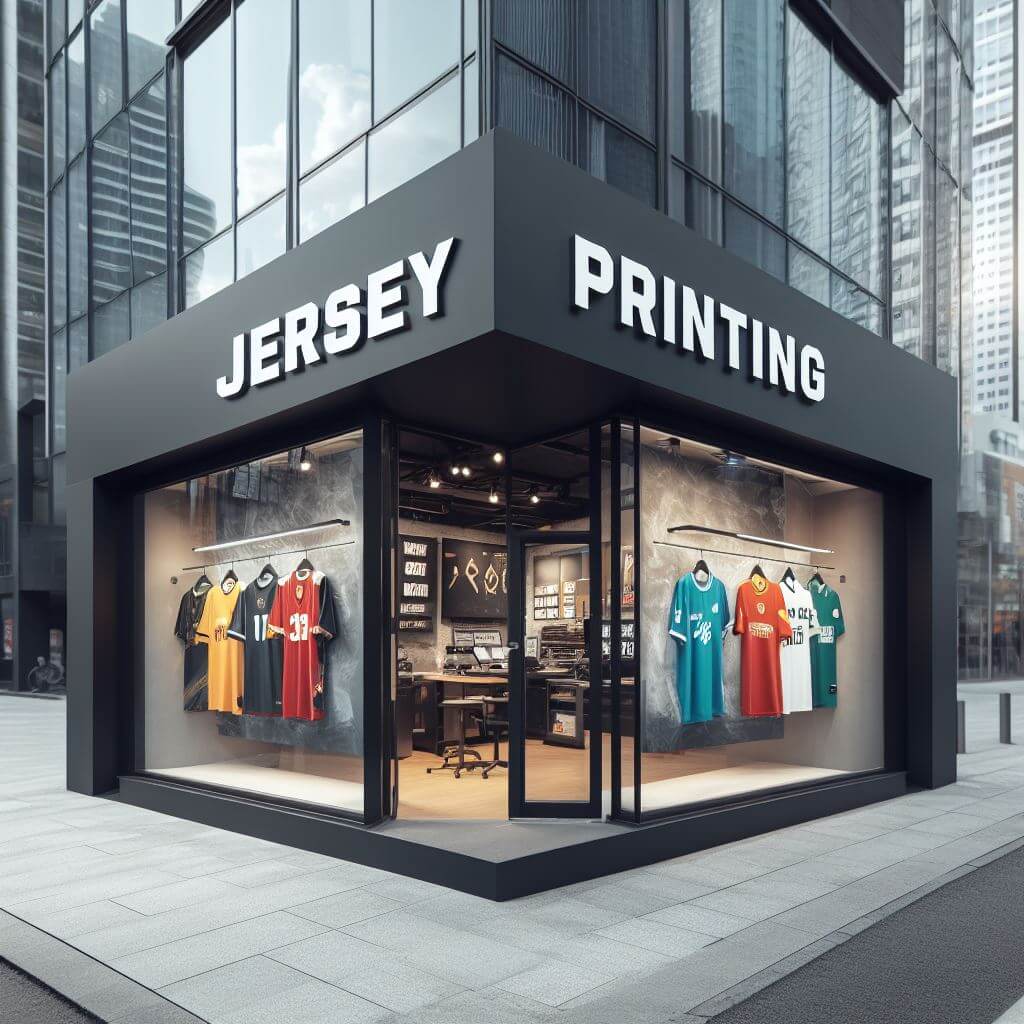
When you’re scouting the perfect spot for your custom jersey business, you’ll want to evaluate high-traffic commercial districts near offices, schools, and sports complexes that naturally attract your target customers. You can maximize your visibility and sales potential by positioning your shop where athletes, students, and sports enthusiasts frequently gather. Setting up near educational institutions or sports facilities might cost more in rent, but the increased foot traffic and natural customer base often justify the investment for a custom jersey business.
Commercial District Advantages
Location powerhouses like busy commercial districts offer significant advantages for your custom jersey business. You’ll position yourself as a premier sports uniform supplier in high-traffic areas.
Strategic commercial zones give you direct access to your target market. These districts often house complementary businesses that can improve your visibility.
- Higher foot traffic means increased spontaneous customer visits
- Proximity to corporate offices creates B2B opportunities
- Networking potential with nearby sports facilities and gyms
- Amplified credibility from being in a recognized business hub
You’ll benefit from the district’s established infrastructure and security. Professional areas typically offer reliable utilities and maintenance services.
Educational Institution Proximity
Setting up near educational institutions puts your custom jersey business in a prime position to capture a massive student market. You’ll tap into sports teams, clubs, and student organizations needing custom team wear.
Students love representing their school spirit through personalized jerseys. You’ll benefit from regular orders during sports seasons and special events.
Your proximity to educational institutions creates natural marketing opportunities. You can partner with athletic departments and student groups.
Consider locations near multiple schools to maximize your reach. The steady flow of students provides a reliable customer base year after year.
Remember to offer student discounts to drive more sales.
Sports Facility Considerations
A thriving custom jersey business needs close proximity to sports facilities and athletic centers. Your sports apparel production will benefit from this strategic positioning.
You’ll want to carefully analyze potential locations near active sports complexes. This placement helps you capture both team and individual orders.
- Set up near multi-sport complexes to access diverse athletic communities
- Position near training facilities where teams regularly practice
- Consider locations close to sports medicine centers or gyms
- Look for areas with youth sports leagues and recreational programs
Remember that foot traffic from athletes and sports enthusiasts can significantly boost your walk-in sales. Being visible to your target market makes attracting new customers easier.
Location Cost-Benefit Analysis
When choosing your custom jersey shop’s location, you’ll need to carefully weigh the costs against potential returns. Your location cost-benefit analysis should factor in both immediate and long-term expenses.
You’ll want to evaluate rent prices against foot traffic potential. A prime spot near sports facilities might cost more but could drive significantly higher sales.
Consider your sportswear manufacturing setup requirements. Some locations offer better utility rates and zoning flexibility for production equipment.
Don’t forget to factor in accessibility for both customers and suppliers. A slightly higher rent in a well-connected area might actually save you money on logistics costs.
Investment Requirements
You’ll need to make smart investments in key equipment to get your custom jersey business up and running. Your initial equipment costs should focus on essential items like a sublimation printer ($15,000-25,000), heat press roll machine ($3,000-5,000), high-performance computer ($2,000-3,000), and quality printing supplies. While these investments might seem substantial, they’re vital for producing professional-grade jerseys that’ll help you stand out in the market.
Sublim Printer
The sublimation printer stands as one of the most significant investments you’ll make for your custom jersey business. It’ll transform your digital designs into vibrant, long-lasting prints that won’t fade or crack.
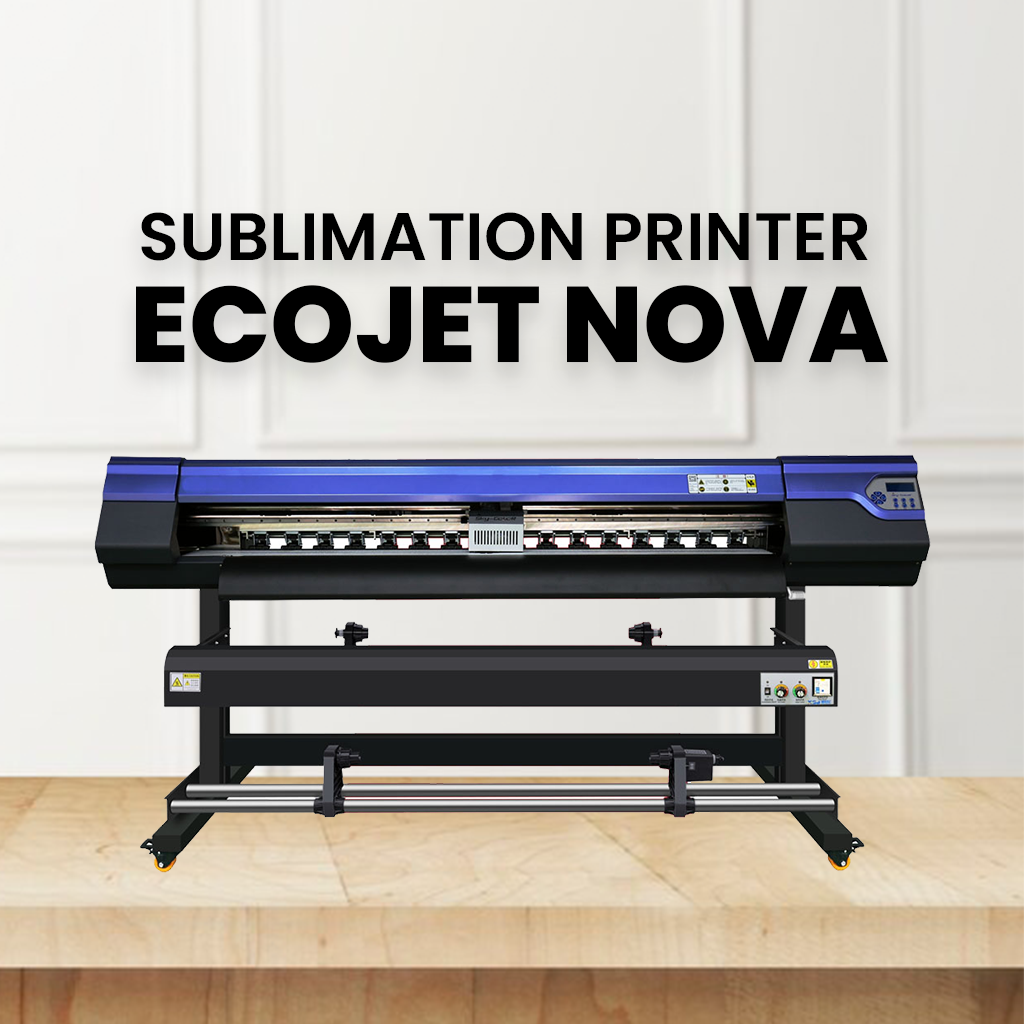
Choose a printer that matches your production volume and quality requirements. Professional sublimation printing demands reliable equipment.
- High-end models range from $5,000 to $15,000
- Entry-level options start around $2,000
- Look for printers with at least 1440 dpi resolution
- Confirm compatibility with sublimation inks and paper
Consider starting with a mid-range printer if you’re new to the business. You can always upgrade as your customer base grows.
Advanced models like the Epson SC-F10030 offer Variable-Sized Droplet Technology for exceptional print quality and production speeds.
Heat Press Roll to Roll

Investing in a quality heat press roll to roll machine forms the backbone of any successful custom jersey business. You’ll need to set aside $3,000-$5,000 for a reliable model.
Your heat transfer printing setup requires careful consideration of size and specifications. Look for machines with adjustable temperature controls and consistent pressure distribution.
Consider machines offering dual platens for increased productivity. You’ll want features like digital time settings and automatic pressure adjustment.
The best models come with warranty coverage and technical support. Don’t skimp here – a quality heat press will pay for itself through reliable, professional results.
Remember to factor in maintenance costs and replacement parts in your budget planning.
For optimal printing results, choose machines with an oil-based heating system that ensures even heat distribution and prevents temperature fluctuations across the fabric surface.
Computer
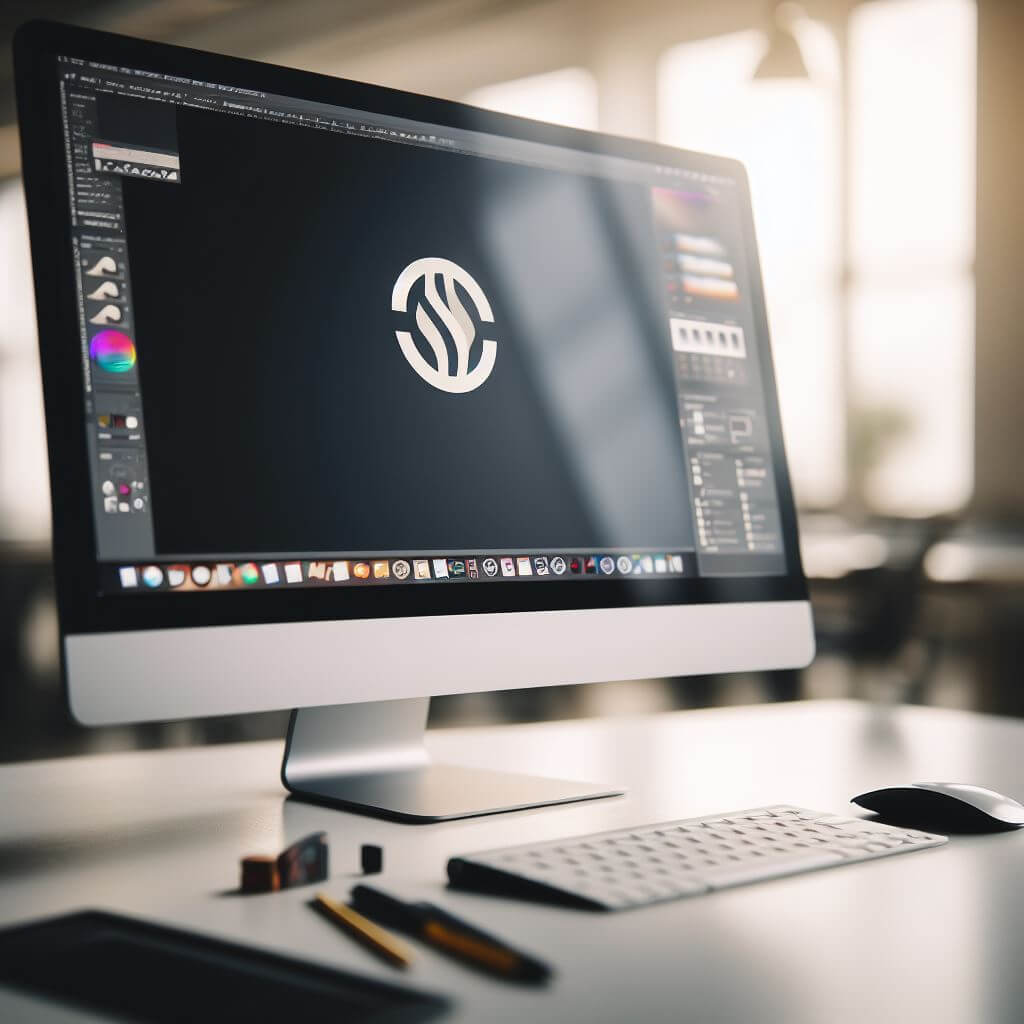
Beyond quality printing equipment, a powerful computer setup stands at the heart of custom jersey design work. Your digital textile printing success depends on having the right tech specs.
- High-performance CPU (i7 or better) for seamless design work
- Minimum 32GB RAM to handle complex graphics
- Professional graphics card with 8GB+ VRAM
- 4K monitor for precise color accuracy
You’ll want to invest in a system that can handle demanding design software. Think of your computer as your creative command center.
Remember to keep your hardware updated as digital textile printing technology evolves. Your computer’s capabilities directly impact your design efficiency.
Other Printing Equipment
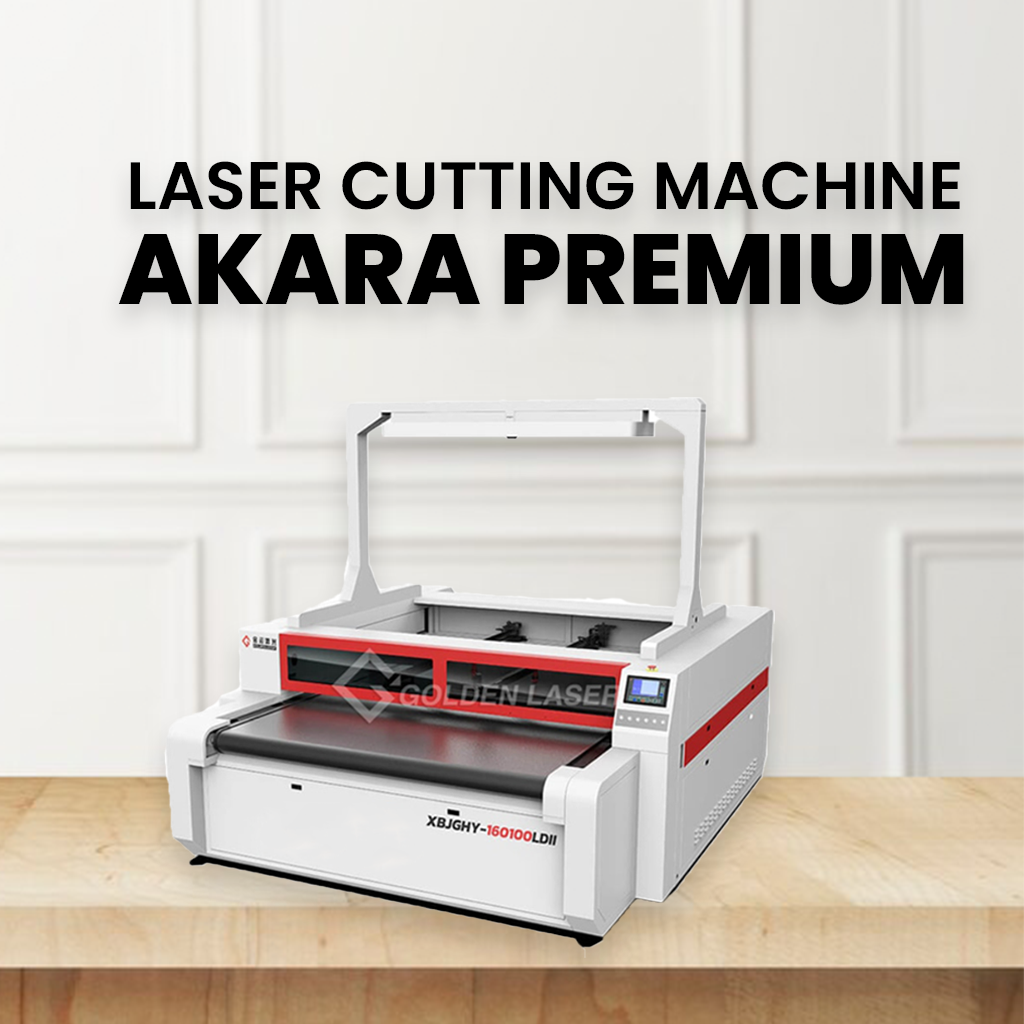
Several essential pieces of printing equipment will complete your custom jersey production setup beyond just computers and printers.
You’ll need a reliable heat press to transfer your designs onto jerseys with precision. A cutting machine helps create intricate designs and stencils.
Consider investing in a vinyl cutter for specialized jersey printing machinery needs. It’s perfect for names and numbers.
Don’t forget measurement tools and quality control equipment to guarantee consistent results.
A steamer helps smooth fabrics before printing, while a curing unit ensures your designs stay permanent.
Storage racks and organizing systems keep your materials and finished products in pristine condition.
Other Additional Costs
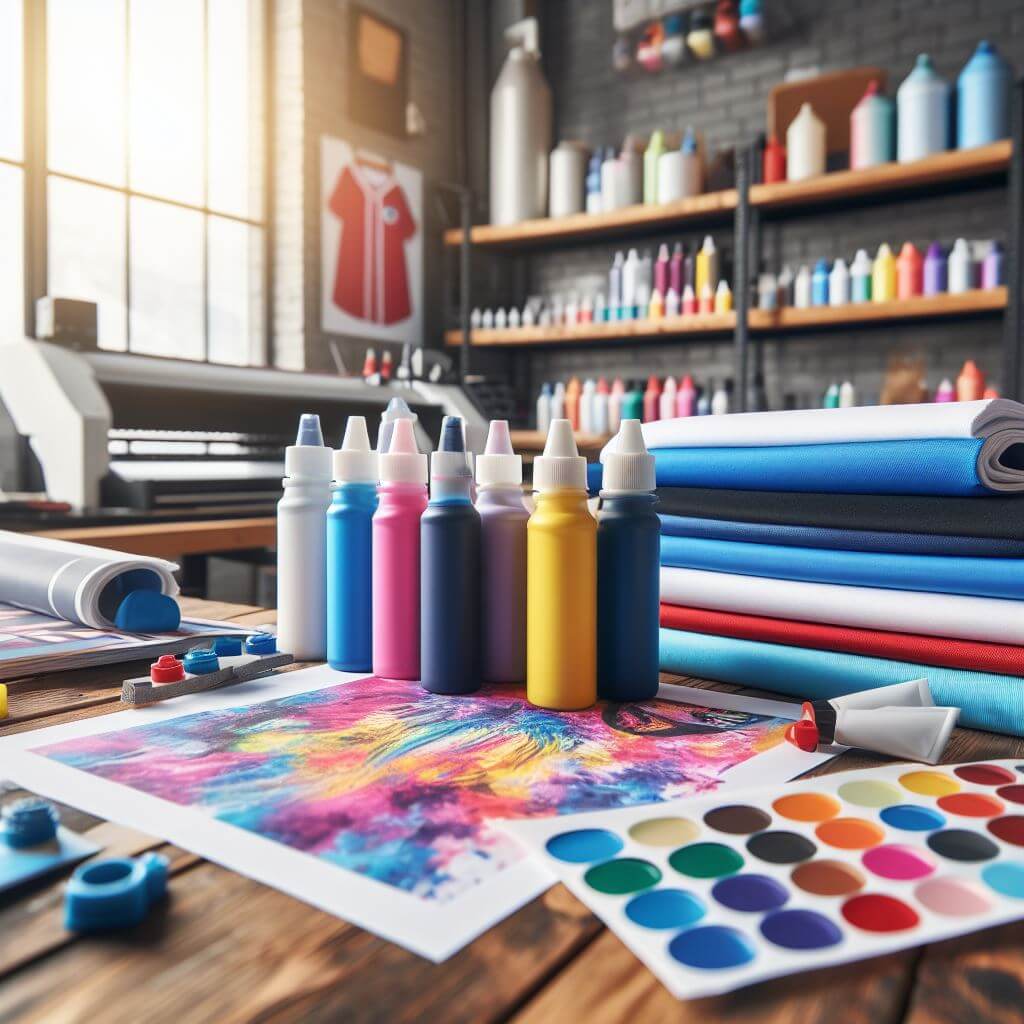
Starting a custom jersey business requires multiple financial considerations alongside your core equipment. You’ll need to account for various jersey manufacturing costs beyond just machines.
- Business permits and licensing fees for legal operation
- Inventory storage solutions and organizational systems
- Marketing expenses including website development
- Employee training and workspace setup costs
These additional investments help create a stable foundation for your business. Many entrepreneurs overlook these essential expenses when planning their budget.
Smart planning means anticipating both obvious and hidden costs. You’ll want to maintain a financial buffer for unexpected expenses that may arise during your first year of operation.
Raw Material Surcharge
A significant portion of your initial investment will focus on raw materials for jersey production. You’ll need to maintain adequate raw material inventory to guarantee smooth operations.
Quality fabrics and printing materials directly impact your jersey business profit margins. Stock up on moisture-wicking polyester and cotton blends.
You’ll want to calculate a 15-20% surcharge on materials to cover potential price fluctuations. This buffer protects your bottom line.
Consider bulk purchasing when possible to reduce costs. However, don’t overstock seasonal materials.
Track your material usage carefully. Smart inventory management helps you maintain healthy profit margins while meeting customer demands.
Rent, Operation & Employee Salary
The initial investment for your custom jersey business must factor in major operational expenses like rent, utilities, and employee compensation.
Your sports apparel business plan should include these key monthly costs:
- Commercial space rent: $1,500-3,000 for a 500-1,000 sq ft retail/production area
- Utilities (electricity, water, internet): $400-600
- Employee salaries: $2,500-3,500 per skilled worker
- Equipment maintenance: $300-500
You’ll need to budget at least $6,000 monthly for these basic operational expenses. Location significantly impacts your rent costs, so carefully evaluate different areas before committing to a lease.
Consider starting small and scaling up as your business grows.
Product Development Strategy

You’ll want to kick off your product development by researching what jersey styles and designs are most popular in your target market. Your product line needs clear quality standards for materials, printing, and stitching to meet customer expectations and stand out from competitors. Setting the right price points means carefully balancing your production costs with market rates while leaving enough margin for sustainable business growth.
Market-Driven Product Selection
Successful product development starts with understanding what your market truly wants. Your custom sportswear manufacturing line should reflect real customer needs.
Research shows today’s jersey buyers want these key features:
- Premium moisture-wicking fabrics for comfort
- Eco-friendly materials that align with sustainability values
- Custom design options with quick turnaround times
- Size-inclusive ranges that fit diverse body types
You’ll need to regularly analyze market trends and adjust your product lineup. Stay ahead by monitoring sports fashion developments and emerging team sports preferences.
Evaluate new products with small batches before scaling up. This reduces risk while maximizing your potential for success.
Quality Standards and Specifications
While developing custom jerseys requires creativity, maintaining strict quality standards forms the backbone of your product strategy. You’ll need to meet specific athletic wear production benchmarks.
Start by establishing minimum fabric requirements: moisture-wicking capabilities, breathability ratings, and color-fastness standards. Your materials should withstand at least 50 wash cycles.
Set clear specifications for printing resolution – aim for 300 DPI minimum. Guarantee seam strength meets industry standards of 25 pounds per inch.
You’ll want to implement a three-point quality check system: materials inspection, production monitoring, and final product assessment. This guarantees consistency across all orders.
Pricing Strategy Development
Building on rock-solid quality control, smart pricing becomes the next cornerstone of your jersey business’s success. You’ll need to balance profitability with market competitiveness in the custom athletic wear space.
Consider these essential pricing factors:
- Material costs plus 50-100% markup for standard jerseys
- Design complexity fees ranging from $10-50 per custom element
- Rush order premiums at 25-35% above base price
- Volume discounts starting at 10+ units
You’ll want to regularly analyze your competitors’ pricing strategies. Keep your margins healthy while staying attractive to your target market.
Remember to adjust your pricing seasonally for peak sports periods.
Business Launch Framework
You’ll need a strong launch framework that combines targeted marketing, streamlined operations, and exceptional customer service to get your custom jersey business off the ground. Setting up efficient production workflows while building your promotional strategy helps guarantee you can deliver quality products consistently from day one. Your focus on customer experience, from easy ordering to responsive support, will establish the foundation for sustainable growth and positive word-of-mouth referrals.
Marketing and Promotion
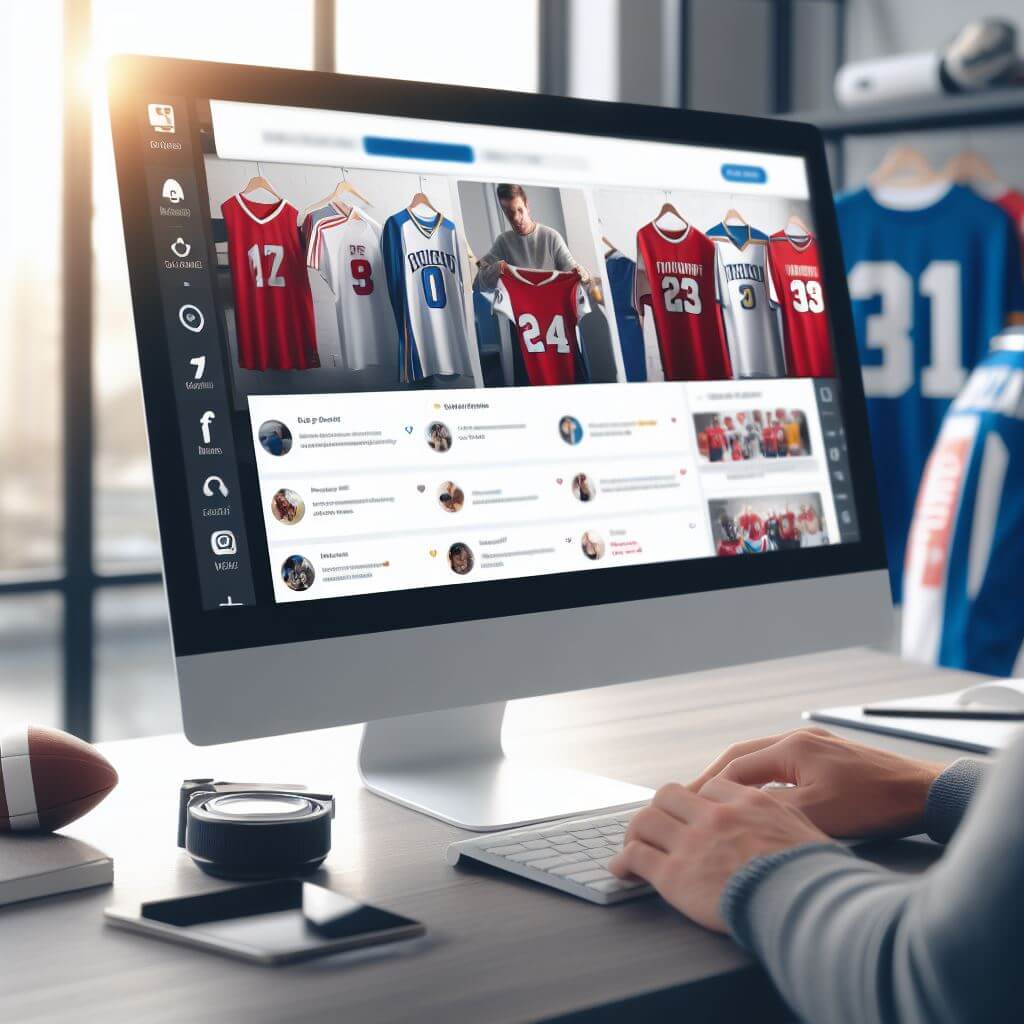
Since launching a successful custom jersey business requires strategic promotion, let’s plunge into proven marketing tactics that’ll help you stand out. Your marketing strategies should align with current sports apparel market analysis.
You’ll want to focus on building a strong digital presence where your target audience hangs out.
- Create engaging social media content showcasing custom designs
- Partner with local sports teams and influencers
- Implement targeted paid advertising on Instagram and Facebook
- Develop an email marketing system for repeat customers
Remember to track your marketing metrics and adjust your approach based on what’s working. Your promotional efforts should emphasize your unique value proposition and custom capabilities.
Operations Management
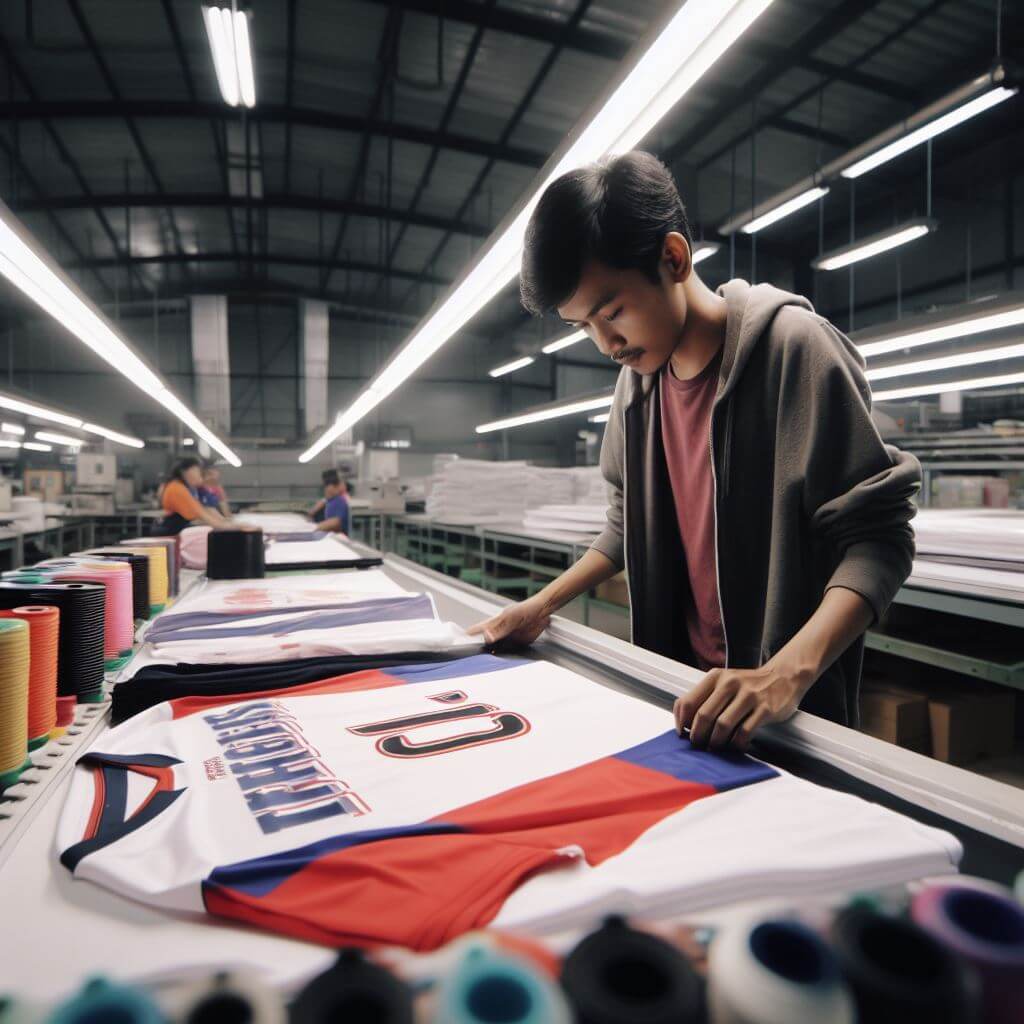
While creating eye-catching jerseys is essential, effective operations management forms the backbone of your custom jersey business.
You’ll need streamlined processes for jersey customization from order intake to delivery. Start by implementing a digital system to track orders and inventory.
Set up clear production workflows that your team can follow. This helps prevent costly mistakes and delays.
Establish quality control checkpoints at each stage of production. You don’t want customers receiving jerseys with misaligned prints.
Monitor your operational metrics daily. Track order completion times, material waste, and customer satisfaction scores.
Remember to regularly update your SOPs as you discover more efficient ways to operate.
Customer Service Excellence

Delivering exceptional customer service sets the foundation for a thriving custom jersey business. You’ll need to master customer service excellence to stand out in this competitive market.
Your jersey design services should prioritize client satisfaction through these essential practices:
- Offer real-time design consultations through video calls
- Provide detailed mockups before production starts
- Maintain clear communication about order status
- Implement a hassle-free revision policy
Remember to collect feedback after each order. This helps you refine your processes and builds trust with customers.
Create a dedicated support team that’s ready to handle inquiries promptly. Your responsiveness will become your competitive advantage.
Conclusion and Next Steps
Launching a custom jersey business represents an exciting opportunity in today’s growing personalization market. Your venture into team uniform manufacturing can thrive with the right approach and dedication.
You’ve now learned the essential elements needed for success. From identifying your target market to setting up operations and delivering exceptional service, you’re ready to take action.
Start by implementing these key steps:
- Create your business plan
- Secure necessary funding
- Choose your location
- Invest in quality equipment
- Build your online presence
Ready to take your business to the next level?
Contact us now for a FREE business consultation and discover how you can optimize your jersey printing business!