
7 Tips for Choosing the Right Contract Manufacturer

To choose the right contract manufacturer, you’ll want to verify their technical capabilities match your product needs, thoroughly check their reputation through client references, and analyze their pricing structure including minimum order quantities. Don’t forget to review their quality control processes, warranty terms, and production timelines while ensuring clear communication channels are established. A detailed manufacturing agreement covering IP protection and dispute resolution will protect your interests. Let’s investigate these essential factors in greater detail.
Understanding Contract Manufacturing
Partnership is the cornerstone of successful contract manufacturing. When you’re scaling your fashion brand production, finding the right manufacturing partner can make or break your business.
Contract manufacturing lets you focus on design and marketing while experts handle production. You’ll want to develop clear manufacturing agreements that protect both parties.
Smart textile sourcing and supplier selection require thorough research. Look for manufacturers with experience in your specific materials and techniques.
You’re not just choosing a vendor – you’re selecting a long-term business partner. Consider their communication style, technical capabilities, and commitment to quality standards.
Think of supplier selection like dating. You need compatibility, trust, and shared goals to succeed.
The speed to market advantage of contract manufacturing can help you respond quickly to changing fashion trends and consumer demands.
Contract Manufacturing vs. In-House Production
After finding potential manufacturing partners, you’ll face a key decision: should you manufacture in-house or outsource to contractors?
Consider your manufacturing capabilities and growth goals. Manufacturing outsourcing can reduce overhead while giving you access to specialized expertise in the textile industry.
Contract manufacturing services let you scale production without major capital investments. You’ll benefit from established supplier networks and quality control systems.
When choosing a manufacturer, thorough supplier vetting is essential. Look for partners with relevant certifications and a proven track record in your product category.
Remember that successful outsourcing requires clear communication and strong quality control processes on both sides.
Cost efficiency through shared resources with contract manufacturers can significantly lower your overall production expenses.
7 Essential Tips for Choosing the Right Contract Manufacturer
Finding the perfect contract manufacturer can make or break your product’s success in the market. The decision requires careful strategic planning and an understanding of key selection criteria that separate excellent manufacturing partners from mediocre ones.
1. Identify the Type of Product You Want to Manufacture
The foundation of successful contract manufacturing lies in having absolute clarity about your product.
You’ll need to determine if you’re seeking private label manufacturing or custom apparel manufacturing for your specific needs. Consider if your product requires specialized textile suppliers or ethical textile manufacturing practices.
When exploring apparel production services, define your product’s unique characteristics and manufacturing requirements. Think about materials, design complexity, and production volume.
Your product type will guide you toward manufacturers with the right expertise and equipment. Don’t settle for generalists when your product needs specialists.
Make a detailed specification sheet outlining every aspect of your product. This clarity will help you find the perfect manufacturing match.
For custom apparel printing needs, consider manufacturers equipped with DTF printing technology which offers vibrant, durable designs with lower technical barriers compared to traditional methods.
2. Research the Manufacturer’s Reputation

Researching your potential manufacturer’s reputation stands as your essential next step in finding the right manufacturing partner.
When evaluating textile contract manufacturing partners, you’ll want to verify their adherence to textile industry best practices. Check for quality certifications and sustainability credentials.
Look into how global textile suppliers rate them. Search for reviews and case studies from their existing clients.
Review their textile quality control processes and documentation standards. You’ll want evidence of consistent excellence.
Consider their longevity and stability in the market. Established manufacturers often have proven track records.
Don’t forget to request references from similar businesses in your sector. Their experiences can provide valuable insights.
3. Ask About Pricing and Payment Terms
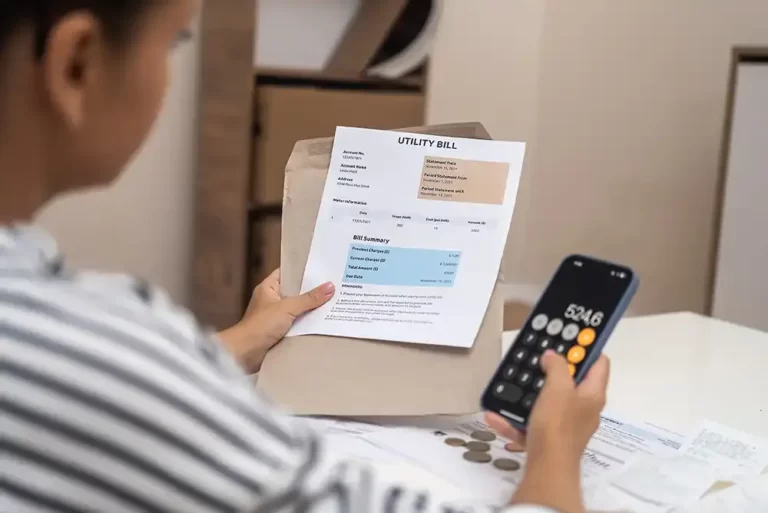
Understanding pricing and payment terms might seem overwhelming, but it’s crucial to get crystal clear on the financial aspects before partnering with a contract manufacturer.
You’ll want to analyze every cost component for your oem manufacturing or contract textile printing project. A thorough manufacturing cost analysis helps prevent surprises later.
When exploring private label clothing or textile factory partnerships, consider these key financial aspects:
- Request detailed breakdowns of per-unit costs, including materials and labor
- Negotiate flexible payment terms that align with your cash flow cycle
- Compare pricing tiers based on order volumes and get specifics about minimum order quantities
Keep documentation of all agreed-upon terms and payment schedules.
4. Compare Costs and Quality Across Different Manufacturers
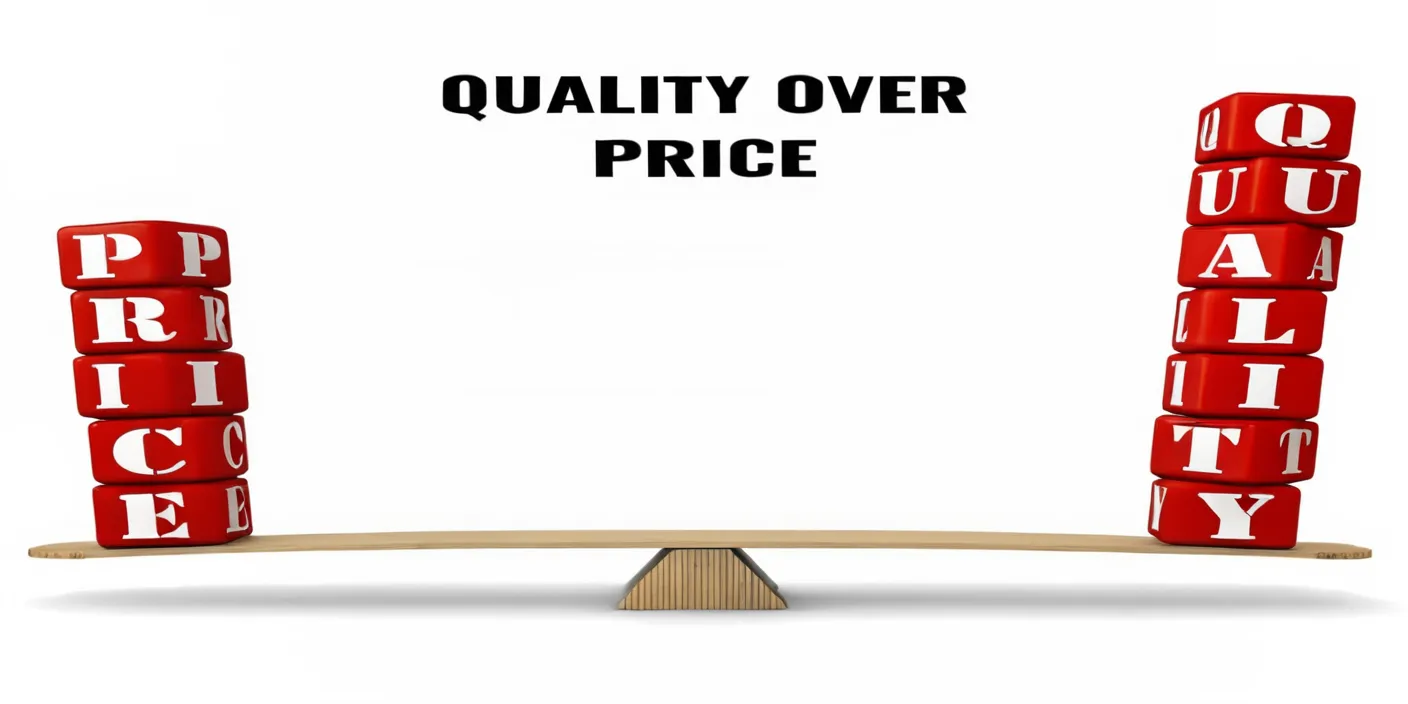
Once you’ve gathered pricing details from potential manufacturers, making smart comparisons becomes your next big step. Don’t just focus on the bottom line.
Look beyond basic contract printing services costs. Consider each manufacturer’s track record in business-to-business manufacturing and custom textile solutions.
You’ll want to evaluate their textile production capabilities against your quality standards. Request samples to assess their high-quality textile production firsthand.
Compare their equipment specifications and production capacity. Modern machinery often leads to better consistency.
Remember to factor in their quality control processes and certifications. The cheapest option isn’t always the most cost-effective in the long run.
Review their customer feedback and industry reputation. This reveals their real-world performance.
For textile printing services, choosing a maklon service provider can help minimize initial investment costs while maintaining product quality standards.
5. Understand the Production Process
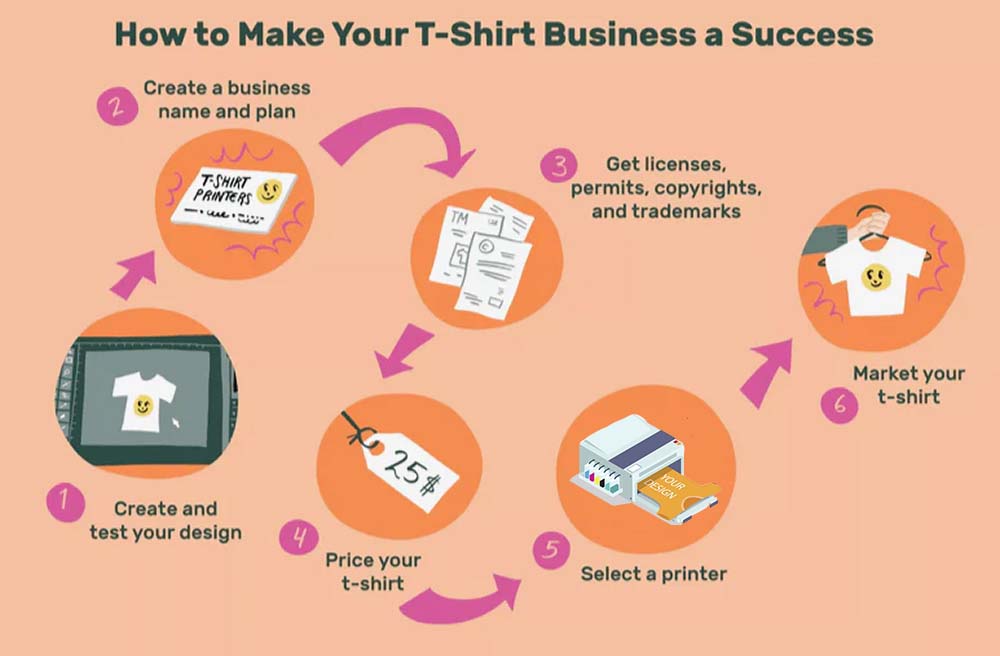
Getting familiar with your manufacturer’s production process helps you spot potential problems before they arise. When exploring sustainable textile manufacturing options, you’ll want to understand each step thoroughly.
Your fashion manufacturing partner should openly share their workflow. This transparency is essential for effective product sourcing strategies.
- Request a detailed walkthrough of their garment factory setup
- Observe how they handle quality control at each production stage
- Review their textile business documentation and compliance standards
Understanding proper quality control measures is especially crucial when manufacturing sensitive items like cosmetics and skincare products.
You’ll make smarter decisions when you understand the entire process. It’s like having X-ray vision into your manufacturing partner’s operations.
Let’s move on to evaluating their track record and performance metrics.
6. Inquire About Product Warranty and Guarantees
A strong warranty policy reveals how much faith manufacturers have in their own products. When exploring fabric printing partners, you’ll want comprehensive coverage that protects your investment.
Look for manufacturers offering detailed warranties covering white-label production and OEM textile solutions. You should expect at least a 12-month guarantee on custom fabric printing equipment.
Pay attention to how they handle apparel supply chain issues within their warranty terms. The best partners will provide clear documentation of what’s covered.
Don’t forget to verify if they include installation support and operator training in their warranty package. It’s a sign they’re committed to your success.
Leading manufacturers like Texco printers which ensure consistent, high-quality output backed by warranty protection.
7. Establish a Clear Manufacturing Agreement

Before diving into production, securing a detailed manufacturing agreement protects both you and your chosen textile printing partner. You’ll want clear terms that support your small business textile manufacturing goals.
When establishing agreements for bulk fabric production, include these critical elements:
- Production timelines and milestones for fashion startup manufacturing phases
- Quality control standards and testing procedures aligned with international textile sourcing requirements
- Pricing structures, minimum order quantities, and payment terms from best textile manufacturers
Remember to include provisions for intellectual property protection and confidentiality. You’ll also want to specify communication protocols and dispute resolution procedures that safeguard your business interests. Consider conducting transfer paper compatibility testing with your manufacturer to ensure optimal print quality for your specific fabric types.
Conclusion
Since partnering with the right contract manufacturer can make or break your textile printing business, carefully evaluating potential partners using the criteria we’ve discussed will help guarantee success.
When pursuing fabric production outsourcing, remember to assess their technical capabilities for large-scale fabric printing and startup apparel production. You’ll want a manufacturer who can support your textile product development journey.
Take time to research, visit facilities, and thoroughly evaluate each choosing a textile printer option. Trust your instincts, but back them with solid due diligence.
The right manufacturing partner will become an extension of your business, helping you scale efficiently and sustainably.
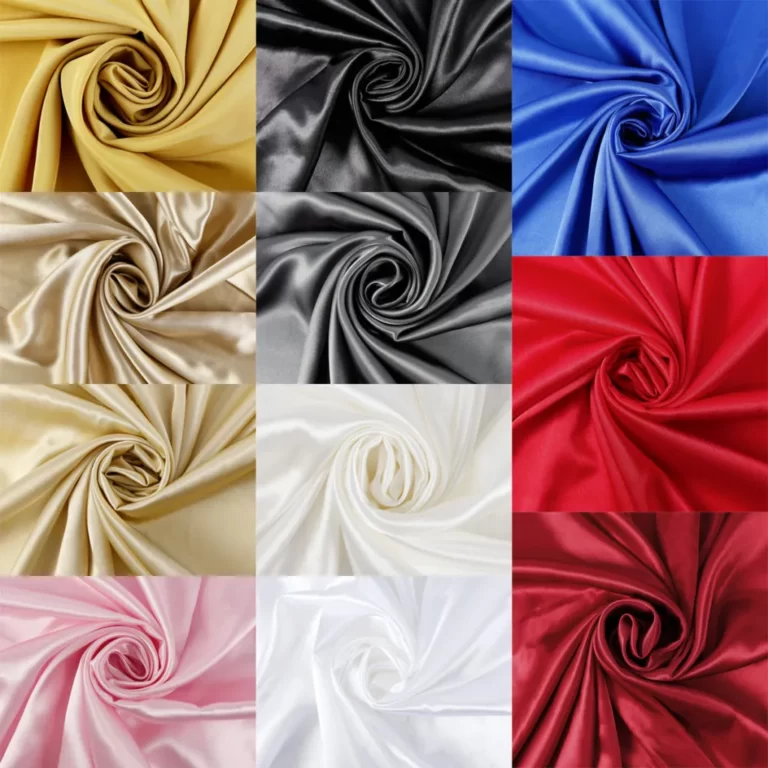
Look for manufacturers experienced with polyester fabric types like Jersey, Scuba, and Satin to ensure high-quality sublimation printing results.