
The Magic of DTF Powder: Black vs. White Explained

DTF powder comes in black and white varieties, each serving distinct purposes in fabric printing. You’ll find black powder works best on light fabrics with its fine, matte texture and easy application, while white powder excels on dark materials but requires more precise handling. Both types create durable, vibrant transfers when properly applied with heat pressing. Understanding these key differences will reveal your printing potential and help you achieve professional-quality results.
What is Black and White DTF Powder?
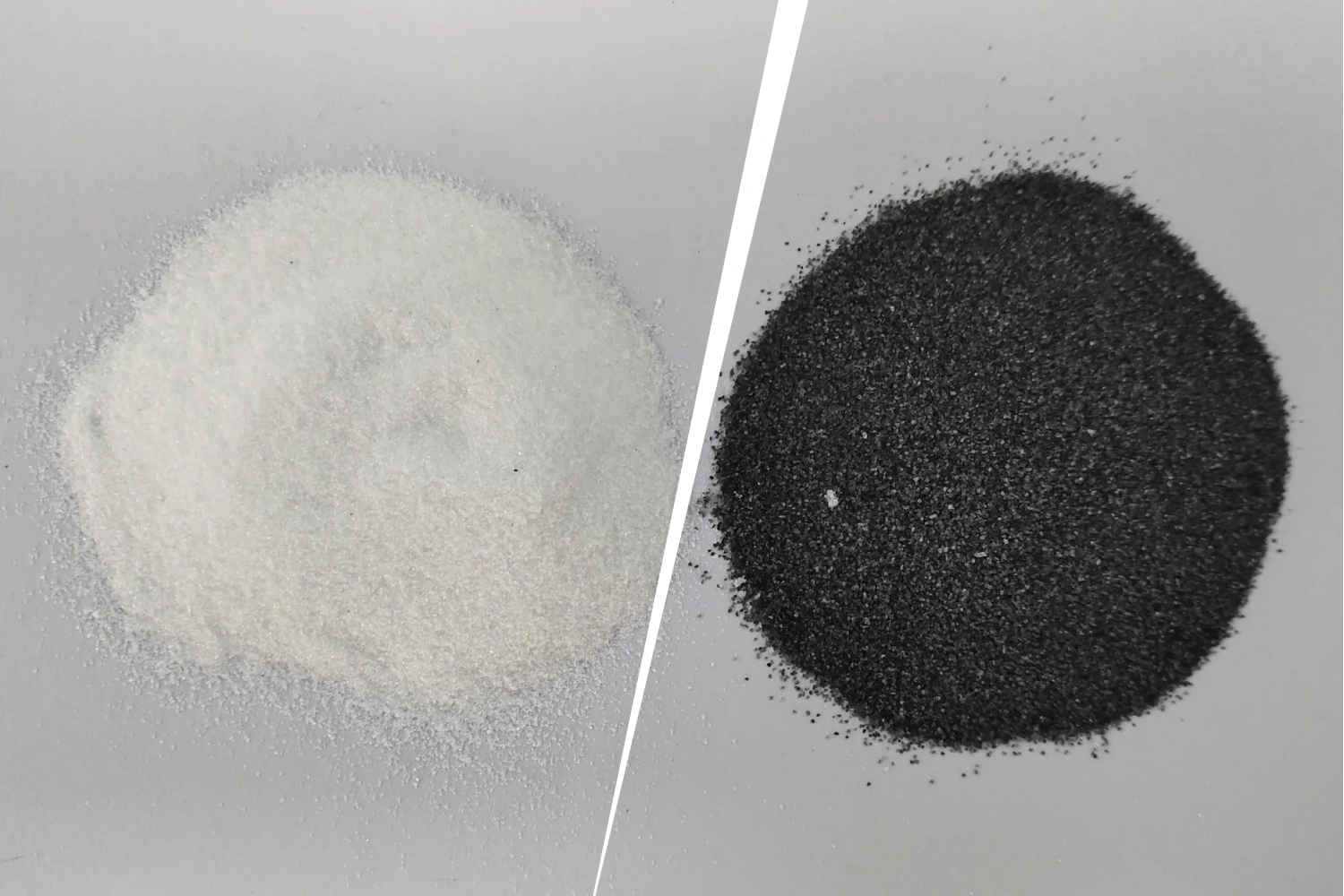
DTF powder is a specialized adhesive material that revolutionized fabric printing technology. Available in black and white varieties, it acts as the crucial bonding agent between printed designs and garments.
1. Color and Texture of the Powder
The DTF powder‘s color choice between black and white directly impacts your print quality and application process.
You’ll notice black DTF powder has a fine, matte texture that creates excellent opacity on light fabrics. It’s perfect when you’re aiming for vibrant prints on white or pale materials.
White DTF powder types feature a slightly coarser consistency. They’re essential for achieving crisp prints on dark fabrics and maintaining color vibrancy.
Both powder varieties share similar fabric compatibility characteristics. You’ll find they melt uniformly when properly heated, creating a smooth, durable finish.
The texture difference affects how you’ll handle each powder during application. Black flows more freely, while white requires a bit more attention to achieve even coverage.
2. Compatibility with Fabric Colors
When choosing between black and white DTF powder, fabric color plays an essential role in determining your selection. Your fabric’s shade directly impacts how well your dtf printing will show up.
For dark fabric printing, you’ll want to use white DTF powder. It creates a solid base layer that helps your colors pop against darker materials.
Black DTF powder works best with light fabric printing. You’ll get better fabric ink adhesion and more vibrant results on lighter-colored materials.
Think of it like painting – you’ll need a white primer for dark walls and a darker base for light surfaces. This guarantees your designs stand out beautifully.
3. Adhesion Strength
Understanding adhesion strength differences between black and white DTF powder helps determine which will work best for your specific printing needs.
White DTF adhesive powder typically offers stronger heat press adhesion on darker fabrics. You’ll notice superior bonding when applying adequate heat and pressure.
Black DTF powder excels with lighter materials while maintaining excellent print durability comparison ratings. It’s particularly effective for detailed designs requiring sharp contrast.
When choosing DTF powder, consider your fabric type and design complexity. White powder provides better coverage and adhesion on dark materials, while black powder offers improved definition on light substrates.
The key is matching your powder choice to your project requirements for best results.
Pros and Cons of Black and White DTF Powder
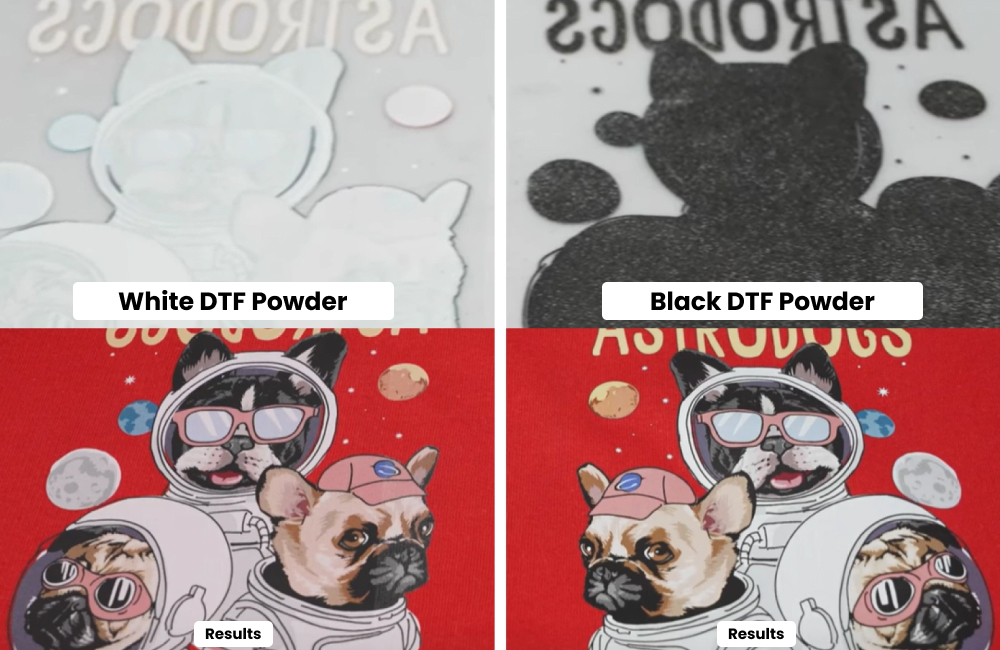
DTF powder comes in black and white variants, each offering distinct advantages for garment printing. The choice between these two powders can significantly impact your final results, making it crucial to understand their individual characteristics.
Advantages of White DTF Powder
Choosing between black and white DTF powder significantly impacts your print quality and material versatility. White DTF powder excels in professional DTF printing by creating vibrant designs on dark fabrics.
You’ll find white ink printing particularly valuable for garment customization on darker materials. The best DTF powder in white provides excellent opacity and washability.
When using DTF ink and powder in white, you’ll achieve superior coverage that makes colors pop. It’s especially effective for logos and intricate designs.
White powder creates a solid foundation layer that improves color vibrancy. This makes it ideal for professional-grade prints that demand excellent color reproduction.
You’ll experience better adhesion and durability with white powder across various fabric types. Modern DTF printer systems incorporate built-in white ink stirring mechanisms to ensure consistent application quality.
Disadvantages of White DTF Powder
While white DTF powder offers impressive benefits, it’s not without its drawbacks.
You’ll notice that high-quality DTF powder in white requires more precise temperature control during application. Even minor fluctuations can affect adhesion.
Storage becomes trickier with white DTF powder as it’s more sensitive to humidity and environmental conditions. You’ll need dedicated storage solutions.
When troubleshooting DTF print issues, white powder often demands more attention to detail in the curing process. It’s less forgiving than black variants.
Choosing DTF supplies wisely matters because white powder typically costs more than black options. This impacts your print shop supplies budget significantly.
White powder also shows contamination more easily, requiring stricter handling protocols.
For optimal results, ensure your DTF powder is compatible with water-based pigment inks that maintain color stability across different fabric types.
Advantages of Black DTF Powder
Black DTF powder stands out for its exceptional ease of use in textile printing applications. You’ll find it’s a game-changer for black ink printing projects.
When you’re working with premium DTF powders in black, you’ll notice superior ink bonding during the dtf transfer process. The powder adheres seamlessly to dark fabrics.
You can achieve crisp, clean transfers without worrying about white residue or powder visibility. The heat transfer powder blends perfectly with black designs.
Your prints will maintain their quality even after multiple washes. Black powder creates a more natural finish on dark garments.
There’s less waste since you won’t need to apply multiple layers. You’ll save time and materials in your production workflow.
Disadvantages of Black DTF Powder
Despite its advantages for dark garments, using black DTF powder comes with notable limitations you’ll need to take into account. The challenges can impact your textile printing business performance.
- Black DTF powder often requires more precise powder adhesion control compared to white powder, which can affect your high-quality textile printing consistency
- When used with black ink printing, the powder may create a slightly raised texture that’s more noticeable than with white powder
- Following your DTF printing guide becomes more critical, as black powder tends to show imperfections more prominently, especially in detailed designs
You’ll need to factor these limitations into your production planning and quality control processes.
Comparison Table: Black vs. White DTF Powder
Understanding the key differences between DTF powder types helps you make informed production choices. Let’s investigate how black and white DTF powders stack up for your professional textile printing needs.
| Characteristic | Black DTF Powder | White DTF Powder |
|---|---|---|
| Adhesion | Strong bond on light fabrics | Superior adhesion on all colors |
| Visibility | Best for light garments | Excellent for dark ink printing |
| Heat Press Settings | 160°C / 320°F | 165°C / 329°F |
| Cost Efficiency | Lower powder usage | Higher consumption rate |
| Print Transfer Quality | Good for basic designs | Superior detail retention |
You’ll find that choosing between these heat press powder options depends largely on your specific DTF printing for t-shirts requirements.
How to Use Black and White DTF Powder

DTF powder application requires careful attention to detail as you work with both black and white variants. You’ll find these powders essential for direct-to-film transfer success in custom apparel printing.
- Start by evenly spreading your chosen powder over the printed film while it’s still wet – white powder for light fabrics, black for dark textile printing
- Guarantee complete coverage using gentle, sweeping motions that prevent clumping and maintain consistent application
- Remove excess powder with a soft brush before heat pressing, creating perfect transfers that rival DTF vs. sublimation quality
Remember to store your powders in a dry environment to prevent moisture absorption.
Conclusion
Working with both black and white DTF powder opens up endless possibilities for your custom printing projects. You’ll find direct-to-film printing transforms how you approach garment printing with unmatched versatility.
Now that you’re familiar with these essential wholesale DTF supplies, you can confidently tackle any digital textile printing project that comes your way.
For optimal results, consider pairing your DTF process with a heat press machine that offers precise temperature control from 0-399°C and consistent pressure distribution.
Remember, DTF stands among the best fabric printing methods because it combines quality, efficiency, and adaptability. With proper powder application techniques in your arsenal, you’re well-equipped to create stunning designs that’ll set your business apart.
Start experimenting with both powders today and watch your printing capabilities soar.